Detailed Explanation of Key Grape Summer Management Techniques
Some vineyards experience many diseases in summer, mainly: grape downy mildew, white rot, anthracnose, etc. The occurrence of downy mildew can cause grape leaf drop, withered branches, rotten fruit, and even death. Therefore, Liu Zhongtang, an agronomist and fruit tree expert at the Wei County Agriculture and Animal Husbandry Bureau, reminded the broad community of fruit growers during technical training in the township that in the rainy summer season they should...
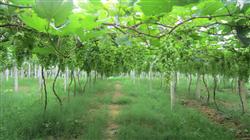
Some vineyards experience many diseases in summer, mainly:
Grape downy mildew, white rot, anthracnose, etc. The occurrence of downy mildew can cause grape leaf drop, withered branches, rotten fruit, and even death. Therefore, Liu Zhongtang, an agronomist and fruit tree expert at the Wei County Agriculture and Animal Husbandry Bureau, reminded the broad community of fruit growers during technical training in the township that in the rainy summer season they should strengthen vineyard management and promptly prevent and control diseases.
1. Cleaning the vineyard: If diseases occur in the vineyard, and there is a lot of rain at this time, the vineyard should be cleaned at any time, and diseased leaves, diseased branches, and diseased fruit in the vineyard should be removed from the vineyard and deeply buried or burned. At the same time, promptly remove weeds from the vineyard. When pruning diseased branches and diseased fruit, frequently clean the scissors and disinfect them to prevent cross-infection.
2. Loosening the soil: In the rainy seasons of summer and autumn, especially after heavy rain or torrential rain, rainwater will cause the vineyard soil surface to become compacted, resulting in poor soil aeration, which causes grape roots to lack oxygen, weakens the tree vigor, and reduces stress resistance, thereby making them susceptible to disease. Therefore, before rain or during breaks in the rain, promptly carry out one deeper intertillage of the soil to improve the permeability of the vineyard soil.
3. Treatment: During continuous overcast and rainy weather or high temperature and high humidity, grapes are most susceptible to disease. The vineyard should be comprehensively observed once every day, and as soon as disease is first seen, spray the appropriate pesticide immediately. For example, for downy mildew, if disease is found in any individual spot in the vineyard, even on just 1 grapevine, spray immediately.
4. Shoot thinning: Grapes should be pinched promptly, and lateral shoots should be removed promptly. At the same time, for plants with too many new shoots, part of them should be thinned out. This helps ventilation and light penetration and improves stress resistance.
5. Fertilization: Excessive rainwater often causes the loss of orchard fertility, leading to weakened tree vigor and reduced stress resistance. Therefore, in the rainy season, fertilizer should be applied at the appropriate time according to the loss of soil fertility in the vineyard and the growth of the grapes. Fertilization should follow the principle of "eat less, eat more often," applying fertilizer in small amounts and frequently; foliar topdressing is generally carried out together with pesticide spraying, and it is best to spray a high-efficiency fruit foliar fertilizer separately.