Post-harvest management of apricot trees must keep pace; these key points are essential
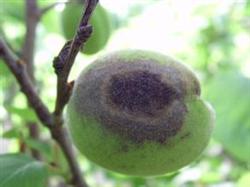
Symptoms Apricot brown rot has two symptom types. One affects nearly ripe fruit, initially forming dark brown, slightly sunken round lesions, which then rapidly expand, soften and rot, covered with yellowish-brown velvety granules, arranged in whorls or irregularly; affected fruit mostly drops early or rots, with a few hanging on the tree to form mummified fruit. The other affects fruit...
 Shaping and pruning After harvest, pull down and spread the angle of young vigorous branches, and continue pinch-pruning new shoots for a second time. In addition, prune out diseased and pest-infested branches, crossing branches, thin and weak branches, and water sprouts within the canopy to reduce nutrient consumption of the tree.
Pest and disease control After harvest, spray pesticides at the appropriate time to control pests and diseases. Mainly control slug moths, scale insects, fruit borers and red-necked longhorn beetles. When apricot shot-hole disease is found on leaves, prune them off promptly, and spray fungicides if necessary.
Water and fertilizer management After harvest, apply a compound fertilizer of nitrogen, phosphorus and potassium once. Combine with pesticide spraying for foliar feeding, spraying a mixture of 0.3% monopotassium phosphate + 0.2% urea to increase the tree's nutrient accumulation.
Deep plowing and soil improvement After harvesting apricots, cultivate the entire orchard, and deep plow in combination with fertilization. Through deep plowing, the soil structure can be improved, root growth promoted, cold resistance enhanced, and the overwintering population of pests reduced.