What are the management techniques for coriander after the Start of Autumn?
Characteristics and control methods: It occurs mostly in low-lying, humid plots. After the coriander root system is affected, the main root turns yellow-brown or brown, soft and rotting, with no or almost no fibrous roots. When pulled by hand, the plant's root system breaks off. Above ground, the plant appears stunted, the leaves turn yellow and withered, and it loses its marketability. The control method is to avoid as much as possible planting in low...
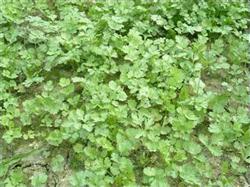 After the Start of Autumn, open-field coriander cultivation enters its peak season. Coriander: current management focuses on the "three preventions"
Preventing bolting: For coriander grown in open fields in summer and autumn, although it will not bolt because of low temperatures during the seedling stage, it will bolt because of the long daylight hours (conditions) in summer and autumn. This requires selecting coriander varieties resistant to bolting in production. In addition, strengthen fertilizer and water management (during the entire growth period of coriander, it is advisable to apply small amounts of water and spray Vegetable Strong Stem Spirit 5-7 times; for the first three waterings, water and spray Vegetable Strong Stem Spirit once about every 10 days, and from the fourth watering onward, water and spray Vegetable Strong Stem Spirit once every 6-7 days. At the first watering, lightly apply a seedling-promoting fertilizer, about 10 kg of urea per mu, and thereafter apply urea once after every 2-3 waterings, 10-12.5 kg per mu), and spray New High Lipid Film 800-fold solution once, which can reduce the occurrence of bolting.
Preventing "red stems": Coriander "red stems" means that the stem and leaf parts of coriander turn from green to red, reducing the market value of coriander and halving the purchase price. For coriander grown in open fields in summer and autumn, its stems and leaves will turn red under strong light, especially when thinning is done too late (plant height exceeding 8 cm). To prevent the appearance of "red stems" in coriander, first, thin early, and spray New High Lipid Film once after each thinning. In production, it is advisable to thin when the seedlings grow to 3 cm tall, and keep the plant spacing after thinning at about 2 cm; second, cover with shade netting. Farmers with the conditions can, after sowing, build a frame 80-100 cm high and cover it with a layer of shade netting.
Preventing rainwater: In summer and autumn, there is more rain, which is very harmful to coriander seedlings shortly after they emerge. After heavy rain, if it suddenly clears, it is very easy to cause coriander heart rot. After the rain, lightly water once with well water, in an amount that does not submerge the seedlings, and spray New High Lipid Film once, which can prevent coriander heart rot.
During these three preventions, timely use of Vegetable Strong Stem Spirit and New High Lipid Film can make plant stems thick and strong, leaves thick and plump, leaf color fresh and tender, and plants luxuriant, with a rich natural taste. At the same time, it can improve disaster resistance, reduce the use of pesticides and chemical fertilizers, and lower residual toxicity.