Detailed Explanation of Key Points of Late-Stage Cultivation and Management Techniques for Citrus
After citrus fruits are harvested, soaking them in a New High-Lipid Film solution has a good preventive and control effect on blue mold, green mold, anthracnose, stem-end rot, black rot and other diseases during the storage period of citrus. At the same time, it can prevent water evaporation, prevent pathogen infection, resist freezing and preserve heat, does not affect the crop's water absorption, air permeability or light transmission, protects the crop from infection by external diseases, and extends freshness...
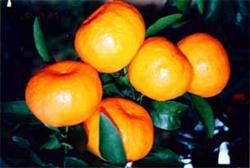 This is currently the critical period for citrus fruit expansion, internal quality enrichment and sugar increase. Scientifically managing the late stage well can greatly improve quality and yield, thereby enhancing the competitiveness of the fruit and increasing the income of fruit growers.
Increasing Light
Light is one of the basic conditions for light energy to be converted into chemical energy, namely carbohydrates, under the action of chlorophyll. Strong light means strong photosynthesis, high sugar content in the fruit and greater sweetness. For example, fruit at the top of the tree has smooth peel, bright color and rich, sweet flavor. Conversely, it is low-quality fruit that tastes sour and bland. The annual sunshine hours required for citrus growth and development are 1250-1400 hours or more. The annual sunshine hours in the Sichuan Basin are generally 1250 hours, which basically meets the sunshine-hour requirements of citrus. If continuous autumn rain occurs in September-October, light will be insufficient, greatly affecting photosynthesis, reducing sweetness, making flavor bland, raising acidity and lowering quality. Enhancing light can improve the quality and yield of citrus.
1. Moderate pruning. For overly dense citrus orchards, moderate pruning can be carried out at present to thin out excessively vigorous large branches that block light, crossing branches, shaded branches and drooping branches. Increasing ventilation and light penetration in the tree canopy increases light intensity, which can improve the internal quality of the fruit and enhance peel smoothness and color.
2. Laying reflective film. Reflective film is a kind of plastic mulch specially used to enhance light. The Sichuan Basin has about 100-300 hours less light than citrus-producing areas such as Guangdong, Guangxi and Jiangxi. Therefore, if continuous rain occurs in September-October, silver reflective film should be laid on the ground to enhance light intensity and duration, increase the sugar content of the fruit and increase single-fruit weight.
Water Control
Continuous autumn rain generally tends to occur in September-October. This is extremely unfavorable for increasing fruit sugar content, so water control should be carried out and the orchard soil should be kept appropriately dry, which is beneficial for improving fruit quality.
1. Deep ditch drainage. Drainage should be achieved with one ditch per row, with ditch width 45 cm and ditch depth 45 cm. During this period, keep the ditches free of weeds and collapsed mud at all times so that drainage is smooth, there is no standing water in the beds, and the groundwater level is below 40 cm, maintaining good root respiration.
2. Mulching for drainage. During continuous rain in September-October, film can be laid on the bed surfaces and in the ditches for drainage. In particular, laying reflective film on the bed surfaces and ordinary film in the ditches is extremely beneficial for maintaining moderate soil moisture and cultivating high-quality fruit. After the fruit is harvested, the plastic film should be collected promptly for use over many years.
Fertilization
For orchards with insufficient fertilization in July-August, especially insufficient organic fertilizer, one additional fertilization can be applied as appropriate, so that the leaves are deep green and photosynthesis is strong, and increasing phosphate fertilizer raises fruit sugar. Ground fertilization: apply 1 carrying pole of biogas fertilizer or pig manure fertilizer per plant, especially applying decomposed oil cake fertilizer, which has a relatively good effect on improving quality; foliar fertilization: spray the leaves 1-2 times with a mixed solution of ammonium molybdate and boric acid at a concentration of 0.1% each, which is greatly beneficial for improving fruit quality.
Pest Control
Fruit-piercing noctuid moths cause damage in September-October. They pierce the fruit with their needle-like mouthparts to suck fluids. After damage, there is a small hole on the outside, which ultimately causes the fruit to rot. In hilly orchards with relatively severe damage, the fruit damage rate can reach 20-30%, causing serious yield reduction. Using pyrethroid pesticides such as "Decis" or "Sumicidin" plus "New High-Lipid Film" for enhanced control gives a relatively good effect, but no pesticide may be used within 20-30 days before harvest.