-
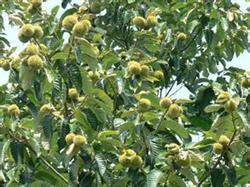
Key Technical Points and Precautions for Summer Fertilization of Chinese Chestnut
To improve the yield and quality of Chinese chestnut, the chestnut trees should be fertilized in summer. There are mainly two fertilization methods: the soil fertilization method: for chestnut orchards with thin, poor soil and a severe lack of fertilizer, the soil fertilization method gives better results. Dig a circular ring trench within the drip line of the chestnut tree canopy for fertilization, with a trench width of 25 cm and a depth of 2...
-
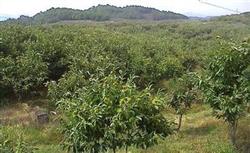
Detailed Explanation of Key Points on Chestnut Cultivation and Management Techniques
Chestnut is a well-known excellent dried fruit tree species of the Fagaceae family. The people of our country have a cultivation history of several thousand years and have accumulated rich experience. It occupies an important position in the economic life of our people. Chestnuts are rich in nutrition and delicious in taste. They can be eaten fresh, stir-fried, boiled, and made into various pastries and dishes. They have the characteristics of being sweet, fragrant, and glutinous...
-
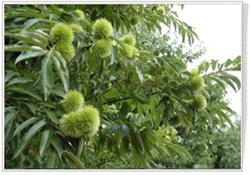
How to Grow Chestnuts for High Yield? A Comprehensive Guide to Cultivation Techniques
I. Close Planting. Reasonable close planting not only increases early yields and delivers economic returns as quickly as possible, but also facilitates intensive management of the orchard. Planting density: the spacing between plants and rows is generally 2m x 4m, 3m x 4m or 3m x 5m; the specific density should be determined by the characteristics of the rootstock, the characteristics of the scion, or the site conditions. The investment in establishing the orchard can be recovered within 6 years after planting...
-
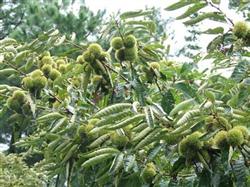
Detailed Explanation of Key Techniques for High-Yield Chestnut Planting
To achieve a high chestnut yield the following year, it is essential to break the practice of only harvesting chestnuts without any management, otherwise the yield and quality of chestnuts in the following year will be affected. Especially for chestnut trees in full bearing period, post-harvest management must be done well, with focus on the following four points. 1. Winter pruning: the winter pruning date for chestnut trees should be arranged in mid-December...
-
A Complete Guide to Fertilization Techniques and Key Points for Chestnut Orchards
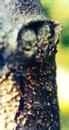
Chestnut blight, also known as chestnut canker, trunk blight, or chestnut bark disease, is a major disease of chestnut trees. It mainly affects the trunk and main branches, often causing the trunk and main branches to rot until the entire tree dies. The chestnut blight pathogen mainly overwinters in diseased branches as mycelium, pycnidia, and perithecia, while conidia and ascosp...
-
What are the control methods for chestnut spider mites?
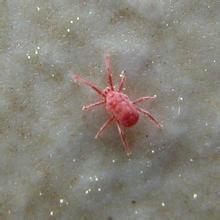
The chestnut spider mite, also known as the conifer small claw mite, damages chestnut leaves, causing them to lose chlorophyll and develop small yellowish-white spots; in severe cases the leaves scorch and turn brown, resulting in reduced yield. It overwinters as winter eggs laid on the leaf scars, rough bark crevices and branching points on the underside of 1- to 4-year-old branches, and begins hatching in late April to early May of the following year, which coincides with the chestnut bud-break period...
-
Detailed Explanation of Key Points for Pollution-Free Chestnut Cultivation Techniques
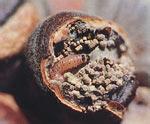
The larvae of the peach fruit borer in chestnuts bore into the nuts, filling the kernels with frass and making them unfit to eat, and also causing fruit drop, greatly affecting both yield and quality. Its hosts also include peach, plum, pear, sunflower, corn stalks, and others. Control methods: 1. Pick up fallen fruit, remove infested fruit, and destroy them. 2. Chemical control. Master the...
-
What are the damage symptoms of chestnut blight?
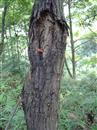
Damage symptoms of chestnut blight: The pathogen produces discolored lesions on smooth bark, round or irregular in shape; on rough bark, the lesion margins are indistinct, and as they continue to expand, the bark splits longitudinally. In spring, many orange-yellow warty stromata can be seen on the affected bark. After autumn, the stromata turn orange-red to dark red...
-
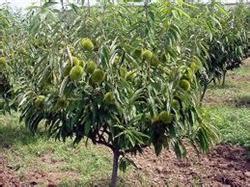
Detailed Explanation of Key Techniques for Early High Yield in Young Chestnut Trees
1 Technical Measures to Promote Female Flower Formation 1) Watering in early spring. The 3 weeks before bud break is the period of female flower morphological differentiation; meeting the tree's water needs makes the fruiting branches thick and strong with many buds, laying the foundation for the next step of female flower bud formation. 2) Foliar topdressing. When the basal leaves have just unfolded and are turning from yellow to green, spray once with a 1000-fold dilution of PP200...
-
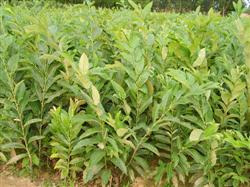
Key Technical Points for Spring Irrigation and Moisture Conservation in Chestnut Orchards
Chestnut (Castanea mollissima) is a deciduous tree and one of the woody grain tree species, with a long lifespan, known as the "iron-stemmed crop." The chestnut fruit is nutritious and delicious, and can serve as a substitute for grain; all parts of the chestnut tree can be used medicinally, and tannin extract can also be obtained from the bark, branches and leaves, and the pith of the wood, while the leaves can also be used to raise camphor silkworms and oak silkworms. Chestnut wood is hard, with straight grain, moisture-resistant and rot-resistant...
条件筛选