What are the control methods for chestnut spider mites?
The chestnut spider mite, also known as the conifer small claw mite, damages chestnut leaves, causing them to lose chlorophyll and develop small yellowish-white spots; in severe cases the leaves scorch and turn brown, resulting in reduced yield. It overwinters as winter eggs laid on the leaf scars, rough bark crevices and branching points on the underside of 1- to 4-year-old branches, and begins hatching in late April to early May of the following year, which coincides with the chestnut bud-break period...
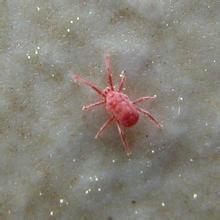
The chestnut spider mite, also known as the conifer small claw mite, damages chestnut leaves, causing them to lose chlorophyll and develop small yellowish-white spots; in severe cases the leaves scorch and turn brown, resulting in reduced yield. It overwinters as winter eggs laid on the leaf scars, rough bark crevices and branching points on the underside of 1- to 4-year-old branches, and begins hatching in late April to early May of the following year, which coincides with the chestnut bud-break period. In mid-May the young mites crawl onto the new leaves to cause damage. The spider mite produces 4 to 9 generations a year, with the mite stages from the second to the fifth generation causing the most severe damage, generally between June and July. The suitable temperature is 24-25 degrees Celsius. In hot and dry years, outbreaks occur earlier and are more severe, and infestations occur earlier and are more severe in chestnut orchards on sunny slopes than in those on shady slopes.
Control methods: In May, scrape a 5-10 cm ring of rough bark from the trunk; on the exposed tender bark, apply 40% omethoate emulsifiable concentrate diluted 2-5 times onto the trunk, then wrap it with plastic film. Alternatively, from late May to late June, spray the leaves with 20% amitraz emulsifiable concentrate diluted 2000 times or 20% dicofol emulsifiable concentrate diluted 1000 times.