-
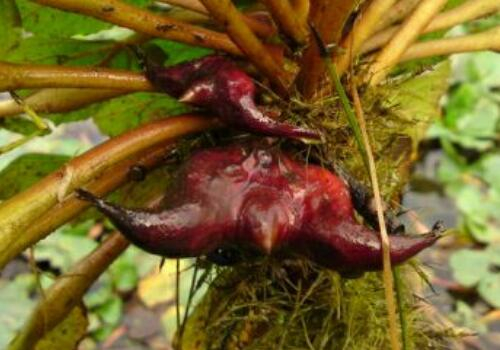
Water chestnut (water caltrop) cultivation methods in greenhouses, harvesting time and yield per mu
Water chestnut, also known as water chestnut fruit or water caltrop, is a common aquatic plant in southern China. Because it can be eaten as a fruit when young and tender and processed into water chestnut starch when mature, it is widely cultivated. At present, many regions are also trying to grow it in greenhouses.
-
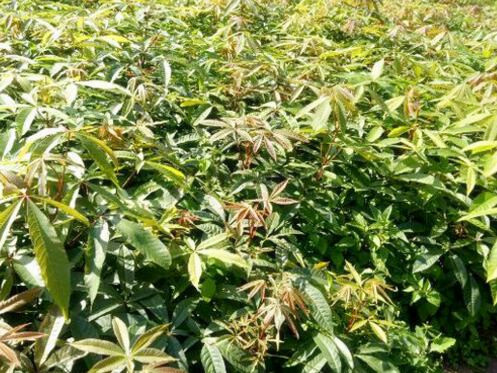
How much does a horse chestnut tree cost? Full analysis of planting methods and medicinal effects
The horse chestnut tree has a graceful shape, large and beautiful flowers, and peculiar fruit shapes. It is a rare tree species for foliage, flowers, and fruit viewing, and is one of the world's famous ornamental tree species. So, how much does a horse chestnut tree cost? How do you plant it? What effects and functions does it have? It is understood that a horse chestnut tree of 5cm costs 65 yuan
-
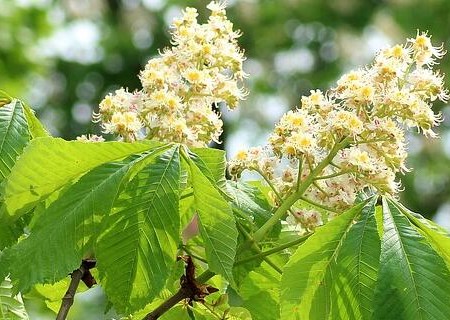
How to Grow Horse Chestnut Seeds and Its Prospects, and How It Differs from the Bodhi Tree
The horse chestnut is a deciduous tree reaching up to 25 m tall. Its seeds are edible, but eaten raw they taste bitter and astringent; they must be boiled in alkaline water before eating, after which they taste like chestnuts. Starch can also be extracted from them. Do you know what methods there are for growing horse chestnut seeds? What are the prospects? And how does it differ from the bodhi tree? Its wood is fine and dense and can be used to make all kinds of implements.
-
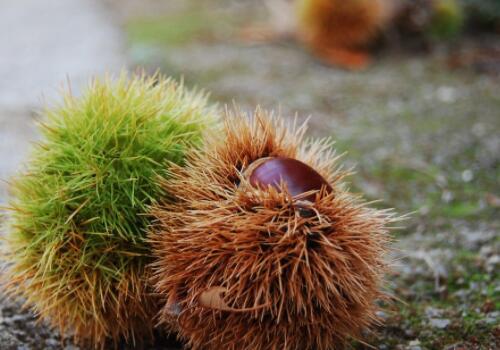
When Does a Chestnut Tree Bloom, Bear Fruit, and How to Harvest It, Where Is It Suitable to Grow, and What Excellent Varieties Are There
The chestnut tree is a tree up to 20 m tall, and its fruit has long been known as the "king of dried fruits"; it is also called kuili, maoli, fengli, and zhuili, and is widely cultivated. So when does the chestnut tree bloom and bear fruit, and when is it harvested? Where is it suitable to grow? What excellent varieties are there? What trees can be used for grafting? Learned from the Hubei termination base
-
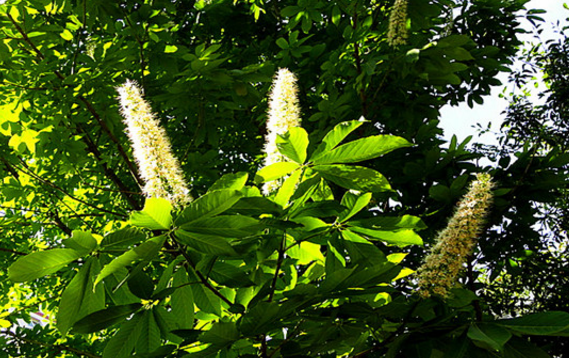
How to grow a horse chestnut? Care tips and general price guide
The horse chestnut is a deciduous tree. Its wood is fine and beautiful and can be made into many kinds of utensils, and its seeds can be used as medicine, soap and more. It is highly valuable and also a large ornamental plant. You might even see one by the roadside.
-
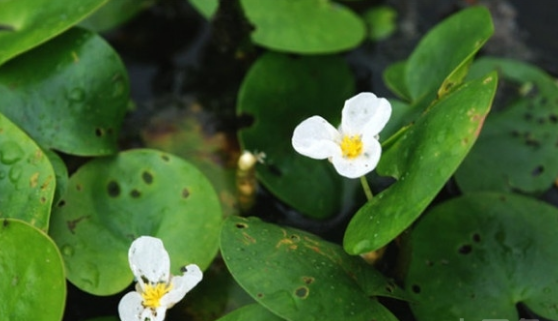
A Detailed Guide to the Benefits and Uses of Water Chestnut Herb and Its Cultivation and Propagation Methods
The plant known as Ma Niao Hua is also widely called water chestnut (Hydrocharis dubia). This plant mainly grows on the water surface, and its overall shape is flat and round, looking somewhat like a lotus leaf from the outside. Ma Niao Hua is mainly distributed in East China, South China, and Southwest China, and it is suited to growing in places with relatively abundant sunlight.
-

Detailed Explanation of the Processing Technology and Production Method of Chestnut Fruit Tea
(I) Overview The chestnut is a famous and high-quality dried fruit in China, rich in nutrients. The chestnut kernel has a high content of amylopectin, with a fine, powdery texture. Eaten raw or cooked, it is sweet, glutinous, fragrant and crisp, with an excellent flavor, and is deeply loved by people. The chestnut also has considerable medicinal and health-promoting effects. According to the ancient text "Dian Nan Ben Cao" (Materia Medica of Yunnan), the chestnut is sweet and warm in nature and flavor, and has the effects of benefiting qi, strengthening the stomach and intestines, tonifying the kidney, strengthening the tendons, and invigorating blood circulation. (II) Raw Materials and Formula Chestnut: 15%; carrot: 3%; granulated sugar: 4%; milk powder: 2.5%; ethyl maltol:
-
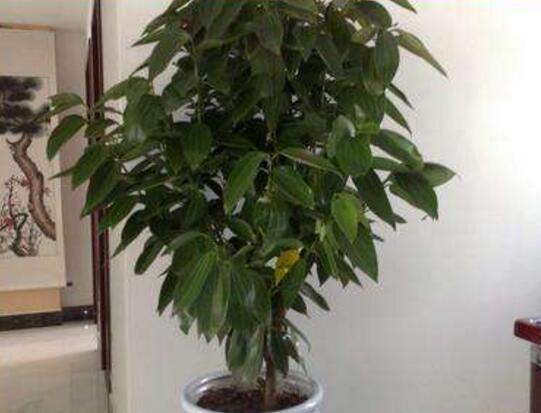
How to prune the Malabar chestnut? Pruning methods and tips after repotting
As an ornamental plant, the Malabar chestnut's greatest feature lies in its evergreen leaves, but after a period of time, its luxuriant branches and leaves may also affect its appearance, so we need to prune it
-
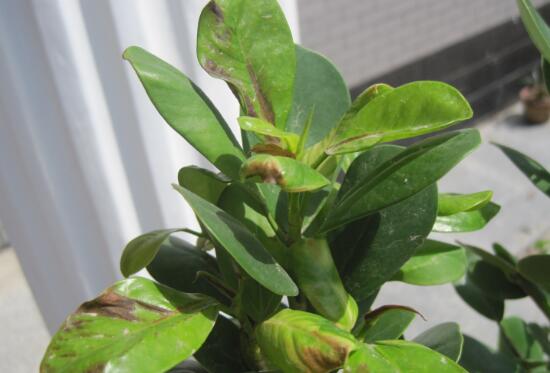
What to do when the leaves of a Malabar chestnut (Pachira aquatica) turn yellow? Watch out for these 5 points; improper water and fertilizer are the key
As a plant that symbolizes wealth and has a remarkable appearance, the Malabar chestnut should be familiar to gardening enthusiasts. It stays green all year round, with broad, glossy leaves and excellent ornamental value. However, during cultivation, because there are many beginners, they often cause yellowing leaves due to improper care, which affects the plant's ornamental value
-
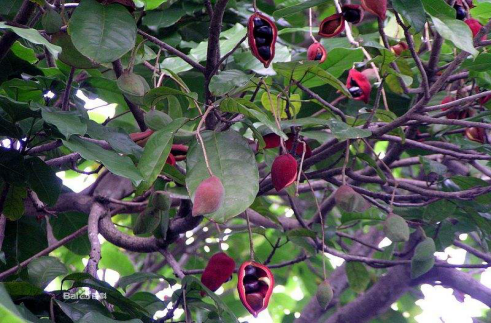
Detailed Explanation of Propagation Methods and Techniques for the Chinese Chestnut (Sterculia monosperma)
Seed propagation: This is one of the simplest propagation methods, but it requires a certain amount of time to mature. First, wait for the Chinese chestnut (Sterculia monosperma) to mature, then remove it; take care with seed storage, and before sowing, do not expose the seeds to the sun, keep them moist, prepare the soil first, then harvest, and finally scatter the seeds into the soil.
条件筛选