-
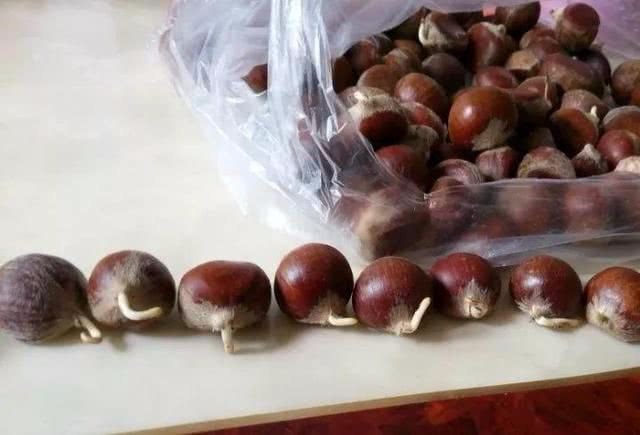
How to grow chestnuts as potted plants? Soil cultivation and water cultivation both look good and you can eat them too
The "grow what you eat" series. Autumn is a beautiful sight, with fallen leaves everywhere, and of course all kinds of food you like. Sweet potatoes, chestnuts, radishes, and cabbage are all in season. So freshly picked ones are the best for planting!...
-
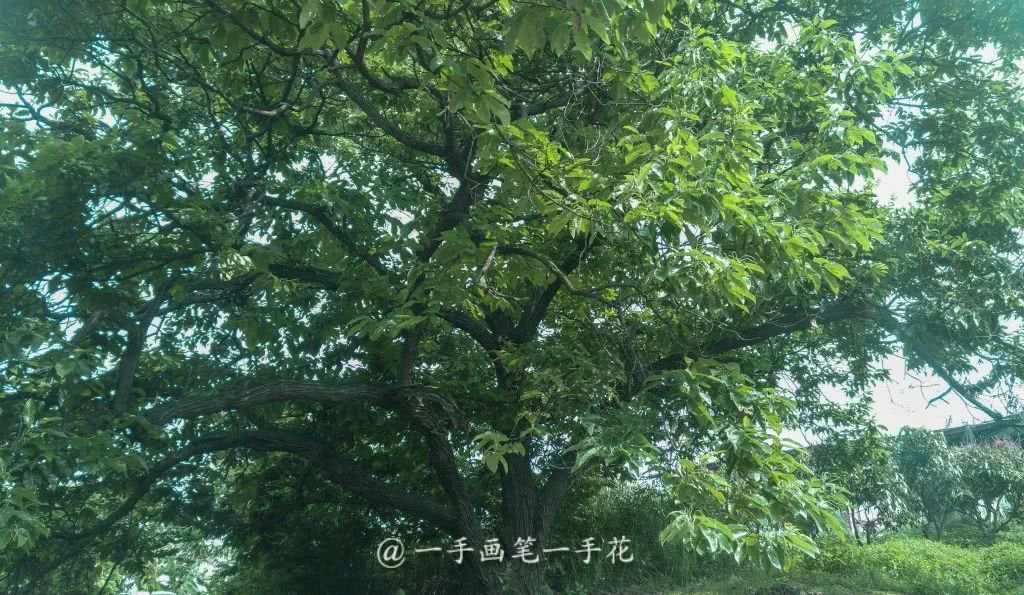
Chestnuts are ripe and falling all over the ground, it is the perfect season for harvesting
About the author: One Hand Brush One Hand Flower: Landscape architecture major, has deeply loved plants and nature since childhood, hopes to always work in plant-related fields, in this world only beautiful flowers and delicious food cannot be let down, Weibo @One Hand Brush One Hand Flower The weather has turned cold, passing by a sugar...
-

Orchid Growing Tips for Beginners: Key Points of Growing Orchids with Chestnut Leaf Mold
Orchids are flowers with very high ornamental value, but growing them is not simple, especially for beginner orchid growers with potted orchids, orchid cultivation is very difficult
-

Key Cultivation Management and Pest and Disease Control Points for Horse Chestnut in the Longnan Mountain Area of Hui County
Horse chestnut can also be called "suoluo tree," "tianshi chestnut," "kaixin guo," and "monkey chestnut." Its flowering period is from April to May, and its fruiting period is in October. Horse chestnut can be used for ornamental purposes and can also be made into various utensils. Moreover, the seeds can be eaten directly or used medicinally, and after the seeds are pressed for oil, the oil can also be made into soap. In short, it has many uses.
-

What are the precautions for planting water chestnuts? Keep these points in mind
Precautions for planting water chestnuts
-
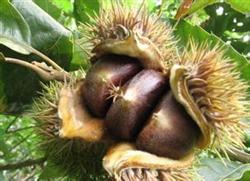
How to prevent and control empty burs in chestnut? These methods are very practical
Chestnut "empty burs" is also called "empty bur", and the empty bur rate can reach 30%-90%, affecting chestnut yield. The main causes of empty burs in chestnut are: (1) poor pollination and fertilization during the chestnut flowering period. (2) boron deficiency and available phosphorus deficiency in the soil. (3) the influence of other factors. First, variety: different varieties have different numbers of female and male inflorescences and consume different nutrients, so the empty bur rate also differs. The...
-
Detailed Explanation of Key Management Techniques for Chestnut Trees After Fruit Harvest
(1) Disease Control 1. Dieback Disease Dieback disease, also known as chestnut blight, chestnut trunk blight, or chestnut bark rot, is a fungal disease. The pathogen mostly invades through wounds, mainly damaging the trunk and branches. It is not easy to detect in the early stages. When lightly scraping the bark with a small knife, small reddish-brown spots can be seen. After the spots merge into patches, the bark surface becomes raised...
-
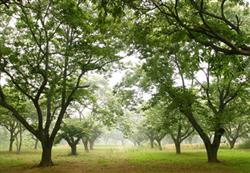
Chestnut trees should be supplemented with zinc and boron fertilizer promptly after harvest
At present, the yield of most chestnut orchards is not high, with only 4-5 kg per tree. Many bearing chestnut trees have burrs but no nuts (that is, empty burrs). The reason, apart from extensive management, is largely related to the failure to apply or spray zinc and boron. Practice has proven that supplementing with soil application and foliar spraying of zinc and boron micro-fertilizers after chestnut harvest promotes flowering, differentiation, improves flower quality, and ensures...
-
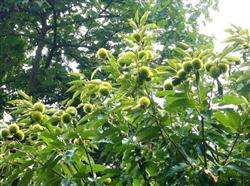
Technical points for supplementary application of micronutrient fertilizers after chestnut harvest
The main cause of low yields and high rates of empty burrs in chestnut orchards is the failure to apply or spray boron micronutrient fertilizer during management. When the soil available boron content is lower than 0.5 parts per million, it affects the normal fertilization process of chestnut, causing early embryo development to stall, thereby forming empty burrs. In production, one can seize the period after harvest...
-
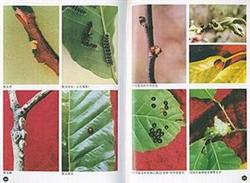
How to prevent and control chestnut pests? A detailed guide to practical control methods
1. Chestnut gall wasp The chestnut gall wasp, also called the chestnut tumor wasp, has a dark brown head and abdomen in the adult stage, filiform brown antennae, and a swollen, jet-black thorax. It lays eggs inside buds from June to July, and the larvae grow and overwinter inside the buds. In spring, when the buds sprout and produce short shoots, the affected branches or leaf stalks swell into galls (tumors), causing the branches and leaves to wither and die and weakening the tree...
条件筛选