-

-
-
How to grow a horse chestnut? Remember these care tips
Pests and diseases During cultivation, be sure to pay attention to pests and diseases of the horse chestnut. Common pests of the horse chestnut include: the greenish prominent moth, the copper-green chafer, the gold-haired caterpillar, the mulberry longhorn beetle, and others. Pay attention to prevention and control. Pruning Be sure to prune the horse chestnut. Carry it out in winter after the horse chestnut drops its leaves or before budding in spring. Cut back long branches.
-
How to grow a horse chestnut tree? Detailed growing methods and daily care
Light and temperature The cultivation of the horse chestnut should follow its growth habits. First, growing a horse chestnut requires plenty of light, so place the horse chestnut in a sunny spot. The horse chestnut needs fertile, deep, well-drained soil for its growth, and the growing temperature must be kept warm. Of course, the horse chestnut is also cold-resistant.
-
A Detailed Guide to Planting Horse Chestnut Seeds
March to April 1. Its seeds do not store well; if dried, they easily lose viability, so after the seeds mature, it is best to collect them promptly and sow them immediately (the sowing method is the same as for fresh sowing). 2. Whether sown in autumn or spring, the seedbed surface must be kept moist during the seedling emergence period. Once the seedlings emerge, promptly remove the covering of grass.
-
How to grow horse chestnut seeds? Master the key points of sowing immediately after harvest and four-season management
Horse chestnut seeds do not store well and are best sown immediately after harvest. This article introduces the harvesting and handling of horse chestnut seeds, sowing and seedling raising methods, shading, water and fertilizer management at the seedling stage, as well as cultivation techniques such as watering, fertilizing and pruning after transplanting, to help you grow strong horse chestnut seedlings.
-
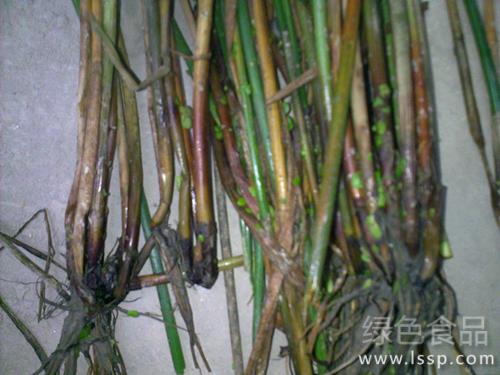
The stems and leaves of water chestnut dry up and turn yellow, and the plants die. How can stem blight be prevented and controlled?
Prevention and control methods for water chestnut stem blight, which causes stems and leaves to dry up, turn yellow, and the plants to die
-
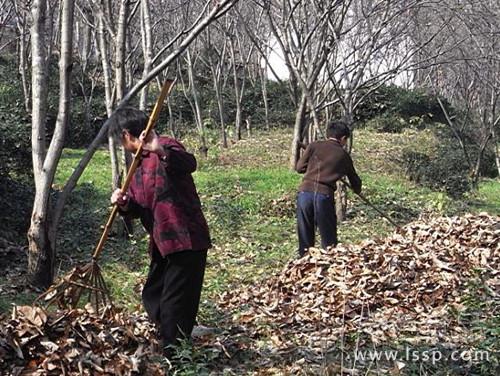
Five key points for winter management of chestnut orchards: clean the orchard, deep plough, fertilize, prune, and control pests
Cleaning the orchard, deep ploughing, fertilizing, pruning, and pest control: key points for winter management of chestnut orchards
-

Detailed Explanation of Key Points of High-Yield Water Chestnut Planting Techniques
High-Yield Water Chestnut Planting Techniques
-

How much do water chestnut seeds cost? A detailed guide to growing methods
Water chestnut seed prices and growing methods
条件筛选