-

How to Grow Chestnut Pumpkin: Do Pumpkins Need Pollination? Controlling Pumpkin Powdery Mildew
To grow chestnut pumpkin, the seeds must first be sterilized, then kept warm to promote sprouting, then placed in a seedling pot filled with potting soil. Once the cotyledons and two true leaves have grown, they can be transplanted. They sprout in one week; plant them into a seedling pot, and after another week or so, transplant them into
-
What Is the Water Chestnut? A Detailed Guide to Water Chestnut Cultivation and Deep-Water Planting Methods
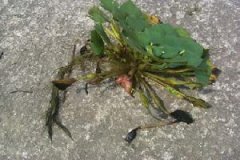
Water Chestnut Planting Site Selection The water chestnut, also known as ling, belongs to the genus Trapa in the family Trapaceae and is an annual aquatic crop. The water chestnut is suited to surviving in hot, humid swamp or paddy field environments. So how exactly is it planted? Let's take a look together and try growing it yourself! Water Chestnut Cultivation
-
How to grow a horse chestnut? Care tips and general price guide
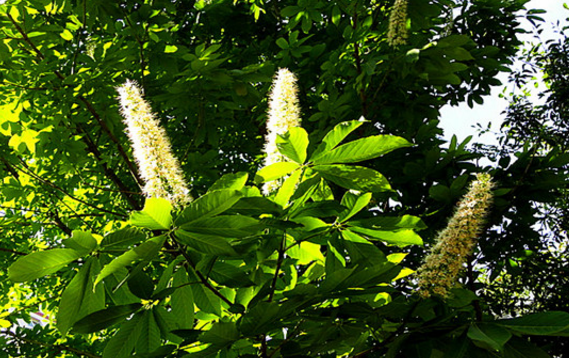
The horse chestnut is a deciduous tree. Its wood is fine and beautiful and can be made into many kinds of utensils, and its seeds can be used as medicine, soap and more. It is highly valuable and also a large ornamental plant. You might even see one by the roadside.
-
A Detailed Guide to the Benefits and Uses of Water Chestnut Herb and Its Cultivation and Propagation Methods
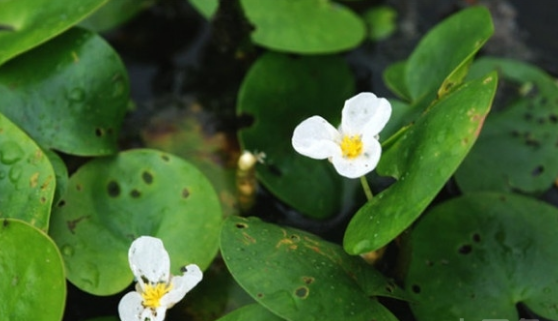
The plant known as Ma Niao Hua is also widely called water chestnut (Hydrocharis dubia). This plant mainly grows on the water surface, and its overall shape is flat and round, looking somewhat like a lotus leaf from the outside. Ma Niao Hua is mainly distributed in East China, South China, and Southwest China, and it is suited to growing in places with relatively abundant sunlight.
-
Detailed Explanation of the Processing Technology and Production Method of Chestnut Fruit Tea
(I) Overview The chestnut is a famous and high-quality dried fruit in China, rich in nutrients. The chestnut kernel has a high content of amylopectin, with a fine, powdery texture. Eaten raw or cooked, it is sweet, glutinous, fragrant and crisp, with an excellent flavor, and is deeply loved by people. The chestnut also has considerable medicinal and health-promoting effects. According to the ancient text "Dian Nan Ben Cao" (Materia Medica of Yunnan), the chestnut is sweet and warm in nature and flavor, and has the effects of benefiting qi, strengthening the stomach and intestines, tonifying the kidney, strengthening the tendons, and invigorating blood circulation. (II) Raw Materials and Formula Chestnut: 15%; carrot: 3%; granulated sugar: 4%; milk powder: 2.5%; ethyl maltol:
-
Recipe for Clear-Stewed Soft-Shelled Turtle with Water Chestnut: clear soup, fresh flavor, delicate and tender meat
Features: The broth is clear and mellow, the meat is tender and falling apart, the skirt is smooth, and it is rich, fresh and fragrant. Ingredients: 1 soft-shelled turtle (about 750 g), 1 ham bone, 100 g ham meat, 10 g each of scallion knot, ginger slices, rock sugar, and cooked lard, 1 g refined salt, 25 g Shaoxing wine, 1 g white pepper, 750 g clear chicken broth. Preparation: 1. Slaughter the soft-shelled turtle, blanch it in boiling water, peel off the outer membrane, cut open along the shell with a knife, lift off the shell, remove the innards (keep the turtle shell), and chop into pieces about 3.5 cm long and 1
-
Control Methods and Technical Key Points for the Chestnut Gall Wasp
The chestnut gall wasp Dryocosmus kuriphilus Yasumatsu belongs to the order Hymenoptera, family Cynipidae, and is also known as the chestnut tumor wasp. It is widely distributed in chestnut-growing areas, where its larvae damage the new buds of chestnut trees. When chestnut buds sprout in spring, the damaged buds fail to sprout and gradually swell to form galls, sometimes with deformed small leaves growing on the galls. In severe cases, the tree vigor weakens and branches or the whole tree may die. Morphology: adult body length 2.5-3 mm; head and abdomen dark brown;
-
How to make delicious braised crab with chestnuts? Home-style recipe for braised crab with golden chestnuts
Ingredients for braised crab with golden chestnuts: snow crab legs, chestnuts, celery, cooking wine, scallion sections, etc. Cooking method: 1. Blanch the chestnuts in boiling water, then peel off the shells. Wash the celery clean and cut into sections. Thaw the snow crab legs and set aside. 2. Put oil in a wok, heat it, add star anise, scallion sections, and ginger slices and stir-fry until fragrant, then add the crab legs and stir-fry until crab oil is released, splash in the cooking wine, add the chestnuts, refined salt, white sugar, and clear broth and bring to a boil, cover with the lid, and simmer thoroughly over low heat. 3. When the liquid is reducing, add the celery
-
Processing Technology for Water Chestnut Products and Health-Promoting Flavored Oil from Edible Fungi
The water chestnut is a perennial herbaceous plant; its edible underground stem is flat and round, with a reddish-brown or dark brown skin and white flesh. Deep processing of water chestnut products can increase their economic value. The processing technologies for these products are described below: (1) Water chestnut flour: Select fresh water chestnuts, discard the damaged and rotten ones, wash them clean with water, cut off the tail ends, mash them, add an equal amount of water, crush them with a grinder, then filter the slurry through gauze to remove the residue. After the water chestnut flour settles, pour off the clear water on top, spread 1 to 2 layers of cotton cloth over the flour, and use clean, dry bricks or tiles to absorb the remaining
-
Chestnut gall wasps need targeted control this year, and chestnut growers should pay attention
The chestnut gall wasp, also known as the chestnut tumor wasp, is a major insect pest damaging chestnut trees. It occurs almost every year in chestnut-producing areas in China, but this year the outbreak is especially severe. Large trees, especially old unpruned trees, have reached a 100% damage rate. Controlling the chestnut gall wasp brooks no delay. The chestnut gall wasp has one generation per year and overwinters as first-instar larvae inside infested chestnut buds. In the Yanshan mountainous area, overwintering larvae begin to move and feed during the bud-break period in mid-April and grow rapidly. In early May, during the shoot-sprouting and leaf-unfolding period, galls begin to form. The galls are mostly at the tips of new shoots or
条件筛选