Key Technical Points for Spring Irrigation and Moisture Conservation in Chestnut Orchards
Chestnut (Castanea mollissima) is a deciduous tree and one of the woody grain tree species, with a long lifespan, known as the "iron-stemmed crop." The chestnut fruit is nutritious and delicious, and can serve as a substitute for grain; all parts of the chestnut tree can be used medicinally, and tannin extract can also be obtained from the bark, branches and leaves, and the pith of the wood, while the leaves can also be used to raise camphor silkworms and oak silkworms. Chestnut wood is hard, with straight grain, moisture-resistant and rot-resistant...
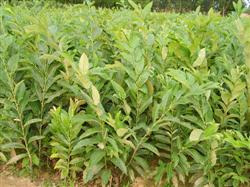 After chestnut buds break, new shoots quickly enter a period of rapid growth, with branches, leaves, and inflorescences appearing in succession. The formation and development of each organ requires not only water, but also water for nutrient absorption and transport. Therefore, chestnut growers regard irrigation in early spring and before flowering as a critical period for production. According to experiments, irrigation during drought about 15 days before harvest can increase yield by 10%-20%.
Practice has proven that spring irrigation can promote the formation of female flowers, benefit branch growth, and have a good effect on increasing the yield of that year.
Drought resistance and moisture conservation: In China, chestnuts are mostly planted in mountainous and hilly areas, where the soil layer is generally thin, moisture retention is low, and irrigation is difficult. Therefore, attention must be paid to drought resistance and moisture conservation. Mulching with grass can loosen the soil, lower soil temperature, maintain humidity, and benefit root growth and absorption. Improvement of belowground conditions directly affects aboveground growth and development, benefits fruit set, reduces empty burrs, increases nut weight, and raises yield.
The methods for moisture conservation are simple and easy to carry out, and materials can be obtained locally. Each year before the rainy season, dig around the tree dish, build up retaining banks and repair the dish to conserve soil and store water. Before the onset of the dog days, use mountain weeds, fallen leaves, as well as garbage, stones, and other materials to mulch the tree dish.