-
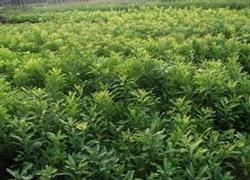
How to manage Chinese bayberry after planting? These techniques must be mastered
After the Chinese bayberry seedlings are planted, they begin to bear fruit in about 5 years. To achieve the goal of early fruiting, strengthening cultivation and management after planting cannot be neglected. First, inspect the seedlings and straighten them promptly. After the Chinese bayberry seedlings are planted, they must be checked promptly; if missing plants are found, replant immediately so that growth is uniform and consistent; if dry weather occurs after planting, water promptly...
-
What are the main pests of bayberry (Chinese bayberry)? A detailed guide to integrated control methods
I. Bayberry crown gall disease 1. Symptoms: Bayberry crown gall disease is a bacterial disease. It mainly affects the branches and trunks of 2-3 year old fruiting trees, mostly forming tumors on the branches and trunks. The tumors are nearly spherical, varying in size, very hard and suberized, and brown to dark brown. Generally, the tumors on the branches and trunks begin to enlarge in early April, and in July-August...
-
Four Cultivation Methods for Controlling Excessive Vegetative Growth of Waxberry (Chinese Bayberry) Trees
Waxberry trees planted on deep, fertile soil will, if allowed to grow naturally, develop excessive vegetative growth, causing most of the tree's nutrients to be consumed by the growth of branches and leaves, which leads to phenomena such as few or difficult-to-form flower buds, and the tree entering the fruiting stage late or producing low yields. There are four measures for controlling excessive vegetative growth of waxberry trees: 1....
-
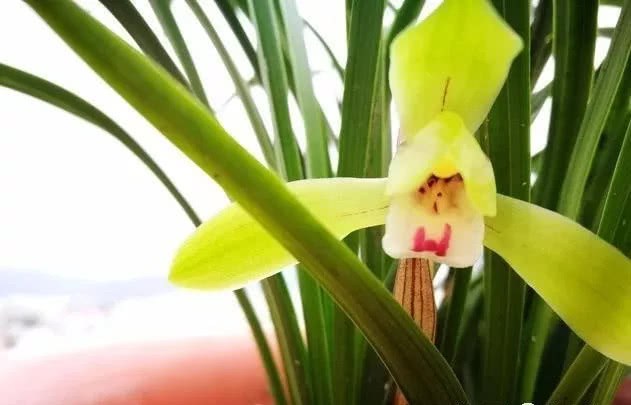
Is fertilizing during the flower bud stage of Chinese Cymbidium beneficial? Do it right and next year's new shoots will be more numerous and stronger
How to fertilize Chinese Cymbidium during the flower bud stage is a question that troubles many novice orchid growers. Haoshe Farmer generally does not fertilize, because my potting medium has enough lasting fertilizer effect for the year. But I have also tried fertilizing Chinese Cymbidium during the bud stage, and the results were quite good. Fertilizing Chinese Cymbidium during the flower bud stage...
-
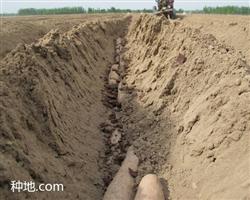
How to prevent and control pests and diseases in Chinese yam? A full breakdown of cultivation methods
How should pest and disease control be carried out after planting Chinese yam? The main pest and disease control methods for Chinese yam are introduced as follows: 1. Agricultural control. 1. Selecting disease-resistant varieties is an effective method for preventing and controlling pests and diseases in Chinese yam. When cultivating disease-resistant varieties, rational arrangement is needed, rotating varieties every 2 to 3 years, and attention should be paid to variety purification and rejuvenation....
-
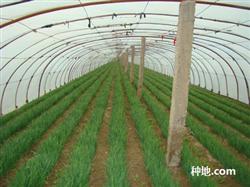
How to weed after planting Chinese chives? Introduction to common methods
How to harvest Chinese chives grown in a greenhouse? What should be noted? When Chinese chives grow to 5-6 leaves, growth is already relatively full, the leaves are wide and long, the pseudostem is both thick and round, and the nutrients transported to the underground part are also relatively abundant, so harvesting can be carried out at this time. Generally, it takes about 30 days from covering to the first cut. When cutting Chinese chives, choose a sunny day and early...
-
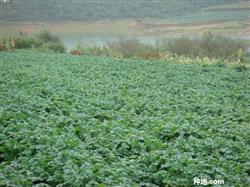
How to fertilize Chinese cabbage and radish scientifically? A full breakdown of the key methods
How to fertilize Chinese cabbage and radish scientifically? Please explain. Chinese cabbage is an important leafy vegetable. It has a very high yield, reaching more than 5000 kg per mu, so it has relatively high fertilizer requirements. The ratio of the three is 1:0.4:1.1. Therefore, like other leafy vegetables, during the vegetative growth period...
-
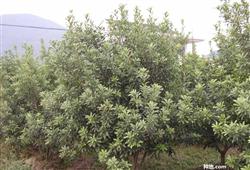
What are the key management techniques for bayberry (Chinese bayberry, Morella rubra) after harvesting?
How should bayberry be managed after harvesting? Please explain. The nutritional status of bayberry directly affects its yield, quality and tree vigor. After this year's bayberry harvest, in order to achieve a high yield and bumper harvest next year, overcome the alternate bearing phenomenon, and help the bayberry trees grow good autumn shoots, the following four management measures should be carried out after harvest: 1. Scientific...
-
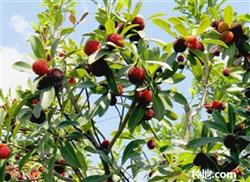
What are the key technical points for post-harvest management of Chinese bayberry (Myrica rubra)?
How should Chinese bayberry be managed during the harvest period? Please guide. June coincides with the plum rain season, with relatively concentrated rainfall across the province. June is also the season when Chinese bayberry ripens, so the following work is recommended: 1. Seize the fine weather and promptly harvest the ripe Chinese bayberry. As the saying goes: "At the Summer Solstice, Chinese bayberry turns the hills red; at Minor Heat, the Chinese bayberry needs..."
-
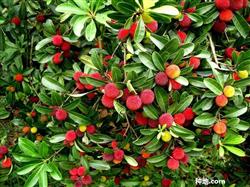
Correct Methods and Technical Key Points for Applying Boron Fertilizer to Chinese Bayberry
How to fertilize Chinese bayberry for high yields? Please advise. The following methods can be referenced for fertilizing Chinese bayberry: 1. Rational fertilization. Fertilization of Chinese bayberry should take into account the soil and tree nutrient levels as well as the fertilizer requirements of Chinese bayberry. First is the fertilizer requirement characteristics of Chinese bayberry; attention should be paid to the use of nitrogen and potassium fertilizers, as mature trees have a relatively high demand for potassium fertilizer. Potassium fertilizer...
条件筛选