-
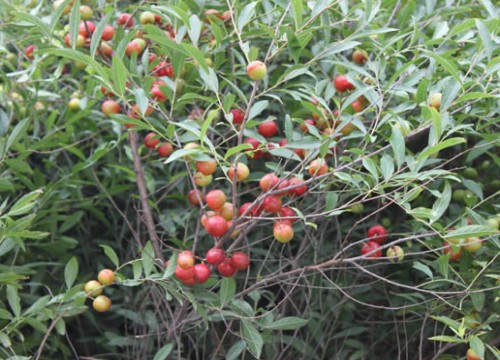
How to grow Chinese pistache in pots? Detailed explanation of sowing methods and cultivation and propagation techniques
In recent years, whenever late autumn comes, there are always people keen to travel elsewhere to admire red leaves. In fact, our native red-leaf tree, the Chinese pistache, has leaves even more brilliantly beautiful than those of the smoke tree, sweetgum, and maple from other places. So, how do you sow seeds to make a Chinese pistache bonsai?
-

Natural bonsai are a most beautiful decoration for the Chinese classical study
The feng shui layout of a study that influences destiny deserves your attention; the study is an important component of the home environment. The study is both an extension of the workplace and a part of daily home life. The study should be filled with a scholarly atmosphere, so the plants chosen should not be too many, and foliage plants or potted flowers with light, elegant colors are more suitable
-
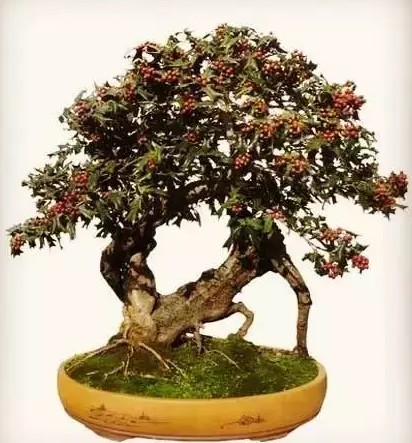
A Detailed Guide to Shaping Methods and Techniques for Chinese Holly Bonsai
Chinese holly, also known as cat's thorn and Chinese holly wintergreen, is an evergreen small tree or shrub of the genus Ilex in the family Aquifoliaceae. The bark is grayish-white and smooth, and the small branches are densely grown and spreading. The leaves are simple and alternate, elliptical-oblong, leathery, with 5 hard spiny teeth, glossy on the surface, and dark green. The flowers are yellow-green and grow in the leaf axils. The drupe is spherical and bright red
-
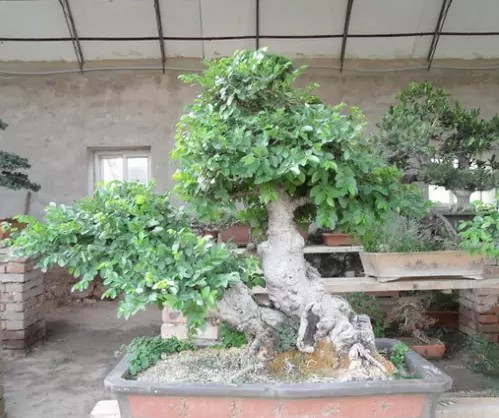
How to cultivate Chinese holly (Ilex cornuta) bonsai? A detailed guide to the method
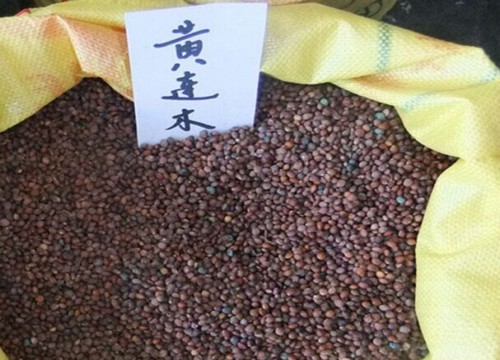
The wood of the Chinese holly is soft and flexible, and can be used as a substitute for boxwood (Buxus) wood to make various utensils and carved items. Farmers use it as a nose ring for plowing oxen. It should have been a common and commonly used plant in the Yellow River basin during the era of the Classic of Poetry (Shijing). The bark and leaves can be used medicinally, having the effect of nourishing yin and clearing heat. The seed is known pharmaceutically as "Shidagonglaozi" (Mahonia seed), and is used in traditional Chinese medicine to tonify the liver and kidneys
-
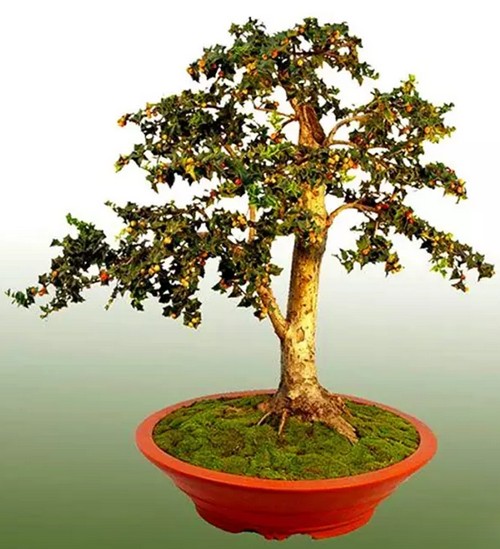
How to cultivate Chinese holly bonsai? Detailed practical technical points
Chinese holly, also known as tiger thorn, cat thorn, bird's perch, and so on, is a relatively common landscape tree species, often used in garden design and urban greening. However, because Chinese holly has relatively high ornamental value, many people now also use it for bonsai artistic shaping and pot cultivation
-
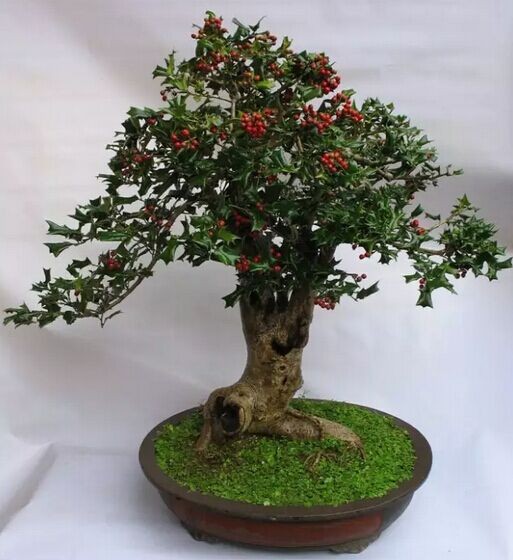
Detailed Guide to Pruning and Shaping Chinese Holly Bonsai
Gougou, namely Chinese holly, scientific name: Ilex cornuta, also known as cat's thorn, tiger thorn, octagonal thorn, bird's roost, dog-bone thorn, cat's fragrance, mouse tree, etc. It is an evergreen shrub or small tree, with peculiar leaf shapes, bright green and glossy, evergreen all year round, covered with red fruits after autumn, not withering through winter, gorgeous and lovely
-
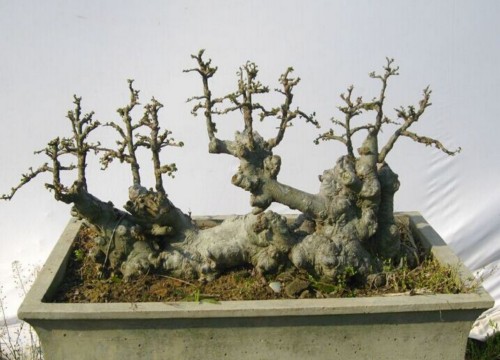
How to Shape a Chinese Elm Bonsai? Detailed Methods and Techniques
When shaping a Chinese elm bonsai, you should base the work on the basic form of the old trunk and, through wiring, pruning and other techniques, create different bonsai styles such as the formal upright style, curved trunk style, slanting style, waterside style, cascade style, wind-swept style, forest style, and root-on-rock style. Shaping can be done either during the dormant period after leaf fall or during the growing season
-
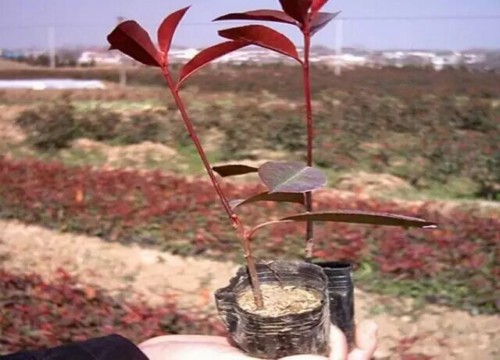
Detailed Explanation of Key Techniques for Raising Chinese Pistache (Pistacia chinensis) Bonsai Seedlings
In recent years, influenced by the market and seedling-raising techniques, demand for Chinese pistache (Pistacia chinensis) seedlings has continued to rise. In order to effectively carry out base construction and form a large-scale production and processing industry chain for Chinese pistache as soon as possible,
-
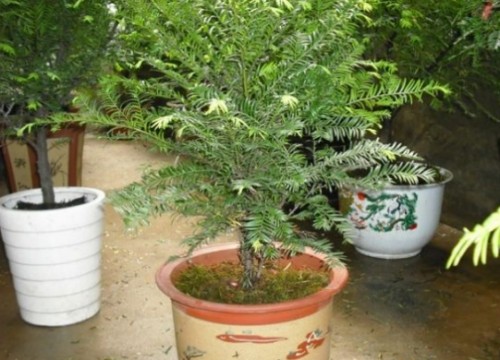
How to shape a Chinese pistache bonsai? A full analysis of practical techniques
The wood of the Chinese pistache is hard in texture and fine in grain, and can be used for construction, farm tools, furniture and carving. Its crown is tall and rounded, and its leaves are slender and graceful; after autumn the leaves turn bright red and the fruits are blue and red intermixed, so it can also serve as an ornamental greening tree for cities. Its young leaves can be made into tea, and its bark and stems can be used as medicine
-
How to grow the trunk of a Chinese pistache bonsai? The key points are here
For growing the trunk of a Chinese pistache bonsai, around the Spring Equinox, dig out robust seedlings that have grown on the seedbed for a full 2 years; when digging, take care to protect the lateral roots and fibrous roots. To ensure the bonsai seedling's growth height does not exceed 80cm, all branches and trunks above 50-60cm on the newly dug seedling should be cut off
条件筛选