-
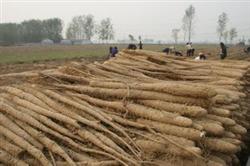
Detailed Explanation of Fertilizer Requirements and Fertilization Techniques for High-Yield Chinese Yam
Fertilizer requirements. Chinese yam has a long growth period and a high fertilizer demand, and it especially favors organic fertilizers with long-lasting effects. Because tuber formation is accompanied by the accumulation of substances such as starch, the demand for phosphorus and potassium is relatively large. In the early growth stage of Chinese yam, because temperatures are low and organic nutrients are released slowly, an appropriate amount of quick-acting nitrogen fertilizer should be supplied to promote...
-
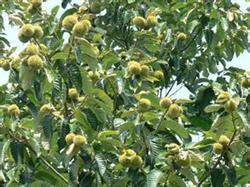
Key Technical Points and Precautions for Summer Fertilization of Chinese Chestnut
To improve the yield and quality of Chinese chestnut, the chestnut trees should be fertilized in summer. There are mainly two fertilization methods: the soil fertilization method: for chestnut orchards with thin, poor soil and a severe lack of fertilizer, the soil fertilization method gives better results. Dig a circular ring trench within the drip line of the chestnut tree canopy for fertilization, with a trench width of 25 cm and a depth of 2...
-
Key Points of Xuanmu Gua (Chinese Quince) Planting Techniques and Management Methods
Base fertilizer is applied during deep plowing of the orchard in late September, mainly using barnyard manure and human excrement and urine, mixed with quick-acting N fertilizer. For young trees, apply 15-30 kg of base fertilizer per tree; for mature trees, apply 30-50 kg per tree. Topdressing: before bud break (late March to early April), apply 130 g of urea and 400 g of NPK compound fertilizer per tree in holes or furrows. Spray 0.3... once each 2 weeks before and after flowering.
-
How to grow Chinese quince? Detailed explanation of cultivation techniques
Chinese quince (Pseudocydonia sinensis) is a deciduous shrub or small tree of the Rosaceae family, also known as iron-foot pear, quince tu, etc. It enjoys the reputation of "fruit of a hundred benefits" and can be used to produce more than 200 varieties across eight categories, including beverages, foods, health products, medicines, cosmetics, drinks and pigments. In recent years, Guizhou Province has gradually strengthened industrial restructuring, vigorously developing the "green...
-

Chinese cabbage in autumn is prone to cabbage worms, so how can you control them more effectively?
Summary: Autumn Chinese cabbage is prone to cabbage worms, and these methods leave lower pesticide residues. Chinese cabbage is one of the vegetables in greatest demand in winter, especially in the northern vegetable market. Basically, one family can eat two or three bags of Chinese cabbage over a winter. Pickled Chinese cabbage, stewed Chinese cabbage, vinegar-tossed Chinese cabbage, and so on - Chinese cabbage is truly an indispensable good vegetable on the winter dining table. But the frequent outbreak of cabbage worms also really gives vegetable growers a headache. On Chinese cabbage that had been growing well, once cabbage worms crawl over the leaves, the leaves are either covered with holes or covered with insect droppings. This not only affects appearance, but more importantly affects yield.
-
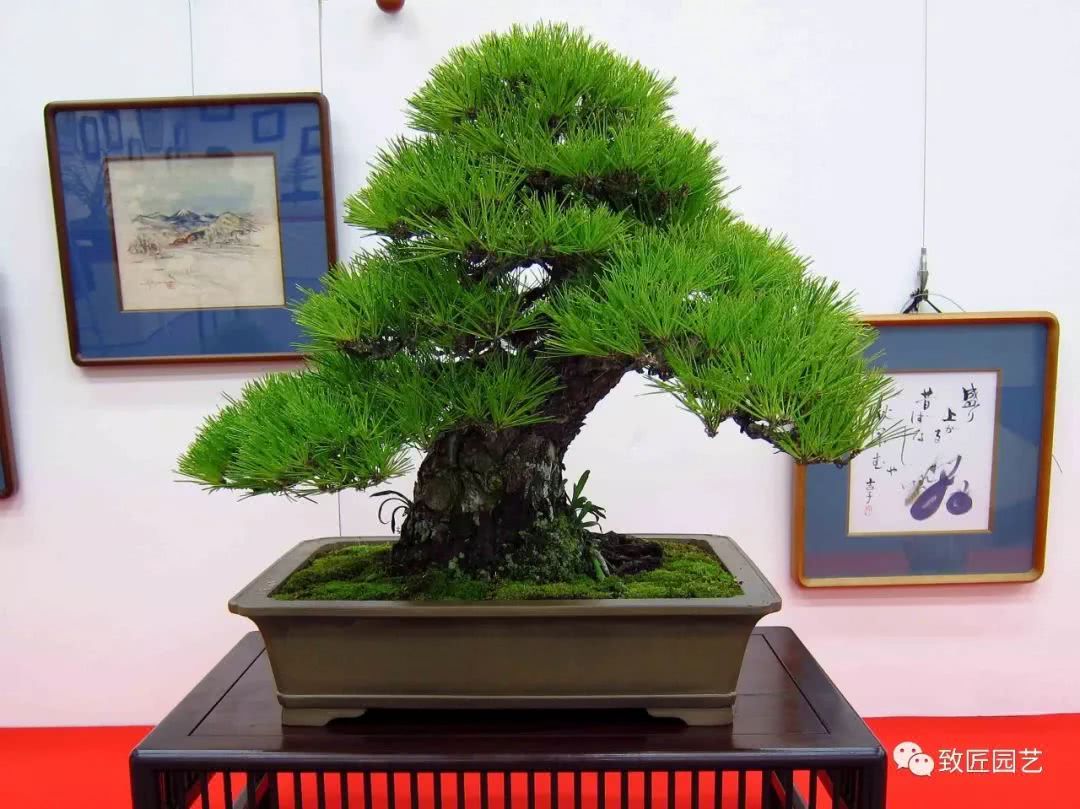
Cool-headed Reflections on the Current State of Chinese Penjing Development
Penjing originated in China. The prototype of Chinese penjing is the image of a potted plant combining plant, pot and stand depicted in the Eastern Han dynasty (25-220 AD) tomb mural unearthed in Wangdu, Hebei; while in the Tang dynasty tomb passage mural of Crown Prince Zhanghuai, there appeared...
-
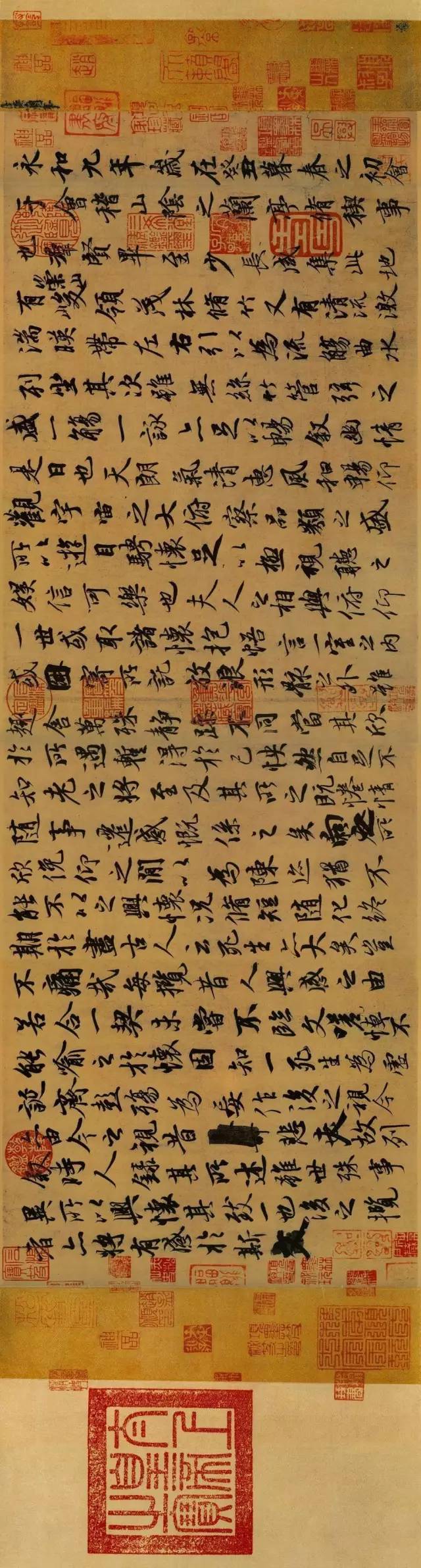
The 9 Handscrolls with the Highest Achievements in Chinese Calligraphy
"Pingfu Tie" (Recovering from Illness), ink on ivory-colored hemp paper, 9 lines and 84 characters. "Pingfu Tie" was written in the Western Jin Dynasty and is the earliest surviving model calligraphy by a renowned master, as well as the first calligraphy ink trace in history with a documented chain of transmission. It enjoys the reputation of being the "ancestor of model calligraphy." It has been appraised...
-
Detailed Explanation of Technical Measures for Chinese Cabbage Disease Control
Downy mildew, viral disease, soft rot, and tipburn are the main diseases of Chinese cabbage. 1. Downy mildew can occur from the seedling stage to the heading stage, mainly affecting the leaves of Chinese cabbage. It first appears on the lower leaves, producing water-soaked, pale yellow, angular lesions on the leaves, which gradually expand and turn yellowish-brown...
-

Taking cuttings of moss rose, Chinese rose, and kalanchoe - all rely on this kind of soil to grow into a full pot
Moss rose, Chinese rose, and the common kalanchoe basically all rely on cuttings for propagation and growth. Gardeners generally like to take cuttings from branches themselves, usually mixing up some nutrient soil and fermenting a bit of organic fertilizer, but whether the flowers can actually be cut...
-
How to manage Chinese cabbage during the rosette stage? These measures need to be mastered
Symptoms: It occurs in all regions and can cause damage both in the field and during storage. The disease usually starts at the base of the leaf stalk and spreads to the entire leaf and then the whole cabbage plant. The diseased part rots, and white cottony mycelium and black sclerotia grow on the surface. On seed-producing plants, the stems are mostly affected; the stalk area is initially light brown and sunken, then turns white, and the cortex decays...
条件筛选