-
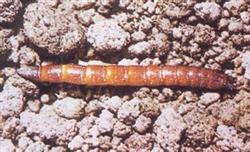
What are the control methods for wireworms in Chinese chives?
Apply a root drench with 50% phoxim at 1000x dilution, 80% trichlorfon at 1000x dilution, 50% phoxim-cypermethrin emulsifiable concentrate at 4000x dilution, 20% fenvalerate at 300x dilution, or 2.5% deltamethrin at 3000x dilution. Alternatively, before sowing or transplanting, mix the above agents with poisoned bait and broadcast it, or use a seed dressing agent for coating.
-
Detailed Explanation of the Fertilizer Requirements and Key Fertilization Techniques for Chinese Chives
To prevent root maggots and other underground pests, broadcast 5% phoxim granules before sowing at 2 to 3 kg per mu; in addition, to prevent weed infestation, spray 33% pendimethalin EC at 100 to 150 ml per mu or 48% butralin EC at 150 to 200 ml per mu, then rake once more, and sowing and seedling raising can then begin.
-
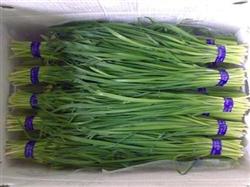
How to grow Chinese chives to increase yield
After detailed questioning, it was learned that this grower had not applied manure for the past two years. The roots of Chinese chives grow upward toward the soil surface as the number of years of growing Chinese chives increases. If manure is not applied, the yield will show a declining trend. Experts suggest that potassium dihydrogen phosphate can be used for foliar spraying, and in addition, it is best to apply manure when growing Chinese chives again next year.
-
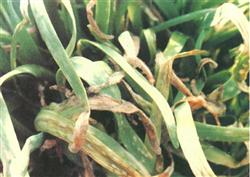
How to identify and prevent gray mold in Chinese chives? Growers, please pay attention
Gray mold is the main disease of Chinese chives in protected cultivation, seriously affecting the quality of Chinese chives marketed around the Spring Festival. Around the Spring Festival each year, the price of Chinese chives is generally at its highest of the year, and once the disease occurs it will cause relatively large economic losses to farmers. Therefore, preventing and controlling gray mold well is crucial for the production of Chinese chives in protected cultivation. 1. Onset...
-

Potted Chinese rose: beautiful and fragrant, blooms diligently, years of zero negative reviews, worth getting
Introduction: Potted green plants are essential decorative items for home life. Keeping some flowers and plants at home has many benefits - it beautifies the room and lifts your mood. "Flower Sound Potted Plant Diary · Issue 1294" introduces you to a Chinese rose with an excellent reputation....
-

Detailed Guide to Chinese Cabbage Planting Time and Methods
Chinese Cabbage Planting Time and Methods
-
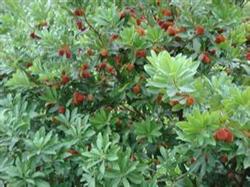
Detailed Explanation of Key Points for Dwarf Cultivation Techniques of Chinese Bayberry
Dongkui Chinese bayberry is a premium variety native to Zhejiang and currently the Chinese bayberry variety with the largest fruit in China and even the world, making it one of the important Chinese bayberry variety resources in China. The Dongkui Chinese bayberry fruit is extra large; in Huangyan its ripening period is from late June to early July, with an average single fruit weight of 25 grams and a maximum fruit weight of 50 grams. The fruit is spherical, purple...
-
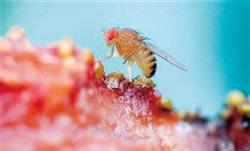
How to control fruit flies on Chinese bayberry? Introduction to practical control methods
In recent years, the occurrence of fruit flies has reduced the yield and quality of Chinese bayberry, seriously affecting the economic development of the Chinese bayberry industry. In order to explore the occurrence patterns and control techniques of fruit flies on Chinese bayberry, the author has observed this pest since 2008, and has now basically clarified its occurrence situation in our county and summarized the corresponding control techniques. Fruit flies...
-
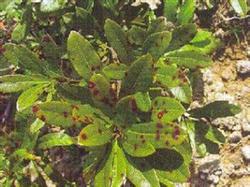
A Detailed Guide to the Main Diseases of Chinese Bayberry (Yangmei) and Their Control Methods
I. Chinese Bayberry Crown Gall Disease 1. Symptoms: Chinese bayberry crown gall disease is a bacterial disease. It mainly affects the branches and trunks of 2-3 year old fruiting trees, mostly forming tumors on the branches and trunks. The tumors are nearly spherical, vary in size, are very hard and corky, and range in color from brown to dark brown. Generally, the tumors on the branches and trunks begin to enlarge in early April, and from July to August...
-
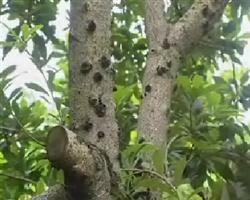
What are the common pests and diseases of Chinese bayberry (Myrica rubra)? These several will affect tree vigor
Pests and diseases such as canker, brown spot, leaf roller, and pine caterpillar have a huge impact on the vigor and yield of Chinese bayberry trees. In production, prevention should be the main approach, with integrated control. In addition to measures such as increasing the application of organic fertilizer and potassium fertilizer and doing a good job of winter orchard cleaning, during the growing season effective measures should be taken promptly according to the occurrence patterns of pests and diseases to...
条件筛选