What are the key management techniques for bayberry (Chinese bayberry, Morella rubra) after harvesting?
How should bayberry be managed after harvesting? Please explain. The nutritional status of bayberry directly affects its yield, quality and tree vigor. After this year's bayberry harvest, in order to achieve a high yield and bumper harvest next year, overcome the alternate bearing phenomenon, and help the bayberry trees grow good autumn shoots, the following four management measures should be carried out after harvest: 1. Scientific...
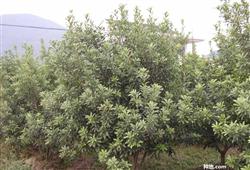
How should bayberry be managed after harvesting? Please explain
The nutritional status of bayberry directly affects its yield, quality and tree vigor. After this year's bayberry harvest, in order to achieve a high yield and bumper harvest next year, overcome the alternate bearing phenomenon, and help the bayberry trees grow good autumn shoots, the following four management measures should be carried out after harvest:
I. Scientific fertilization to ensure nutrition. The autumn shoots that grow in the current year are the effective fruiting mother branches for the next year. Scientific fertilization for autumn shoots should be applied within 15-20 days after harvest. If fertilization is too late, it will cause winter shoots or spring shoots to grow, which is beneficial for flowering and fruiting the next year. The amount of fertilizer should be determined according to the tree vigor and yield. Generally, for a tree yielding more than 50 kg, apply 40-50 kg of organic fertilizer, mix 1 kg of phosphate fertilizer with 0.5 kg of urea, and then cover the soil surface with 20-25 kg of rice straw. Use the trench application method, digging a trench 30-40 cm deep at the drip line of the canopy. Never apply fertilizer inside the tree plate, so as to avoid losing its effectiveness.
II. Reasonable pruning to build up the canopy. While fertilizing the bayberry trees, prune the branches reasonably in combination, to form a high-yielding canopy, remove diseased and pest-infested branches, weak branches, dead branches and shaded branches, and appropriately open skylights so that the canopy is ventilated and receives light, produces more autumn shoots, and improves the quality of autumn shoots. This can reduce the extent of alternate bearing.
III. Sweep up fallen leaves and nourish the trees with the trees themselves. After the bayberry harvest, immediately carry out orchard cleaning, sweep up the fallen leaves of the fruit trees and bury them deep in the soil. First, this loosens the soil, retains moisture and nourishes the trees; second, it reduces damage from diseases and pests.
IV. Spray pesticides in time to prevent and control diseases and pests. Bayberry diseases and pests seriously affect the tree vigor of the fruit trees and the quality of the fruit. They are mainly leaf spot disease and caterpillars. For leaf spot disease, pesticides can be sprayed in time after the bayberry harvest, using 0.1-0.5 Bordeaux mixture or 1000-fold diluted carbendazim or chlorothalonil for spraying, once every week, for 3 consecutive sprays. Caterpillars generally hatch and cause damage when the temperature is above 20C. When few occur, manual capture is the main method; lantern traps can also be used, or highly effective non-toxic pesticides such as Suding or Kung Fu can be sprayed. Never use highly toxic pesticides for spraying, to prevent people from indiscriminately using pesticides on fruit trees. Carrying out disease and pest control in this way can both achieve the purpose of preventing diseases and controlling pests and improve the economic benefits of the fruit.
Click to get more bayberry cultivation techniques
Click to get more fruit cultivation techniques