-

A Detailed Guide to Myrica rubra (Chinese Bayberry) Tree Planting Techniques and Cultivation Management
The Myrica rubra tree is a fruit tree native to China, and its fruit has a unique flavor and is rich in nutrients, making it highly favored by consumers. In today's world, where dietary therapy and health are valued, Myrica rubra has attracted even more attention due to its good medicinal value. Every part of the Myrica rubra tree is useful; its roots, trunk, branches, leaves, fruit, and seeds
-

Chinese people are rushing to emigrate to one of the world's poorest countries, and netizens are asking whether it's worth it
In Africa there is a country that is one of the poorest in the world, very primitive, with an economy based mainly on agriculture and fishing, relying on the weather to make a living, with a very low per capita income, but this country, which is several times poorer than remote rural areas in Yunnan and Guizhou...
-

How to Grow Chinese Water Chestnut? A Detailed Explanation of the Key Cultivation Techniques
Cultivation Techniques for Chinese Water Chestnut
-
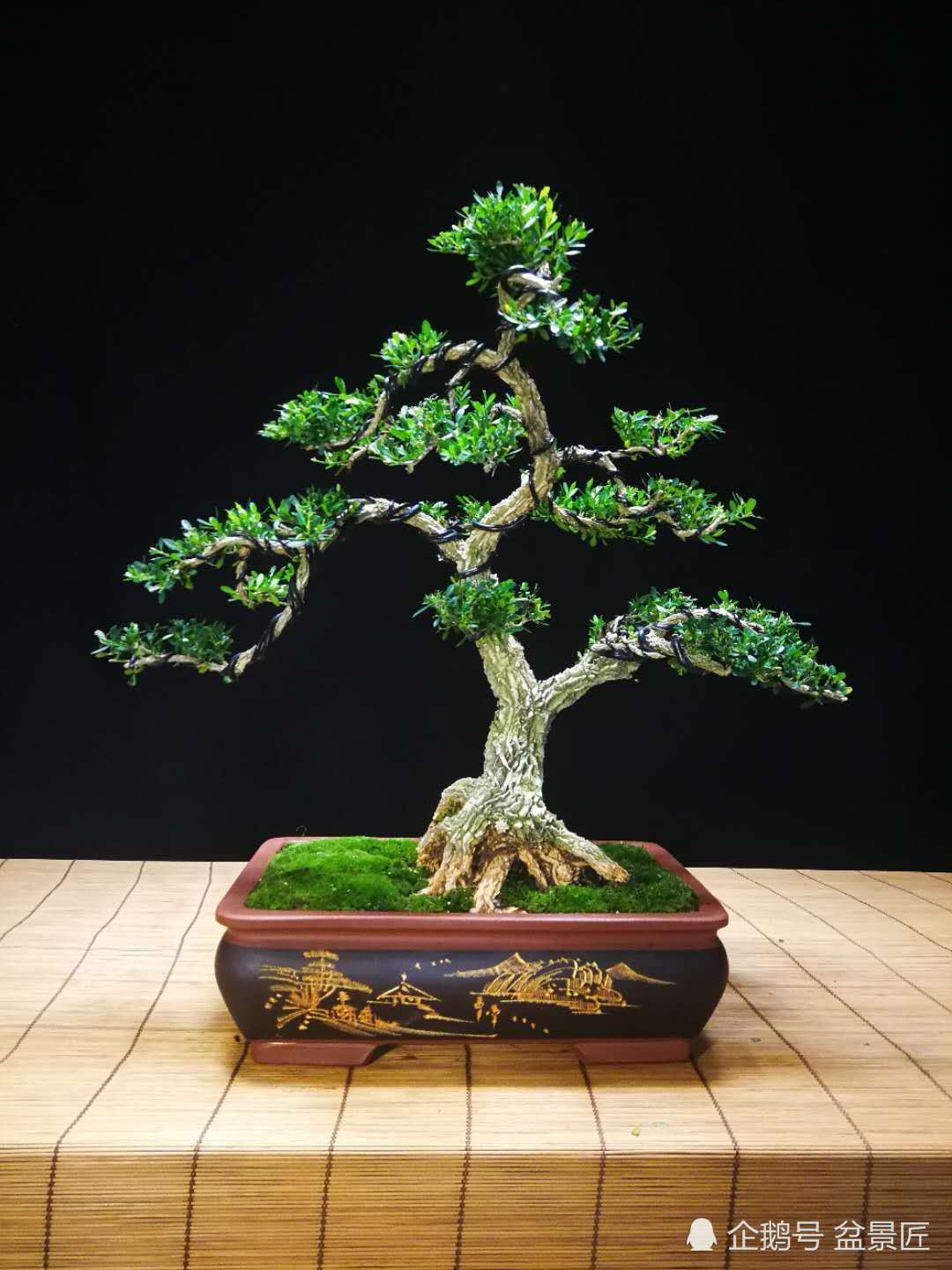
Why is the Chinese boxwood so appealing? These are the key points for appreciating boxwood bonsai
Why do people love the Chinese boxwood? These are the key points for appreciating boxwood bonsai Why do people love the Chinese boxwood? These are the key points for appreciating boxwood bonsai Why do people love the Chinese boxwood? These are the key points for appreciating boxwood bonsai Why do people love the Chinese boxwood?...
-

Bury 1 jin of oil in the pots of clivia and jasmine, and the leaves will be as dense and plentiful as a Chinese cabbage
Autumn has arrived, and many of the dormant flowers at home are slowly waking up and getting ready to grow. But because of the "autumn tiger" heat, they still cannot be repotted right now, so hurry up and give the flowers some nutrients so they can grow vigorously in autumn! ...
-
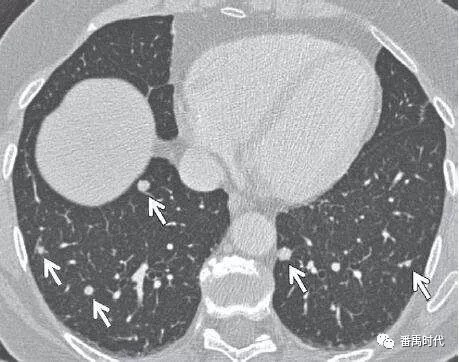
Lung nodules: resolve blood stasis early, and Traditional Chinese Medicine has its methods
Lung nodules are a term used in Western medicine reports such as X-ray imaging; they refer to what Western medicine calls benign or malignant tumors, which in Traditional Chinese Medicine correspond to qi deficiency and an imbalance of yin and yang, with qi stagnation and blood stasis giving rise to phlegm turbidity or blood stasis obstruction. Western medicine has many descriptions, such as...
-
An Interpretation of the Attributes of Pulmonary Hemorrhage in Traditional Chinese Medicine
Pulmonary hemorrhage is known as hemoptysis in traditional Chinese medicine. Regarding bleeding, there are many terms in traditional Chinese medicine; for example, bleeding from the nose is called nasal hemorrhage, or epistaxis. Hemoptysis in traditional Chinese medicine arises from pulmonary tuberculosis, which is what traditional Chinese medicine calls consumptive lung disease, as well as from lung atrophy and lung abscess...
-

What insecticidal Chinese herbal medicines are there for amoebic lung abscess
Amoebas are all classified under worm diseases in traditional Chinese medicine. From the perspective of Western medicine, since 1875, 9 different species have been discovered, and more than 30 kinds of amoebas can harm the human body, generally causing gastrointestinal inflammation, and in severe cases causing abscesses in the lungs, liver...
-

How is chest pain caused by pulmonary arterial hypertension treated in traditional Chinese medicine?
In Western medicine, the causes and types of pulmonary arterial hypertension are multiplying, and when the two are combined there are already nearly a hundred kinds, which can be described as dizzying, bewildering, and impossible to sort out. Yet traditional Chinese medicine can sum it up in just eight characters, namely "sinking of the great qi, qi deficiency and blood stasis." In...
-

Detailed Explanation of Key Fertilization Techniques for High-Yield Chinese Yam
High-Yield Fertilization Techniques for Chinese Yam
条件筛选