-

The world's top ten famous flowers each have different meanings; how many of them are Chinese flowers?
Nowadays more and more people grow flowers, and there are likewise more and more flower varieties. I wonder how many kinds of flowers flower lovers who love flowers know? We all know that since ancient times, China's literati and scholars have created many poems praising flowers and plants, and likewise...
-
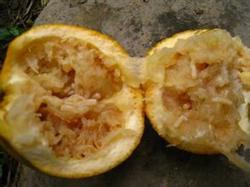
May control methods for the Chinese citrus fruit fly
The Chinese citrus fruit fly, commonly known as the citrus maggot, and the damaged fruit known as maggot fruit, was a nationally quarantined pest before 2009. It damages four citrus types: pomelos, sour oranges, navel oranges, and mandarins (loose-skin citrus), with sour oranges and sweet oranges suffering the most severe damage. Its larvae tunnel through and feed on the segments inside the fruit, causing the fruit to turn yellow before ripening, with red tinges amid the yellow, and the damaged fruit severely...
-
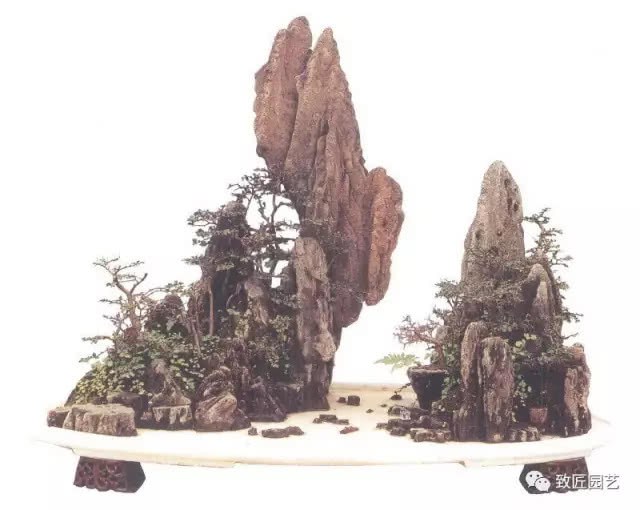
Chinese bonsai emphasizes three realms: the habitat realm, the painting realm, and the artistic conception realm.
The creative process of Chinese bonsai is: first create the "habitat realm" of natural beauty and the beauty of life; then further elevate it through artistic refinement to the "painting realm" of artistic beauty; finally, through scenes stirring emotions, achieve the "artistic conception realm" of ideal beauty, entering three...
-
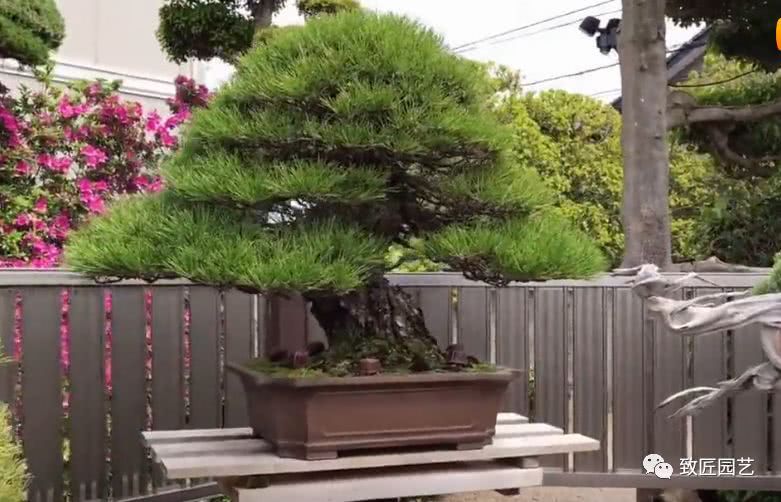
A Detailed Explanation of the Basics of Compositional Rules in Chinese Bonsai Styling
Explanation of Compositional Rules: Compositional rules originally referred to the techniques of opening, developing, turning, and concluding used in writing essays, and were later extended to the structural layout of calligraphy, painting, and seal carving. In Chinese bonsai, compositional rules are used to handle the relationships between structures: care and echo, straightness and curvature, sparseness and density, gathering and scattering, form and momentum...
-

How to manage Chinese cabbage during the head-forming stage? Mastering these key points is essential
How should Chinese cabbage be managed during the head-forming stage?
-
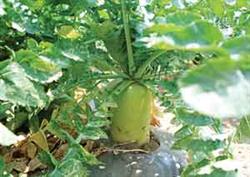
How to fertilize Chinese cabbage and radish? Master the nutrient requirements and fertilization methods
Chinese cabbage is an important leafy vegetable. Chinese cabbage has a very high yield, reaching over 5000 kg per mu, so it has relatively high fertilizer requirements. The ratio of the three is 1:0.4:1.1. Therefore, like other leafy vegetables, Chinese cabbage requires adequate nitrogen nutrition during the vegetative growth period, which is particularly important for promoting the formation of large leaves and increasing the photosynthetic rate...
-
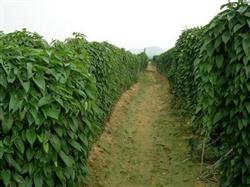
Key Technical Points for Integrated Pest and Disease Control in Chinese Yam
I. Agricultural Control 1. Selecting disease-resistant varieties is an effective method for controlling Chinese yam pests and diseases. When cultivating disease-resistant varieties, rational layout is necessary, rotating varieties every 2 to 3 years, and attention should be paid to variety purification and rejuvenation. 2. Crop rotation can reduce or avoid damage from Chinese yam stem rot and root-knot nematodes. Rotate at least once every 3 years with crops that are not infected, such as corn (2343, -3.00, -0.13%), wheat, radish, and watermelon; in old areas where Chinese yam is cultivated year-round, rotate once every year; where conditions permit, paddy-upland rotation can be implemented for better control results.
-
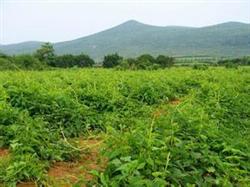
How to Fertilize Chinese Yam? A Detailed Guide to Scientific Fertilization Methods
During the seedling stage and the vine-spreading stage, Chinese yam mainly grows leaves and branches, so fertilizers should be mainly nitrogen-based. After budding, it enters the peak growth stage, the underground tubers begin to expand, and the fertilizer demand is relatively large. This is the key period for fertilization, and nitrogen, phosphorus, and potassium should be applied in combination. I. Base fertilizer. Choose a good field, and before plowing, apply 2000 kg-4000 kg of decomposed farmyard manure and 60 kg-80 kg of compound fertilizer per mu as base fertilizer, then plow the soil 30 cm deep and harrow it fine.
-
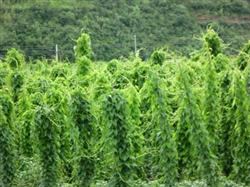
Fertilizing Chinese Yam Requires Care: Analysis of the Characteristics of Two Types of Fertilization
Chinese yam is a crop of the Dioscoreaceae family and a vegetable much loved by people. It not only has high nutritional value and a unique flavor, but can also be used as medicine. Due to increased market demand, the planting area of Chinese yam has continued to expand in recent years. Farmer friends often call the hotline to ask about fertilization issues in the cultivation of Tiegun Chinese yam. Below is a list of the current two...
-
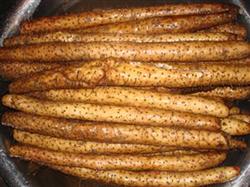
What are the nutritional properties of Chinese yam? A comprehensive guide in one article
Chinese yam, also known as huai shan, huai yam, huai Chinese yam, shuyu, Buddha's palm potato and so on, belongs to the Dioscoreaceae family and is a perennial vegetable. Chinese yam contains a large amount of protein, various vitamins, beneficial trace elements and carbohydrates. In addition, it also contains relatively many medicinal and health-promoting components, such as mucopolysaccharides, allantoin, dioscin, choline, salt...
条件筛选