-
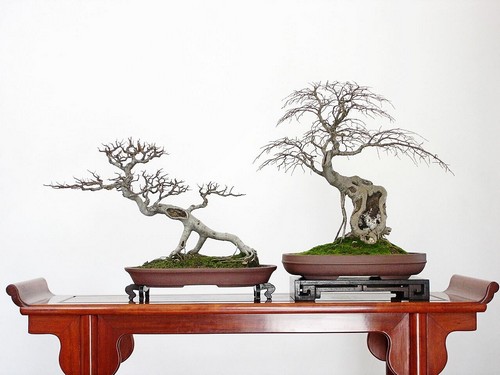
Detailed Guide to Making a Chinese Hackberry Bonsai, Easy to Understand at a Glance
Chinese hackberry (Celtis sinensis) is produced in the Huai River basin and south of the Qinling Mountains, extending south to Guangdong, Guangxi and other provinces and regions, and is a subtropical tree species. It mostly grows scattered in plains and low mountain areas. It likes light and is suited to a warm, humid climate, and thrives in fertile, flat land. It is not demanding about soil, has a certain tolerance for drought, and also tolerates waterlogging and poor, thin soil, with strong adaptability.
-
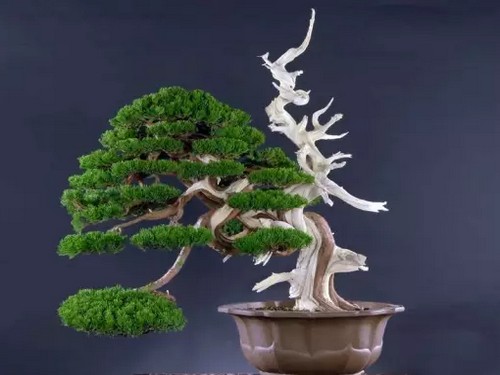
Detailed Guide to the Methods and Techniques for Creating Chinese Juniper Bonsai
Chinese juniper bonsai has long been famous in bonsai circles at home and abroad for its old trunks and gnarled branches, fine dense foliage and elegant posture. Especially in Japanese bonsai exhibitions, shari (deadwood) trunks made from century-old junipers are commonly seen, with white deadwood and red bark alternating, resembling a roaming dragon, vigorous and antique, truly possessing an immortal's bearing, and can be called a superior product among bonsai. Chinese juniper in the Taiwan, China potted plant community
-
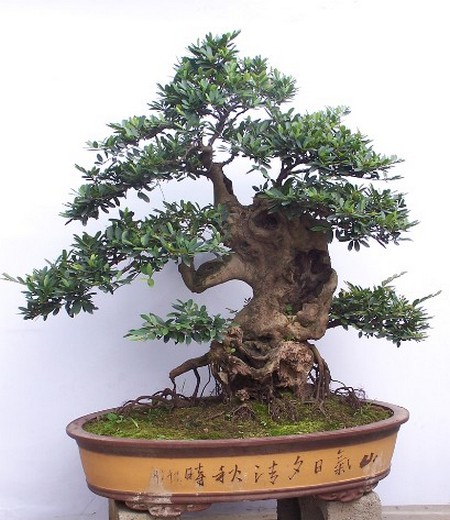
How to make a Chinese mosquito fern bonsai? Master these key points
Chinese mosquito fern (Distylium chinense) has a low trunk with varied shapes and emerald-green leaves that stay evergreen all year round. It is an excellent and highly precious tree species for making bonsai. If placed indoors in a pot, it greatly shows the owner's elegance and refinement. It is drought-tolerant, waterlogging-tolerant, tolerant of pruning and shade, with few pests and diseases, small leaves, and evergreen throughout the year.
-
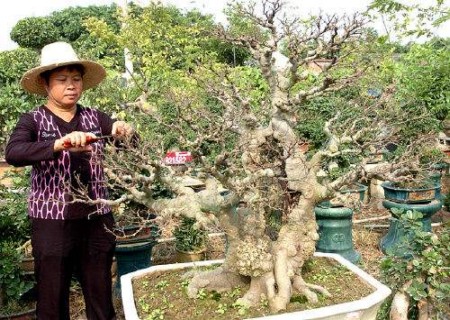
How to make a Chinese hackberry bonsai? A detailed explanation of the methods and steps
The Chinese hackberry (Celtis sinensis) has strong sprouting ability and roots easily; old stumps are mostly dug from the wild. In southern regions, harvesting is mostly chosen for February and March, when temperatures rise and humidity increases, so the dug stumps are less likely to dry out and are easier to keep alive. When digging, choose stumps that are old, have good tree form, short trunks and naturally transitioning curved trunks.
-
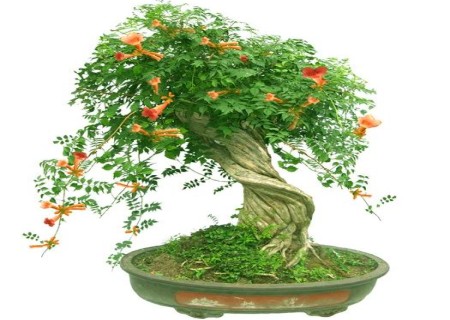
Sharing the Techniques and Methods for Making Chinese Trumpet Creeper Bonsai
Chinese trumpet creeper was recorded as early as the Spring and Autumn period in the Classic of Poetry, where people called it "lingshao"; the line "the flowers of the tiao, how luxuriant and noble they are" refers to Chinese trumpet creeper. The name "lingxiao flower" first appeared in the Tang Materia Medica, which under the entry for "Ziwei" says: "This is the lingxiao flower, and its stems and leaves are all used." The beauty of the Chinese trumpet creeper flower has won over many flower lovers
-
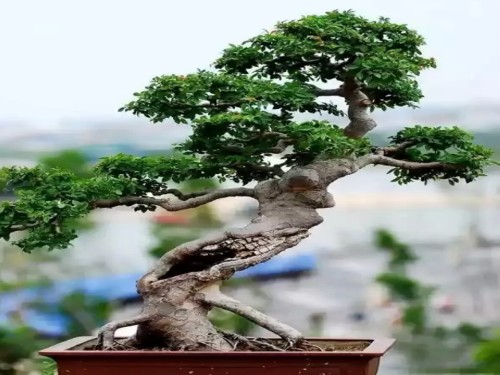
Detailed Explanation of the Techniques and Methods for Making Chinese Elm (Ulmus parvifolia) Stump Bonsai
The Chinese elm (Ulmus parvifolia) has a straight trunk and a round, full crown. Its leaves are smaller than those of the common Siberian elm (Ulmus pumila) but very dense, making it excellent both as a landscape tree and as a street tree. It is just that in the past people did not know it well enough and only regarded it as bonsai material, without paying attention to its use in landscaping. At present, Chinese elm
-
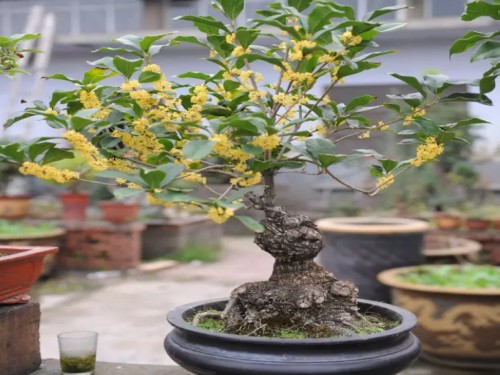
How do you make a bonsai by grafting sweet osmanthus onto Chinese ash?
Sweet osmanthus has dense branches and lush leaves, stays evergreen all year round, has gnarled roots and an elegant posture, bright flowers and fruit, and a rich fragrance; it also combines biological traits such as strong sprouting ability, tolerance of pruning, and a long lifespan, making it an excellent tree species for making tree bonsai. The process of making sweet osmanthus bonsai is intricate, learning from nature, and wonderfully subtle.
-
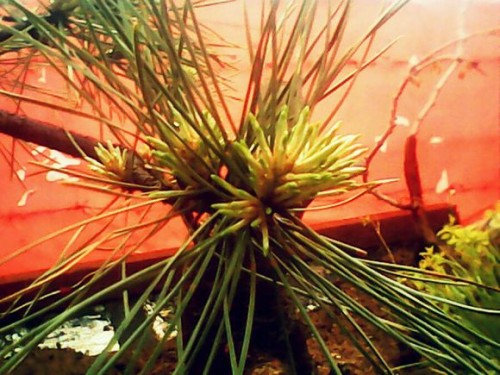
How to make a Chinese pine bonsai? Detailed production method shared
The Chinese pine is tall and vigorous, evergreen all year round, long-lived, and unafraid of wind, snow and severe cold. People regard it as a symbol of unyielding integrity and longevity. Its forms are endlessly varied, becoming more fantastic with age, making it an ideal material for bonsai. After the Chinese pine is planted, water it twice within one week; afterwards you may loosen the soil and preserve moisture, and water once more in early May
-
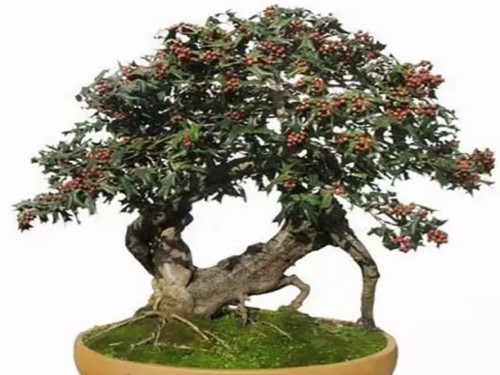
How to make a Chinese holly (Ilex cornuta) bonsai? Detailed method explained
The Chinese holly (Ilex cornuta) has dense branches and peculiar leaf shapes, and its red berries are bright in autumn. It is an excellent tree species for foliage and fruit appreciation. Old-stump bonsai have an elegant, antique posture and remain evergreen through all four seasons, making them suitable for viewing year-round. For decorative applications, it can be planted as a hedge in courtyards or grown in pots, displayed in halls and placed on stands. Because it has thorns, do not let children touch it to avoid injury.
-
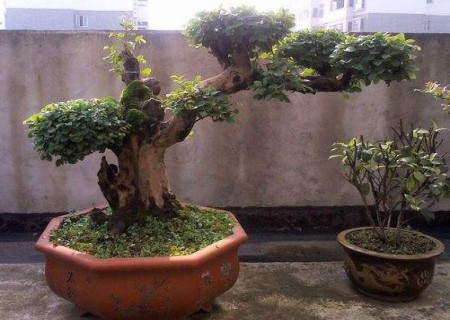
A detailed guide to making Chinese fringetree bonsai, beginners can easily learn it too
Chinese fringetree bonsai is mainly based on red-flowered Chinese fringetree and white-flowered Chinese fringetree. When sunlight shines on the back of the Chinese fringetree leaves, a wonderful little world immediately lights up. The leaves of Chinese fringetree are like peach blossoms in spring, giving people a sense of vitality; and they are also as elegant and unrestrained as lotus flowers in summer
条件筛选