-
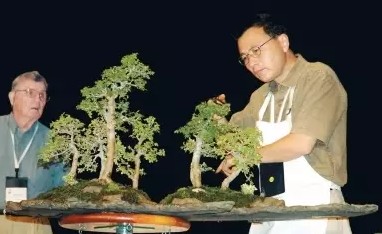
Yangzhou-style penjing debuts on the world stage, with Chinese penjing art master Zhao Qingquan giving a special presentation
With no prominent signboard hung high and no luxurious decoration, Master Zhao Qingquan's studio, tucked away in a corner of the Penjing Museum in the Ten Thousand Flower Garden of Slender West Lake, looks quite simple and understated. When the reporter walked into Zhao Qingquan's office, he was on the phone with Su Yiji, former chairman of the International Bonsai Association and a famous penjing and viewing stone artist from Taiwan, China
-
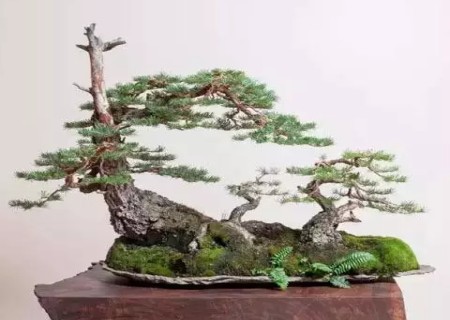
How to grow a Chinese arborvitae (Thuja sutchuenensis) bonsai? Detailed care conditions and techniques
A tree form that blends the withered and the flourishing, where life and death coexist, twisted and ever-changing, lets people feel the vicissitudes of time and the power of life even more. This realm expressed by the Chinese arborvitae cannot be surpassed by any bonsai material that has appeared in the world today. The Chinese arborvitae is the king of root art, and the Chinese arborvitae bonsai is likewise the king of bonsai
-

How to Grow a Chinese Arborvitae Bonsai? A Detailed Guide to Planting Methods
There are many ways to enjoy Chinese arborvitae (Platycladus orientalis); some enjoy its unique fragrance, some enjoy its ethereal, immortal-bone demeanor, some enjoy its millennium-aged small decorative pieces, and others enjoy its culturally evocative carvings, while bonsai cultivation is the highest level of enjoying Chinese arborvitae. A tree form where withering and flourishing complement each other, life and death coexist, and twists and turns transform
-

Detailed Explanation of Key Techniques for Transplanting Chinese Arborvitae (Thuja sutchuenensis) Bonsai
Many people not only love Chinese arborvitae bracelets, but also want to obtain a Chinese arborvitae bonsai. Chinese arborvitae is a prehistoric plant originating more than 300 million years ago, a relict plant from the Cretaceous period of the dinosaur era, known as the world's rarest and oldest gymnosperm, and an extremely rare surviving plant living fossil in the world
-
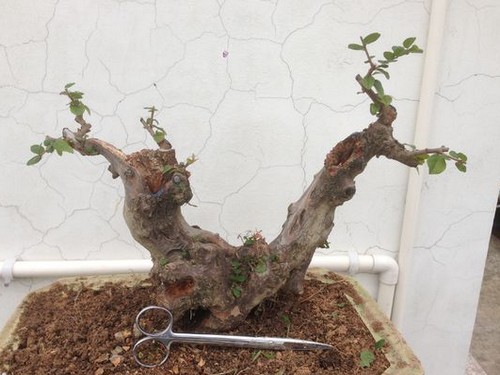
A Detailed Guide to the Timing and Methods of Collecting Chinese Sweet Plum (Sageretia thea) Old Stump Bonsai
The climate in the south is warm, the plant dormancy period is short, and buds sprout early. The best stump collection period is during Minor Cold to Major Cold. After dormancy, the tree - Chinese sweet plum (Sageretia thea) - has accumulated a large amount of nutrients, which is beneficial for sprouting and rooting. Roots and buds complement each other. Good development and growth of both is the guarantee for the stump's survival
-
How to source materials and cultivate Chinese juniper bonsai? A detailed guide to practical methods
Chinese juniper (Juniperus chinensis), native to China, has a slender, pointed tree form, cylindrical in shape, rising straight upward, with new branches growing around the trunk, resembling a green dragon coiled around a pillar, hence the name "dragon juniper." Its leaves are small and dense, emerald green, scale-like and alternately arranged, with spherical blue fruits that remain unchanged through the four seasons. It is a relatively superior and high-quality ornamental tree for parks and courtyards.
-
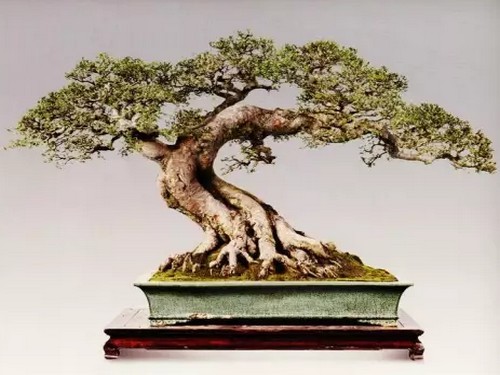
Sourcing Methods and Cultivation Techniques for Chinese Hackberry Bonsai
The Chinese hackberry (Celtis sinensis) has an elegantly antique and unrestrained posture, with rough, mottled bark that does not crack, a tall and straight trunk, and gracefully spreading branches. In spring, new leaves first emerge, covering the branches in tender green; in autumn, the foliage turns deep yellow, making it highly ornamental. In winter, when the leaves have almost entirely fallen, it can be appreciated as a bare tree. Taking its old stumps, with exposed roots and bent trunks, gnarled and antique, green leaves trailing along the branches, layered and towering in verdant beauty, it is richly evocative of wild mountain forests.
-
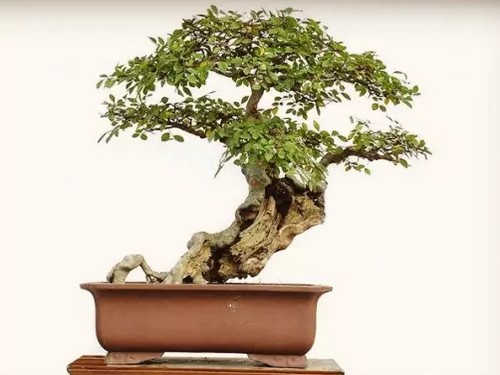
Sourcing Methods and Cultivation Techniques for Chinese Elm Bonsai
Chinese elm (Ulmus parvifolia) is also known as small-leaved elm, and it is not the same as the common elm. Its form is rather elegant, and its most striking feature is the mottled bark and trunk. Its leaves change color in autumn. It is a deciduous tree, very easy to grow casually, but not really suitable for beginners! Its horticultural varieties are prone to pests and diseases, but that does not stop people from liking it.
-
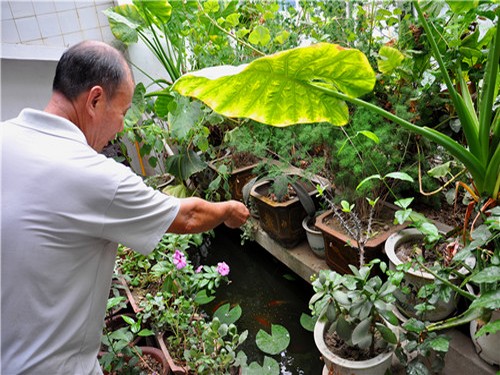
How to grow potted Chinese trumpet creeper (Campsis grandiflora) and things to note
Chinese trumpet creeper likes sunny spots but can also grow in shady environments. It likes a warm, humid climate and has low soil requirements: fertile, moist and well-drained soil is enough. Chinese trumpet creeper is drought-tolerant and waterlogging-tolerant, and can also tolerate saline-alkaline soil; its sprouting and reproductive ability is strong. Chinese trumpet creeper is a climbing plant.
-
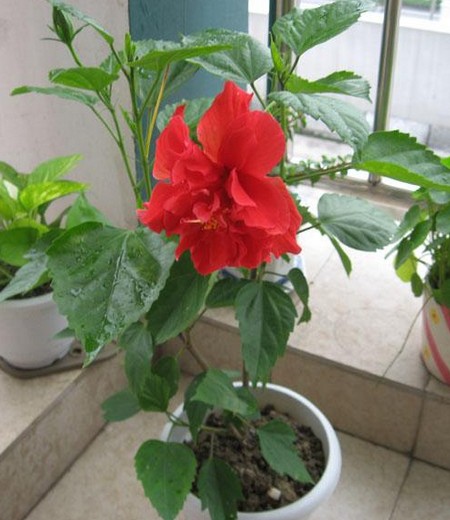
How to Grow Chinese Hibiscus? A Complete Guide to Cultivation Methods and Precautions
Fusang is the common name for Chinese hibiscus (Hibiscus rosa-sinensis), also called Buddhist hibiscus, big red flower, and China rose. Fusang is a beautiful ornamental flowering shrub with large, vividly colored blooms and a long flowering period. Besides red, there are also pink, orange-yellow, yellow, pink-edged-with-red-center, and white varieties; besides single-petaled types, there are also double-petaled varieties.
条件筛选