-
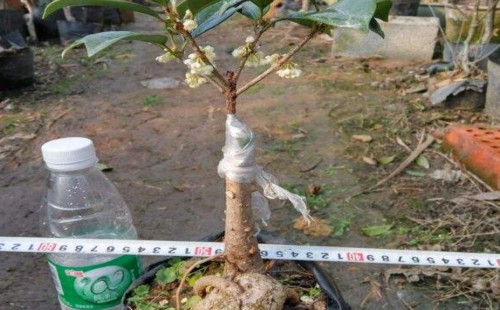
Is a osmanthus grafted onto Chinese fringetree easy to grow? A full breakdown of care methods
Chinese fringetree (Chionanthus retusus), as a rare ornamental tree species unique to China, is an excellent material for making bonsai, especially when used as the rootstock for grafting osmanthus bonsai, the effect is very good. Even if it is not used as a rootstock, growing it directly as a potted plant also offers extremely high ornamental value when it blooms. Using Chinese fringetree to graft osmanthus to make bonsai
-
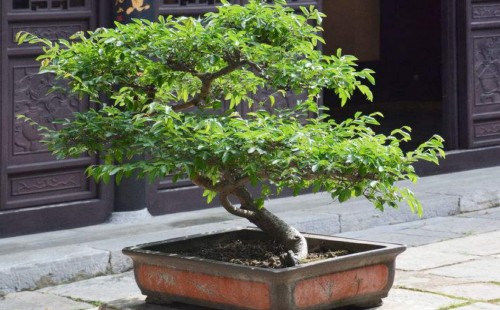
Does a Chinese elm bonsai need to be moved back indoors for the summer?
We have now entered midsummer, and people are suffocating under the recent high temperatures and heavy rain. It is not just people; even the Chinese elm bonsai on the balcony is having a miserable time. The main problem is either the scorching sun or the pouring rain, so not only can people not stand this kind of weather
-
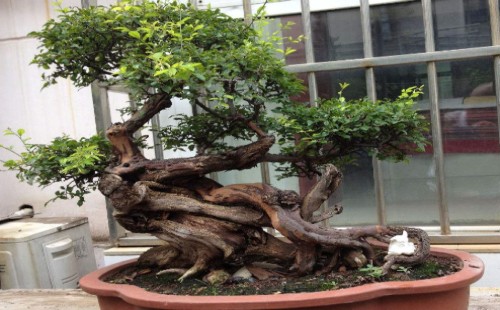
Causes and Solutions for Leaf Drop in Chinese Sweet Plum (Sageretia thea)
Leaf drop in bonsai plants is a very distressing thing, and I believe many friends who enjoy growing bonsai have encountered it. Different bonsai plants have different causes of leaf drop, and even the symptoms are not entirely the same. For deciduous tree species, leaf drop occurs in autumn and winter
-
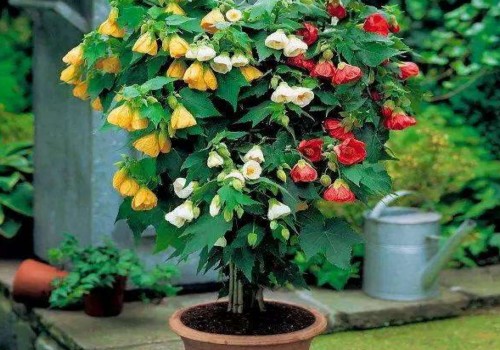
How to care for Chinese lantern flowers? Practical care tips shared
Today the editor introduces a newly available potted plant on the market, the Chinese lantern flower. Its blooms look like little lanterns and are very beautiful. Some varieties of Chinese lantern flower have veins distributed on the flowers when they bloom; these are usually the variegated Chinese lantern flower, though they may also be other hybrid varieties
-
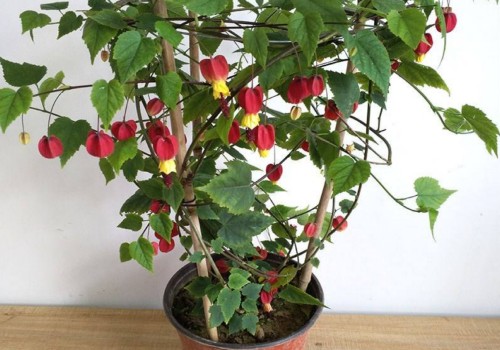
How to grow Chinese lantern flowers (Malvaviscus arboreus) so they bloom all year round? A detailed guide to care methods
Gardeners who love growing flowers and plants in pots at home usually prefer to choose plants that can bloom all year round. Today, we recommend a four-season blooming plant that is very suitable for pot cultivation - the Chinese lantern flower (Malvaviscus arboreus). If you are not familiar with this plant, let's get to know it together below! The Chinese lantern flower is vigorous
-
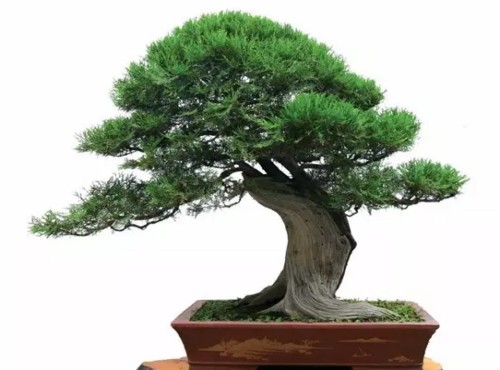
Detailed guide to making Chinese arborvitae (Platycladus orientalis) bonsai, shaping it step by step
Chinese arborvitae (Platycladus orientalis), of the cypress family and the genus Platycladus. It is vigorous and not particular about soil, but grows slowly and lives extremely long; ancient trees over a thousand years old can be seen everywhere. Chinese arborvitae bonsai has high ornamental value; to maintain its graceful posture, you must spray when watering. Rinse the dust and dirt off its leaves, branches and trunk, and the surface of the pot, which helps with light exposure
-
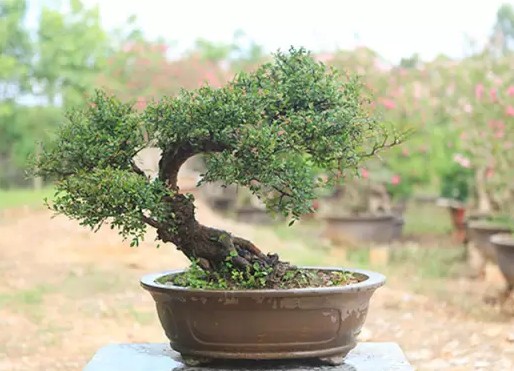
Detailed Guide to Making a Chinese Elm Bonsai, Easy to Learn at a Glance
Turning a tall, large tree species into a bonsai to display at home can add a sense of steadiness and elegance to the living space, and also add quite a bit of distinguished style. The Chinese elm (Ulmus parvifolia) bonsai naturally has this effect as well. Below, let's see how to make a Chinese elm stump bonsai. Pot selection: Chinese elm stump bonsai generally should use a glazed ceramic pot
-
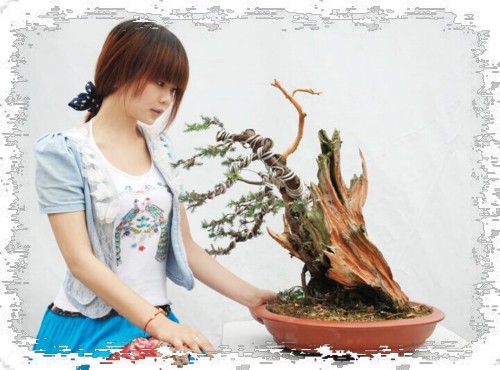
How to make a Chinese juniper bonsai? Detailed explanation of the techniques and methods
Chinese juniper, also known as juniper, Taiwan juniper, and needle pine, is an evergreen tree of the genus Juniperus in the Cupressaceae family. Its bark is brown, with longitudinal grooves, and peels off in strips. The branches are sparse and grow upward, while the branchlets droop, are triangular in cross-section, initially green, and later turn reddish brown. The leaves are borne in whorls of three, needle-shaped, with sharp tips, a slightly concave surface, and a slightly raised midrib
-
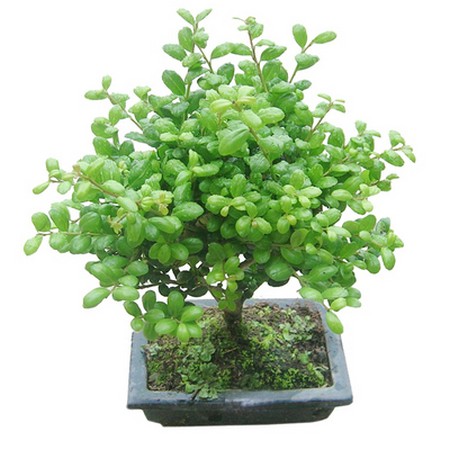
Detailed Explanation of the Production Methods and Techniques for Chinese Holly (Ilex crenata 'Convexa') Bonsai
Chinese Holly (Ilex crenata 'Convexa') gets its name because the raised surface of its leaves resembles a turtle shell. It is an evergreen small shrub of the genus Ilex in the family Aquifoliaceae. The old trunk is grayish-white or grayish-brown, and the leaves are elliptical, alternate, and entire. New leaves are tender green, while old leaves are dark green, relatively thick, leathery, and glossy. Its branches and trunk are vigorous and ancient-looking, and its leaves are dense and deep green, making it very suitable for making bonsai.
-
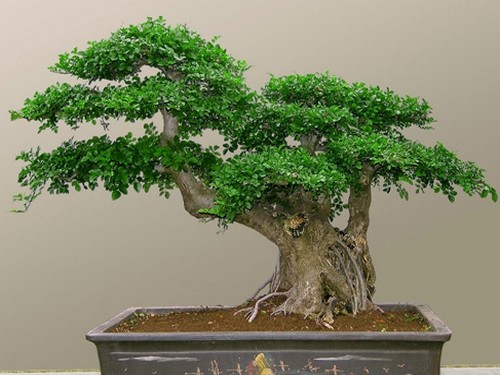
Detailed Guide to the Key Points and Precautions for Making Chinese Bonsai with Chinese Ash
As an ornamental and precious plant, Chinese ash (Fraxinus hupehensis) is the only rare tree species remaining in the world today, known as a living fossil. Key points for making bonsai: 1. Collection: same as usual. 2. Trunk preparation: complete trunk preparation in one go, trim the branch ends, root ends and wounds smooth, and seal them. Soak with disinfectant and rooting agent for 10-15 hours
条件筛选