-

Fertilization Techniques and Methods for Edible Fungi and the General Process of Canning
General Process of Canning Edible Fungi
-
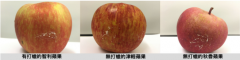
Is it better to peel apples or not? There's a difference between natural wax and processing wax on the peel
Apple winter management techniques are relatively difficult, but apples appear in the market all year round, and even in the refrigerator at home. Which waxes are natural fruit wax, and which are artificial fruit wax? And how should they be handled before eating to be safest? When buying apples at the market
-
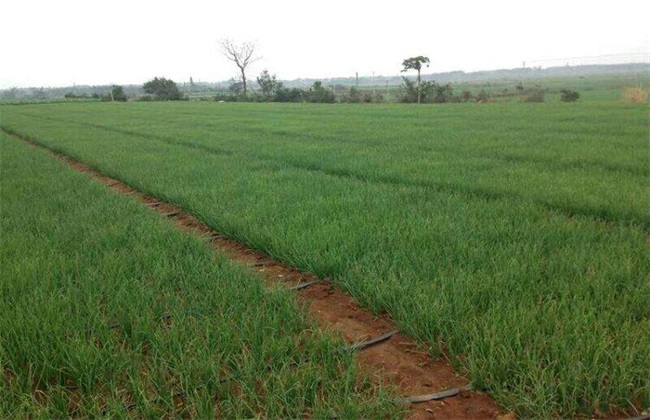
Detailed Guide to Shallot Cultivation Techniques: The Whole Process from Sowing to Field Management
Shallot Cultivation Techniques
-

Making a Living from the Sea, Processing with Brilliance: An Interview with Hirakawa Osamu, Editor-in-Chief of "Saeki · Amabe Food Communication"
Making a Living from the Sea, the Brilliance of Processing | An Interview with Hirakawa Osamu, Editor-in-Chief of "Saeki · Amabe Food Communication"
-
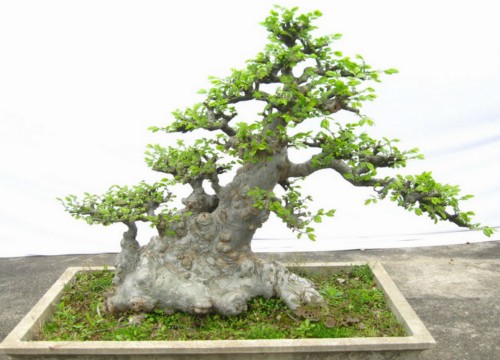
Detailed explanation of the process for making elm bonsai
Elm, especially old elm stumps that grow in the wild, have gone through many years of human chopping and hacking, or wind and rain erosion, animal gnawing, and so on, gradually forming many different strange postures. Some have gnarled roots and interlacing branches, vigorous and ancient; some turn decay into something magical, with dead roots and new leaves, opening up a world of their own, making them excellent material for making bonsai.
-
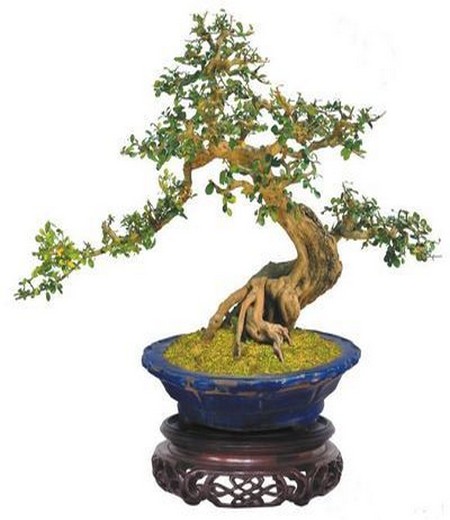
A detailed guide to the entire process of making boxwood bonsai, beginners can learn it too
Boxwood branches and trunks are grayish-white and smooth, with leaves as small as broad bean petals, thick and glossy, emerald green in all four seasons, and ornamental all year round. After pruning and wiring into cloud-layer forms, they are flat and thin as if shaved; or when accented with rocks, they become even more natural and exquisite. Boxwood bonsai has a graceful tree posture, leaves as small as broad bean petals, thick and glossy, evergreen through all four seasons, and can be enjoyed all year round. Yang-style boxwood bonsai
-
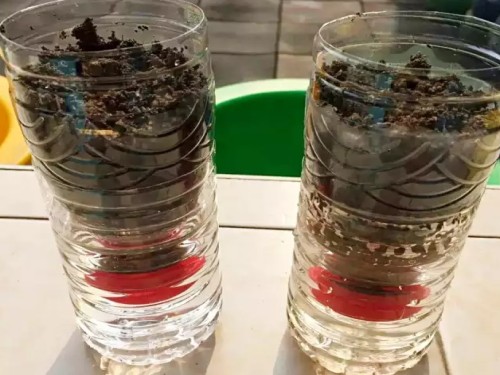
Impatiens Observation Diary: A Full Record of the Planting and Growing Process
Spring is a good season for sowing impatiens. On March 15 I planted the impatiens seeds. (Cut a beverage bottle open at the 1/3 point, punch a few holes in the bottle cap, put water in the bottom of the bottle, fill the bottle neck with loose soil, plant the impatiens seeds, and invert it into the bottle bottom; this keeps the soil moist.
-
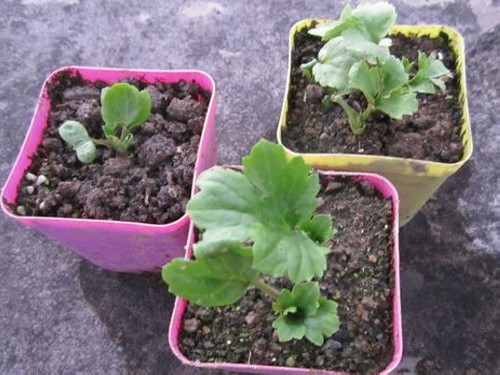
A Detailed Guide to Growing Ranunculus: The Complete Process from Sowing to Care
Ranunculus, also known as Persian buttercup or celery-leaved peony, is a perennial bulbous flower of the Ranunculaceae family. Ranunculus flowers are large and beautiful, often planted under trees, in clumps in lawns, and on the shady side of buildings; they are also suitable for cut flowers or potted cultivation.
-
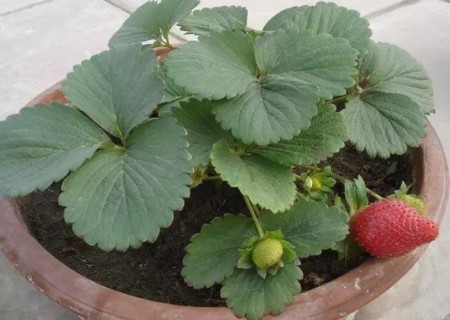
A Detailed Guide to Growing Strawberries from Seed: The Whole Process from Sowing to Seedling Emergence
Many friends have bought strawberry seeds, partly to beautify their homes, and partly to taste the joy of a harvest: to help first-time growers master the basic techniques, here is some relevant knowledge for you! At the same time, you are also welcome to share your own thoughts and experiences with everyone.
-
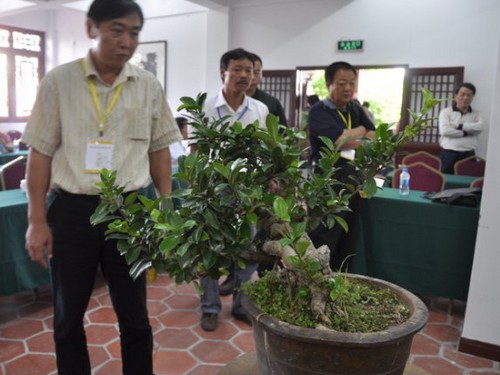
What ranges does proportion cover in the process of shaping bonsai and stump scenery?
Appropriate and harmonious proportion in bonsai art gives people pleasure, thereby producing aesthetic delight; conversely, it is difficult to evoke a resonance of beauty. In bonsai, "shrinking a dragon into an inch" and "a vast landscape within a foot" - the "inch" and "foot" clearly tell us that aesthetic factors of proportion are contained within. For stump scenery shaping, proportion is a broad concept.
条件筛选