Detailed Guide to Shallot Cultivation Techniques: The Whole Process from Sowing to Field Management
Shallot, also called small red garlic, has an oval bulb that is purplish red, and is a fairly unique seasoning vegetable. It is not commonly sold on the market now, but it is an allium plant with a very good flavor and high nutritional value, and it is also a good medicine for treating hemoptysis. If you invest in growing it, the returns should be good. Some people will certainly ask how this shallot should be grown, so I will introduce it to you next.
1. Site Selection and Land Preparation
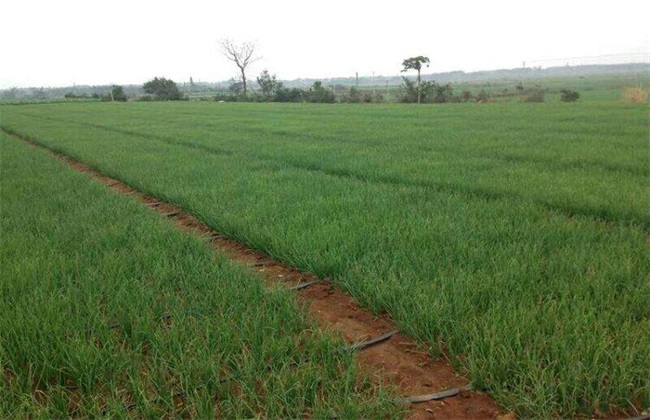
Choose fertile, deep, well-drained, water- and fertilizer-retentive, sunny, flat land, with no similar crops grown nearby, and a field that has not previously grown shallots or has not had common diseases. To prepare the land and form ridges, first plow the soil; a plowing depth of 15 cm is enough, since shallot bulbs are not large and the roots do not grow long. Break up all the soil finely, then sun-expose the land for one week; sowing can be done three days after spraying. The ridge surface should be no more than 1.3 m wide and no more than 8 m long.
2. Planting
Sow in autumn; the best time is from August to September, and seed bulbs saved from that summer can be used for planting. Choose healthy, plump bulbs for planting; generally plant one bulb every 5 cm, and do not plant too densely. The planting spacing between plants and rows is about 3 to 5 cm. When planting, you can directly dig holes 4 cm deep and 5 cm wide on the ridge surface, put the bulbs in directly, and cover with soil.
3. Water and Fertilizer Management
On very sunny days, water in the morning and evening when there is no sun, and keep the soil moist. Then the soil should always remain in a state of alternating dry and wet, and must not be allowed to dry out. In the rainy season, dig drainage channels to divert and drain water. Because the cultivation period is long, the base fertilizer must be sufficient, and then multiple topdressings are also needed. The base fertilizer should be a nitrogen-phosphorus-potassium compound fertilizer; apply 300 jin of compound chemical fertilizer per mu as the base fertilizer. In the early stage of plant growth, apply 40 jin of nitrogen fertilizer per mu as one topdressing. During the bulb enlargement stage, apply 300 jin of farmyard manure as one topdressing, for a total of two topdressings, and also supplement 2 kg to 3 kg of magnesium sulfate per mu, plus plant ash.
4. Weeding
Weeds often grow between the rows in allium crops, so pay attention to applying herbicide before planting. After planting, as soon as weed seedlings appear, pull them out promptly to avoid competing for the shallot's nutrients. Then, after rain, loosen the soil. Because the spacing between rows is generally dense, do not use tools such as a hoe; use a small wooden stick to loosen the soil, to a depth of about 5 cm, and do not damage the roots.
5. Seed Saving
After planting through the winter to March of the following year, begin selecting and cultivating bulbs for seed saving. Choose robust bulbs free of pests and diseases, and harvest them in May. Remove the stems and leaves above ground, clean the bulbs thoroughly, dry them slightly, then hang them in a dry, ventilated place.
The above are the cultivation techniques for shallots. I hope they will be helpful to you after reading. After learning and understanding this, you can grow them according to your own past experience with similar crops and in combination with the actual environmental and climatic conditions; the content here can provide some reference.