-
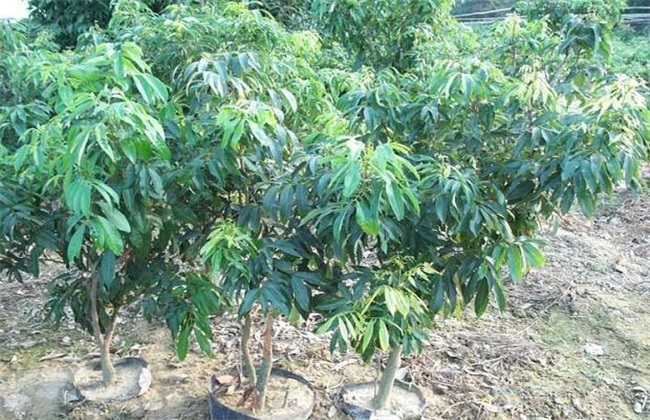
A detailed explanation of the lychee growth process, from flowering to fruiting
The growth process of lychee
-

Detailed Explanation of the Processing Technology for Dry-Packed Salted Almond Canned Goods
(1) Process flow: Raw material acceptance → sorting → cleaning → peeling → rinsing → color protection → pre-boiling → soaking → re-boiling → grading → seasoning mixing → canning → exhausting → sealing → inspection → sterilization → cooling (2) Description of operating points (1) Raw material acceptance: Use fresh, plump, dry almonds with white kernel flesh, free from insect damage, mold, and foreign matter. (2) Sorting: Remove insect-damaged, moldy, shriveled, broken and other substandard kernels and foreign matter. (3) Cleaning: Put the
-
Detailed Explanation of the Processing Methods and Technical Key Points for Crystal Jujubes
1. Material selection: Choose fresh jujubes harvested at the white-ripe or crisp-ripe stage as the raw material, ones that are free from damage, free from insect borers, free from wrinkles, uniform in size, and moderate in size. 2. Peeling: Add an appropriate amount of 7%-8% alkaline water solution to a pot resistant to alkali corrosion, heat to boiling, pour the fresh jujubes into the pot, and cook while stirring for 3-5 minutes. When the skins turn brown, immediately scoop them into a vat of 6% dilute sulfuric acid aqueous solution for acid-base neutralization for 10-15 minutes. When neutralized to pH 6-7, scoop out the jujubes, wash them clean with water
-
Detailed Explanation of the Processing and Production Method for Salted Sour Carambola (Starfruit) Brine Preserves
Carambola (starfruit) falls into two major types: one is crisp, clean and sweet, suitable for eating fresh or for processing into carambola juice, carambola in syrup canned goods, and the like. Whether eaten fresh or processed, its quality and flavor are quite good. The other type is extremely sour and astringent, mostly grown in mountainous areas without any special cultivation by people. Because of its strong sourness, this kind of sour carambola is not suitable for eating fresh, but it can serve as a raw material for sugar-preserved products. To store the raw material, it can first be made into a semi-finished salted brine preserve. There are two methods for making the salted brine preserve. One is the brine curing method: prepare a 5-8% salt solution to
-
What are the excellent apricot varieties for both fresh eating and processing?
The main apricot varieties for both fresh eating and processing include Dahong Apricot, Yangshao Huang Apricot, Chuanzhi Hong Apricot, Shanhuang Apricot, Shajin Apricot, Jinxi Dahong Apricot, Zhanggongyuan Apricot, Laoshan Hong Apricot, Jinzhen Apricot, etc. (1) Dahong Apricot: also known as Guanyelian, mainly grown in Laoshan, Shandong. The tree is moderately vigorous with medium yield. The fruit weighs 50 g, is orange-red, with fine, relatively crisp and firm flesh, a sweet and slightly sour taste, and aroma. Quality is superior. It is freestone with bitter kernels, stores and ships well, and ripens in late June. (2) Yangshao Huang Apricot: also known as Jidan Apricot, produced in Mianchi County, Henan Province. The tree is relatively
-
What issues should be noted during the processing of yellow peaches?
Influenced by international yellow peach market prices, domestic yellow peach prices have been climbing steadily, with purchase prices maintained at 2-3.6 yuan/kg, an average price of 2.6 yuan/kg, and average output value of yellow peach orchards at 7800 yuan/mu, with the highest reaching 10,000 yuan, generally 2-5 times that of ordinary peach orchards, showing very significant economic benefits. 1. Pay attention to selecting excellent varieties: Yellow peach varieties used for canning require non-melting flesh, firm texture, good elasticity, low juice content, clingstone, no red streaks in the flesh, and preferably no
-
A Complete Analysis of the Processing Technology and Methods for Fresh Peach Fruit Tea
Fresh peach fruit tea is one of the most popular fruit juice drinks on the market today. Its processing technology is introduced as follows: 1. Raw material selection: Select fully ripe, fresh peaches with good flavor, abundant juice and no pests or diseases. Peaches that are not ripe enough should undergo after-ripening. 2. Raw material pretreatment: 1. Cleaning. After the raw materials are selected, wash and brush them with clean water to remove the fuzz. After cleaning, rinse them in a 1% hydrochloric acid solution or detergent solution to remove residual pesticides, then rinse them again in clean water and drain.
-
Detailed Explanation of the Development Process for Golden Sun Apricot Jam
Golden Sun apricot is a European apricot variety introduced by the Shandong Institute of Pomology in 1993. The fruit surface is smooth, the background color is golden yellow, and the sunny side has a red blush, making the fruit color very attractive. The flesh is yellow, fine and juicy, with few fibers, containing 14.7% soluble solids, 13.1% total sugar, and 1.1% titratable acid. The average single fruit mass is 70g, the stone is free, and the edible rate reaches 96.8%. The fruit matures at the end of May and has the ability to set fruit parthenocarpically. It is early-bearing, high-yielding, and stable-yielding, and is resistant to pests and diseases with strong adaptability. In view of Golden Sun
-
Detailed explanation of the jujube processing workflow
1. Workflow: raw material selection → scoring → sulfur fumigation → boiling → drying → grading and packaging → finished product. 2. Key operating points. Material selection: choose fruit that is uniform in size, thin-skinned, with loose flesh and little juice, harvested at the white-ripe stage, free of pests, diseases and mechanical damage. Scoring and sulfur fumigation: first sort the raw material into several grades by size; to facilitate sugar penetration, cut fine lengthwise stripes on the surface of the jujube, 70-80 cuts per fruit, with a depth reaching half the thickness of the flesh; immediately after scoring, fumigate with sulfur, using sulfur
-
Full detailed explanation of the whole process of making candied jujubes
Candied jujubes are a dry-form preserved fruit made by processing fresh jujubes. Lianzhou candied jujubes and Guangxi Wuzhou candied jujubes are relatively famous. The processing technique is as follows: 1. Raw material selection: generally it is advisable to choose varieties with large fruit, small pits, loose flesh, thin but tough skin, and relatively little juice. The best fruit maturity is when the green color begins to fade and the fruit turns milky white. 2. Grading: grade the jujube fruits by size, and remove deformed jujubes, jujubes with pests or diseases, overripe jujubes, and damaged jujubes. 3. Slitting: in order to facilitate sugar penetration and flattening into shape, slits are usually cut on the fruit surface,
条件筛选