-
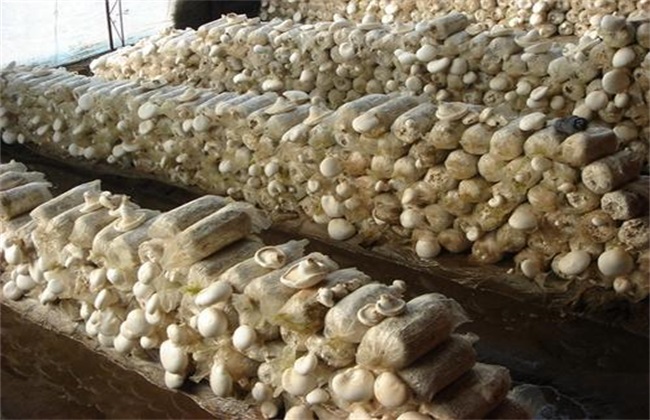
A Detailed Explanation of the Full Cultivation Process of the White Lingzhi Mushroom
Cultivation Techniques for the White Lingzhi Mushroom
-
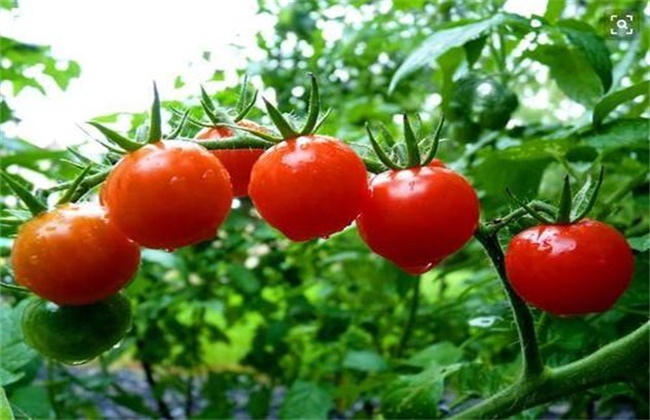
A detailed guide to tomato planting and management steps, mastering the whole process in one article
Tomato planting and management steps
-
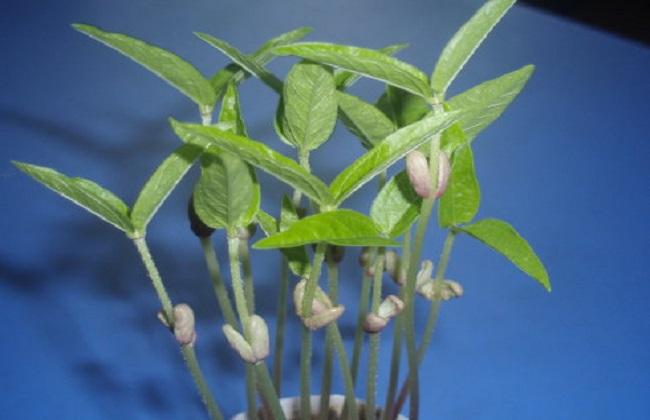
Detailed explanation of the growth process of mung beans from sowing to maturity
The growth process of mung beans
-
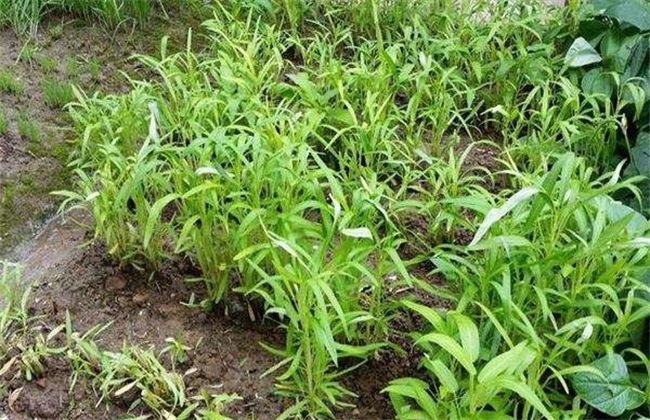
Water Spinach Cultivation Techniques Explained: The Full Process from Sowing to Harvest
Water Spinach Cultivation Techniques
-
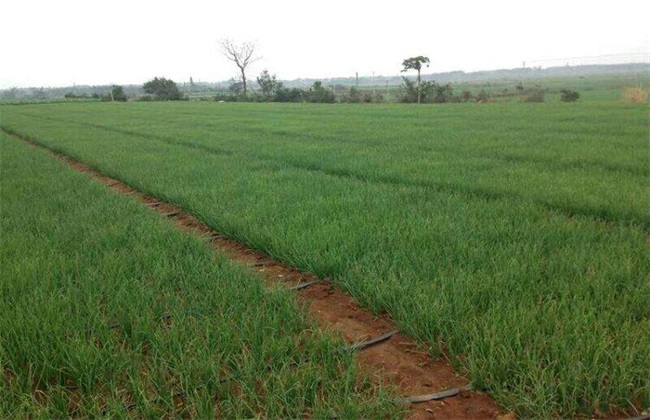
Detailed Guide to Shallot Cultivation Techniques: The Whole Process from Sowing to Field Management
Shallot Cultivation Techniques
-

Detailed Guide to Cilantro Growing Techniques: The Full Process from Sowing to Harvest
Cilantro Growing Techniques
-

Detailed Explanation of Mechanized Potato Production Technology Throughout the Entire Process
Shawan County has an annual potato planting area of 2,250 hectares, which has become a new highlight for increasing the income of farmers and herders in cool and cold regions. Because the traditional manual planting and harvesting methods are backward, labor-intensive, and low in efficiency, it is difficult to achieve large-scale operation. Through practice, advanced potato seeders and harvesters were introduced, and a mechanized technology for the entire potato production process was summarized. At present, this technology has been fully promoted. 1. Pre-planting preparation 1. Soil conditions Choose loam or sandy loam with deep soil layers, high organic matter content, loose and easily crumbled texture, good permeability, and medium or higher fertility.
-
How is candied potato processed? A full breakdown of the detailed processing technique
1. Material selection: Select potato tubers that are uniform in size, plump, smooth on the surface, and free of green spots to make candied potato. 2. Shaping: Wash the soil off the tubers with clean water, remove the skin and wash again, then cut into blank pieces of various shapes as needed. 3. Soaking: Put the shaped blanks into a container, pour in a certain concentration of dilute limewater and soak for 16 hours, then take them out and rinse in clean water 4 times, 2 hours each time. 4. Boiling the blanks: Put the soaked blanks into boiling water and boil for 20 minutes, then put them into clean water
-
What are the methods for processing garlic into garlic powder?
1. Material selection: Choose garlic that has yellow leaves and withered stalks at harvest, with large heads, white clove flesh, no pests or diseases, and no mechanical damage as the raw material, and remove any substandard parts. 2. Soaking: Wash the selected garlic clean with cold water, separate into cloves, soak in cold water for about 1 hour, rub off the skin, scoop out the garlic cloves, and drain off the remaining water. 3. Pulping: Put the drained garlic cloves into a pulping machine and crush them into a pulp. During pulping, add 1/3 clean water to the garlic cloves; after pulping, filter the garlic paste through coarse gauze to remove residual skin and other impurities. 4. Dehydration: Use
-
What are the processing methods for garlic feed additives?
I. The role of garlic in livestock and poultry production 1. Adding peeled and chopped raw garlic to broiler chicken feed at a ratio of 3%-5% can not only increase the appetite of broiler chickens, improve chicken meat quality, and make the chicken meat aroma richer, but also significantly increase the daily weight gain of broilers. Adding 0.2% dried garlic powder to chick feed can increase the survival rate of chicks by 5.8%-15.6%; adding 2% garlic premix to the diet of laying hens can increase the egg production rate by 98%; adding 2% to the diet of meat-type and breeding chickens
条件筛选