-
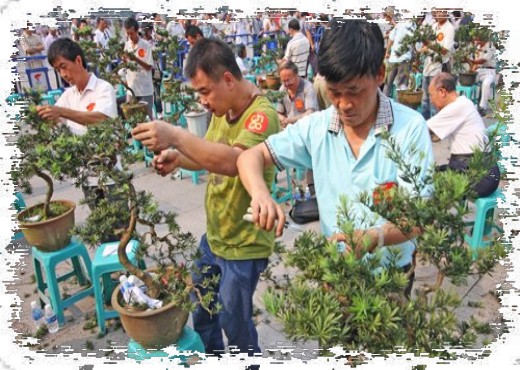
A Detailed Guide to the Processing and Shaping Methods for Bonsai Tree Stock
Seedlings grown from a young age generally begin to be processed and shaped after about 3 to 5 years; for tree stumps collected from the mountains and wilds, most can be processed and shaped after just one year of stock cultivation. Before processing, field-grown tree stock can be dug up and temporarily planted in a pot of basically suitable size, to make it easier to work with and shape. Large tree stock can also be processed and shaped on the spot.
-
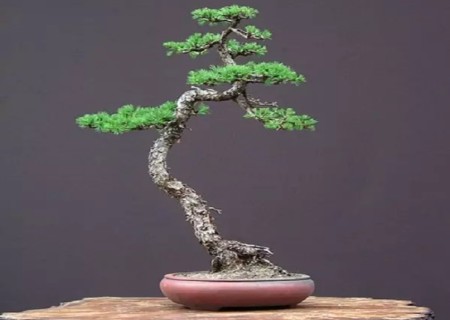
Illustrated guide to the whole process of styling a literati tree bonsai, teaching you step by step
Literati trees often use vivid, distinctive, fresh and exquisitely skilled artistic imagery to give the best interpretation of the lofty, proud aspirations, the solitary elegance and the untrammeled, independent humanistic spiritual pursuit of Chinese intellectuals since ancient times; literati trees are more about expressing oneself, while Suren style is more
-
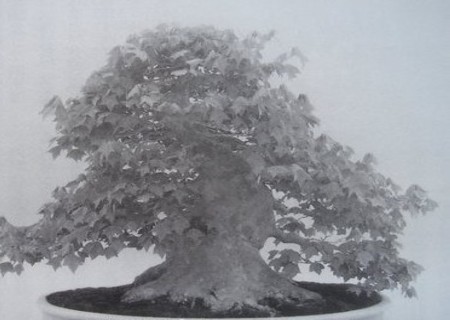
How to prune a maple bonsai? The whole process explained with illustrations so you understand at a glance
The best viewing period for maples is when the new leaves have just unfurled. If all the leaves are removed in late summer and a thin, diluted application of decomposed liquid fertilizer is given, new leaves will grow in about 20 days, adding another best viewing period. Maples have strong sprouting vigor and often produce new buds on the trunk. Any buds not needed for the design and any overly dense branches
-
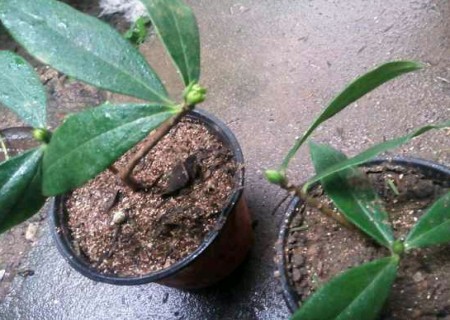
How to Propagate Daphne by Cuttings? A Step-by-Step Illustrated Guide to the Whole Cutting Propagation Process
Daphne is mostly propagated by two methods: cuttings and air layering, among which cuttings are the main propagation method, and it can usually be done in spring, summer and autumn. Spring cuttings are best done in February-March; summer cuttings are best done in June-July; autumn cuttings are best done in August-September. But no matter which season you take cuttings in
-

A detailed guide to the whole process of rose cuttings, with step-by-step illustrations
Roses can be propagated from cuttings in all four seasons. In spring and summer, softwood cuttings can be used for propagation, while in autumn and winter, hardwood cuttings are mostly used. Below is a detailed illustrated guide to the cutting process for getting roses to root quickly, shared by the editor, in the hope that it will help everyone with rose cuttings: Preparing materials
-

How to make a root-on-rock bonsai? Detailed step-by-step illustrated guide to the whole process
Generally, stump bonsai are made by planting the tree stump directly in the potting soil, which makes them relatively easy to create and care for. But if the stump looks as if it grew on and from the rock, that is a distinctive root-on-rock style stump bonsai. There are many kinds of ornamental stones, but hard, non-absorbent mountain rocks are generally not used, because otherwise they are not only difficult to work
-
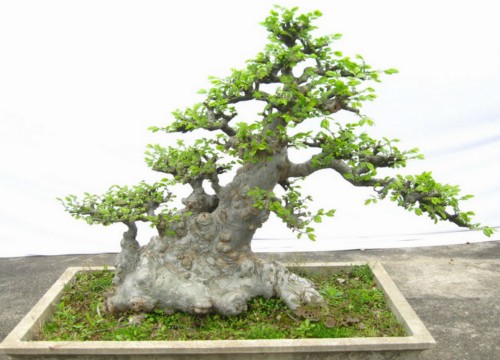
Detailed explanation of the process for making elm bonsai
Elm, especially old elm stumps that grow in the wild, have gone through many years of human chopping and hacking, or wind and rain erosion, animal gnawing, and so on, gradually forming many different strange postures. Some have gnarled roots and interlacing branches, vigorous and ancient; some turn decay into something magical, with dead roots and new leaves, opening up a world of their own, making them excellent material for making bonsai.
-
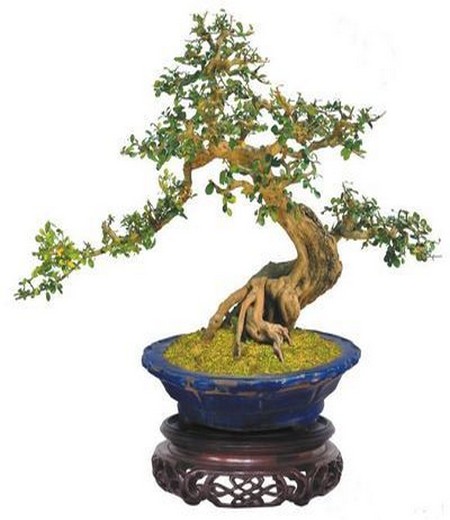
A detailed guide to the entire process of making boxwood bonsai, beginners can learn it too
Boxwood branches and trunks are grayish-white and smooth, with leaves as small as broad bean petals, thick and glossy, emerald green in all four seasons, and ornamental all year round. After pruning and wiring into cloud-layer forms, they are flat and thin as if shaved; or when accented with rocks, they become even more natural and exquisite. Boxwood bonsai has a graceful tree posture, leaves as small as broad bean petals, thick and glossy, evergreen through all four seasons, and can be enjoyed all year round. Yang-style boxwood bonsai
-
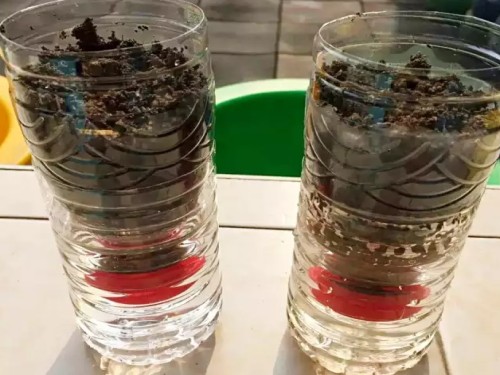
Impatiens Observation Diary: A Full Record of the Planting and Growing Process
Spring is a good season for sowing impatiens. On March 15 I planted the impatiens seeds. (Cut a beverage bottle open at the 1/3 point, punch a few holes in the bottle cap, put water in the bottom of the bottle, fill the bottle neck with loose soil, plant the impatiens seeds, and invert it into the bottle bottom; this keeps the soil moist.
-
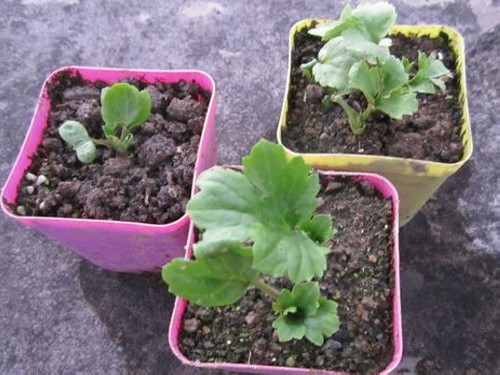
A Detailed Guide to Growing Ranunculus: The Complete Process from Sowing to Care
Ranunculus, also known as Persian buttercup or celery-leaved peony, is a perennial bulbous flower of the Ranunculaceae family. Ranunculus flowers are large and beautiful, often planted under trees, in clumps in lawns, and on the shady side of buildings; they are also suitable for cut flowers or potted cultivation.
条件筛选