-
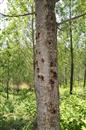
Key Points and Methods of Poplar Fertilization Techniques Explained
Poplar canker (rot disease) mainly occurs on the trunk and branches of poplar trees. After the disease develops, the cortical tissue of the trunk and branches rots, loses water, sinks, and cracks, with a smell of distillers' grains. When the diseased area encircles the trunk or branch completely, the entire upper part dies. The disease occurs twice a year, and when the temperature is above 7°C, ...
-
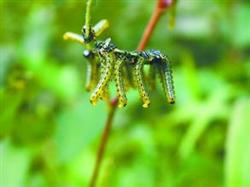
Integrated Control Techniques and Methods for Poplar Leaf-eating Pests
Poplar is deeply favored by people for its excellent characteristics such as fast growth, suitability for a wide range of growing sites, and outstanding economic benefits. However, as the planted area of poplar gradually expands, especially with the increasing development of pure stands, outbreaks of poplar leaf-eating pests continue to occur, so integrated control of poplar leaf-eating pests is very...
-
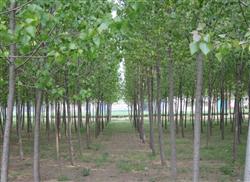
Detailed Explanation of Key Cultivation Techniques for Fast-growing and High-yield Poplar Plantations
In order to achieve fast growth, high yield, and high quality and efficiency in poplar, scientific cultivation techniques must be applied. Based on the research results and practical experience of poplar cultivation techniques in our province, the following key technical points should mainly be mastered: 1. Site selection. Selecting afforestation land suitable for poplar growth is the basic condition for achieving fast-growing and high-yield poplar...
-
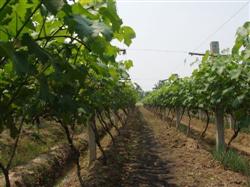
What are the key points of summer management techniques for trellised grapes?
How should trellised grapes be managed in summer? Please give an introduction to the management methods. Trellised grapes can be managed in summer by referring to the following methods: 1. Bud removal and shoot removal: Remove the weak lower shoots, keep an appropriate amount of lower buds and shoots, and do not favor keeping the strong upper shoots, otherwise the fruiting position will very easily move upward. 2. Number of shoots retained: Control the number of shoots retained...
-
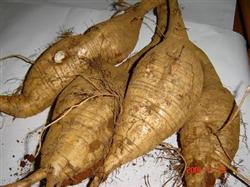
Detailed Explanation of Key Points for High-Yield Cultivation Techniques of Kudzu
Kudzu, also known as fen ge, with its vine belonging to the genus Pueraria in the Fabaceae family, is rich in starch, isoflavones, and more than ten kinds of trace elements essential to the human body such as calcium, selenium, iron, copper, phosphorus, and potassium. It has effects such as "relieving exterior symptoms and reducing fever, promoting fluid production and quenching thirst, stimulating appetite and aiding digestion, treating hemorrhoids, and preventing cancer." It is an emerging green health and longevity food...
-
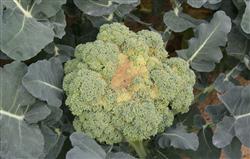
Cauliflower Cultivation Methods and Pest and Disease Control Techniques
How to grow cauliflower and control pests and diseases? Please note that cauliflower should be transplanted on a cloudy day or on a sunny afternoon, and watered thoroughly after transplanting. Do not transplant too deeply; the soil of the nutrient cup should be level with or slightly above the soil surface, and apply enough water to settle the roots. If there has been a long dry spell and the soil is dry, it is best to fill the furrows with water before transplanting and moisten the bed surface...
-
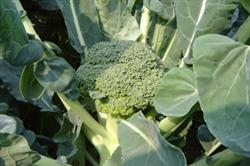
Heat-Tolerant Cauliflower Cultivation Methods and Key Growing Techniques
How do you grow heat-tolerant cauliflower? Here is an introduction to heat-tolerant cauliflower cultivation methods you can refer to: 1. Variety selection: choose cauliflower varieties with strong growth, good heat tolerance, strong disease resistance and early maturity. 2. Sow at the right time: the sowing period should be determined according to the characteristics of the variety and the climate conditions of each region...
-
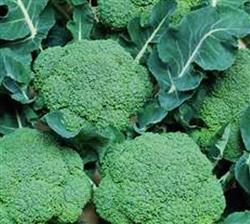
How to Grow Broccoli for High Yield: A Detailed Explanation of Key Cultivation Techniques
How to grow broccoli for high yield? Here is an introduction. To achieve high yield when growing broccoli, you can refer to the following cultivation methods: 1. Variety selection: choose mid-early maturing, high-quality varieties for planting. 2. Sowing time and method. (1) Sowing time: sow in a greenhouse in early January. (2) Sowing method...
-
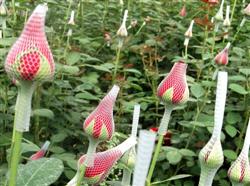
Detailed Explanation of Red Rosewood Cultivation Techniques and Management Methods
Red rosewood, Ochrosia coccinea, is a plant in the genus Ochrosia of the family Apocynaceae, distributed from Madagascar to Polynesia in the Pacific. Red rosewood is an evergreen small tree; the whole plant has white latex, the stems and branches are gray, and the young branches are bright green. The leaves are attractive in shape, nearly leathery or firmly papery, usually...
-
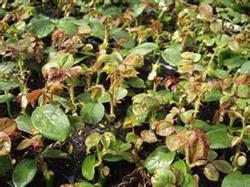
Detailed Explanation of Rose Propagation Methods and Cultivation Techniques
Rose Propagation Methods: Rose propagation methods can be divided into sexual propagation and asexual propagation. The main cultivated varieties in production - Pingyin double-petaled red rose, abundant-flower rose, purple-branch rose and other double-petaled varieties - are all propagated by asexual propagation. Asexual propagation includes division, root burial, grafting and softwood cuttings, with the most widely used...
条件筛选