Integrated Control Techniques and Methods for Poplar Leaf-eating Pests
Poplar is deeply favored by people for its excellent characteristics such as fast growth, suitability for a wide range of growing sites, and outstanding economic benefits. However, as the planted area of poplar gradually expands, especially with the increasing development of pure stands, outbreaks of poplar leaf-eating pests continue to occur, so integrated control of poplar leaf-eating pests is very...
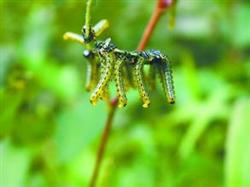
Poplar is deeply favored by people for its excellent characteristics such as fast growth, suitability for a wide range of growing sites, and outstanding economic benefits. However, as the planted area of poplar gradually expands, especially with the increasing development of pure stands, outbreaks of poplar leaf-eating pests continue to occur, so integrated control of poplar leaf-eating pests is very important.
Species: The main poplar leaf-eating pests include Clostera anachoreta, Micromelalopha troglodyta, Botyodes diniasalis, and Phyllocnistis populiella. The first two species produce 3 to 4 generations per year, and the latter two produce 4 generations per year.
Characteristics: The above four poplar leaf-eating pests have many generations per year, lay large numbers of eggs, are gregarious, and consume large amounts of foliage, making them very likely to break out into disaster within a short period (3 to 5 days), eating all the leaves bare and creating the tragic sight of a "summer tree in winter scenery." In addition, these four poplar leaf-eating pests have a long damage period, accompanying almost the entire leaf growth period of the poplar.
Control measures
1. Establish mixed forests. Starting with silvicultural measures and combined with regeneration harvesting, establish mixed forests, such as mixed planting of poplar and Catalpa bungei, and mixed planting of poplar and Paulownia, with patch-shaped mixed forests being preferable.
2. Manual control. Promptly prune out pest bags and kill the larvae inside, or during the egg hatching period spray 25% diflubenzuron suspension concentrate at 2500 times dilution, with a dosage of 30 to 40 grams per mu.
3. Light trapping. From early to late July, black light lamps can be used to trap and kill adults.
4. Biological control. Protect beneficial birds such as magpies, sparrows, and cuckoos; spray with Bacillus thuringiensis or wettable BT powder; release Trichogramma wasps at the peak of egg hatching (20000 to 40000 per mu), and also plant nectar source plants such as rapeseed around the poplar forest to provide a suitable growing environment for natural enemies of leaf-eating pests such as Trichogramma wasps, ichneumon wasps, and ladybugs.