How to Grow Broccoli for High Yield: A Detailed Explanation of Key Cultivation Techniques
How to grow broccoli for high yield? Here is an introduction. To achieve high yield when growing broccoli, you can refer to the following cultivation methods: 1. Variety selection: choose mid-early maturing, high-quality varieties for planting. 2. Sowing time and method. (1) Sowing time: sow in a greenhouse in early January. (2) Sowing method...
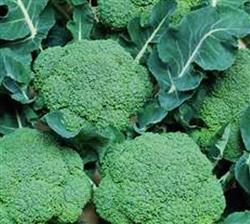
How to grow broccoli for high yield? Here is an introduction.
To achieve high yield when growing broccoli, you can refer to the following cultivation methods:
1. Variety selection
Choose mid-early maturing, high-quality varieties for planting.
2. Sowing time and method
(1) Sowing time: sow in a greenhouse in early January.
(2) Sowing method
1. Use seedling trays for raising seedlings
2. For seedling raising, choose a good seedling site and prepare the sowing bed. First, finely prepare the soil, apply 2 kg of organic fertilizer and 100 g of compound fertilizer per sq m, mix evenly, and rake the bed surface level. About 5-6 sq m of seedling bed is needed per 667 sq m of broccoli. Before sowing, water the seedling bed thoroughly. Broadcast dry seeds at 5 g per sq m, then cover with a layer of fine soil after sowing.
3. Cultivation techniques
(1) Seedling stage management
1. Cotyledon stage management. For spring seedling raising in January to March, pay attention to cold protection and insulation of the seedling bed. The seedling bed temperature should be maintained at 20-23°C, and the minimum temperature should not be lower than 10°C. The seedling bed is best placed in a greenhouse.
2. Seedling separation stage management. About 15 days after sowing, when the two cotyledons are sturdy and the true leaves are emerging, the seedlings can be separated. Before separating seedlings, spray the seedling bed thoroughly with water. Seedling separation can use two methods: nutrient soil and field seedlings. Management during seedling separation is generally to water when dry and withhold when not dry, avoiding spraying when not dry, to prevent seedlings from becoming leggy.
(2) Field planting
1. Select strong seedlings for field planting. 30-35 days after sowing, that is, mid to late February, once seedlings have grown 5-7 leaves, they can be planted out. Select strong seedlings when planting.
2. Prepare the soil and make beds. Make small raised beds 120 cm wide. If conditions permit, lay plastic film.
3. Field planting method. Before planting, water the seedlings thoroughly. Plant seedlings with a soil ball to reduce root damage, then water immediately after planting. For spring greenhouse broccoli, the plant spacing and row spacing are mostly 55 cm, with 2500-2700 plants per 667 sq m.
(3) Field management after planting
1. Temperature and humidity management. When the temperature inside the shed exceeds 25°C at noon, open the side vents for ventilation until the greenhouse temperature drops, then close the greenhouse side vents.
2. Light. Promptly wipe dust off the greenhouse film to reduce shading by the film.
3. Fertilizer and water management. The general principle is to water about once every 15 days. After watering, cultivate the soil to regulate soil temperature and humidity and promote root growth.
4. Pruning and removing side shoots. Promptly remove the plant's side branches and side heads.
(4) Pest and disease control
1. Common broccoli diseases: downy mildew, brown rot, and black spot.
Control methods:
(1) Strengthen cultivation management, fertilize in a balanced way, and rotate with vegetables that are not in the cruciferous family.
(2) Seed disinfection: treat seeds with 40% thiram.
(3) Chemical control. ① Downy mildew. 40% fosetyl-aluminum wettable powder at 300 times. ② Brown rot. 70% thiophanate-methyl wettable powder at 600 times. ③ Sclerotinia rot. 70% thiophanate-methyl wettable powder at 600 times.
2. Common broccoli insect pests: diamondback moth, cabbage caterpillar, and aphids.
(5) Harvest
Broccoli should be harvested promptly when the head diameter reaches 12-15 cm, the head is tight rather than loose, the small buds are fine, and the color is green.
Click to get more cauliflower and broccoli cultivation techniques
Click to get more vegetable cultivation techniques