-
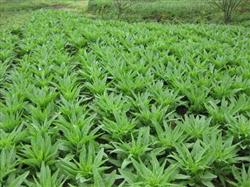
Detailed Explanation of Key Techniques for Low-Temperature Germination of Lettuce
The temperature range for germination of lettuce and celery seeds is 5-25°C; germination is impeded above 30°C. When sowing lettuce and celery in summer and autumn, the air temperature is relatively high, so subjecting the seeds to low-temperature treatment can promote earlier and more uniform emergence. For low-temperature treatment, first wrap the seeds in gauze and soak them in well water at a temperature below 25°C. Lettuce...
-
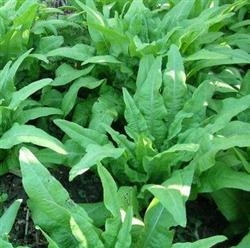
How to Apply Topdressing to Lettuce: Detailed Explanation of Application Techniques
Lettuce is topdressed a total of 3 times throughout its whole growth period. The first topdressing is carried out 15 days after seedling establishment, applying 12 kg of urea per 667 sq m (1 mu) to promote seedling tillering and sturdy growth; the second topdressing is carried out at the early head-forming stage. The third topdressing is carried out at the mid head-forming stage to promote full and swollen heads. Each time per 667 sq m (...
-
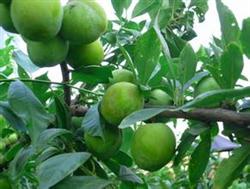
Detailed Explanation of the "Three Early" Cultivation Techniques for Plums
In recent years, plum trees have developed rapidly. As the area has increased, standardized cultivation and management techniques have become fundamental to efficient plum orchards. 1. Planting techniques 1.1 Variety arrangement Due to climatic constraints, varieties suitable for growing in our city should be selected, including Dazi Li, Yuhuang Li, Suiling Li, etc. Most plum varieties are self-fruitful...
-

Detailed Explanation of Key Management Techniques for Plum Trees During the Flowering and Fruiting Period
Management of plums during the flowering and fruiting period: Plum trees flower easily and have a high fruit-setting rate, but the fruit is small. To improve fruit quality, in addition to strengthening soil and fertilizer management and adopting summer pruning to control vegetative growth, flower and fruit thinning management should be carried out. Thin flowers during the flower bud swelling stage (late March), leaving one flower cluster branch and removing the next; at 20 to 30 days after flowering...
-
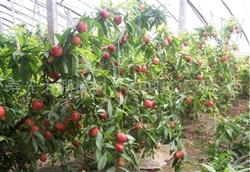
Greenhouse Nectarine Management Techniques at a Glance
To prevent flower and fruit drop in greenhouse peach trees, start with the following points: strengthen comprehensive management and ensure nutrient supply. The fruit-setting rate and the development of young fruit are closely related to the supply of nutrients. First, late-stage management from the previous year must be strengthened to form good flower buds and raise the nutrient level, such as protecting leaves in autumn, ...
-
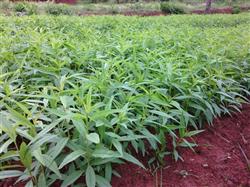
Detailed explanation of yellow peach seedling cultivation techniques, teaching you scientific seedling raising
Yellow peach seedling cultivation techniques 1. Introduction: Yellow peach saplings are seedlings of the yellow-fleshed peach type, belonging to grafted seedlings, raised by grafting onto peach seedling rootstock. Yellow peach originated in China, and many yellow peach varieties are cultivated in our country, so yellow peach saplings can be divided into three categories: first, seedlings of fresh-eating yellow peaches such as Fenghuang seedlings, Jinhuang seedlings, etc.; second,...
-
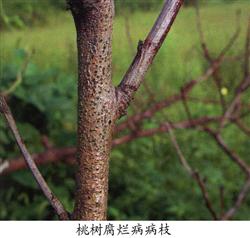
Efficient management techniques for peach trees to help achieve high yields
Peach tree rot, also known as dieback disease, causes branches to wither and die after the tree is affected, forming canker lesions on large branches and the trunk. If not treated in time, it quickly causes the entire tree to die. The main causes of this disease are: frost damage and extensive management; improper fertilization and years with abundant autumn rain, which delay the peach tree's dormancy and reduce the tree's cold resistance. It has...
-
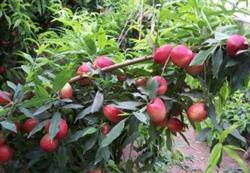
What are the pollution-free cultivation and management techniques for fresh-eating peach trees?
Pollution-free means that under specific conditions, the production environment, production techniques and product quality meet the requirements of the relevant national standards and regulations; the production environment quality meets the requirements of GB/T18407.2-2001; the production regulations of NY/T5114-2002 are implemented; during production, limited amounts of restricted chemical fertilizers, pesticides and other synthetic substances are permitted; and product quality...
-
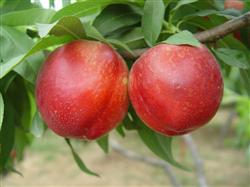
Detailed Explanation of Key Nectarine Cultivation Techniques, Easy for Beginners to Master
Nectarine cultivation techniques are basically the same as those for other peach trees, but in order to fully preserve the characteristics of the variety and achieve high and stable yields, the following key cultivation techniques are proposed: 1. Site selection. Nectarine has a relatively short dormancy period, sprouts and blooms early, likes sunlight, is not tolerant of shade, fears waterlogging, and is not suitable for clay soil. Therefore, plots should be selected that have relatively high temperatures...
-
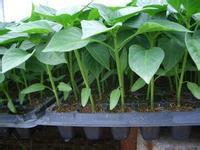
Detailed Explanation of Key Techniques for Raising Pepper Seedlings in Protected Cultivation
Seedling raising time and seedling stage. For spring cultivation of peppers in protected cultivation, sowing and seedling raising is generally carried out from January to February, with a seedling age of 90 to 110 days. Sow at the appropriate time according to the planting period. Seedling raising facilities. (1) High-efficiency energy-saving solar greenhouse; (2) Insulated improved solar seedbed; (3) Plastic greenhouse, small arch shed plus plastic film mulching and straw curtains. Seed...
条件筛选