-
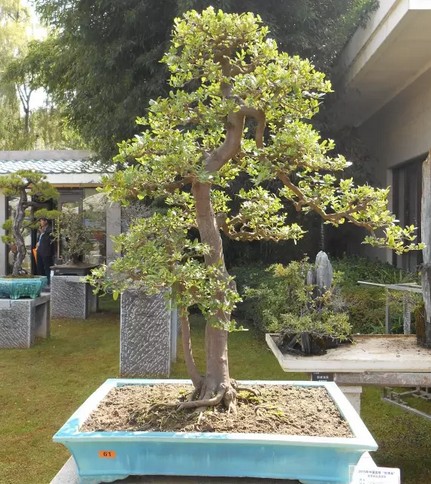
Detailed Explanation of the Key Technical Points for Formal Upright Bonsai Styling
The styling characteristic of the formal upright style is a trunk that is upright or basically upright, belonging to the tall and vigorous tree type, and is also the basic tree form of arbor species. (1) Selecting the planting material. An excellent planting material should have the following characteristics: (1) A perfect root spread. (2) A rugged, upright trunk base. (3) A trunk of moderate thickness, becoming progressively thinner toward the top.
-
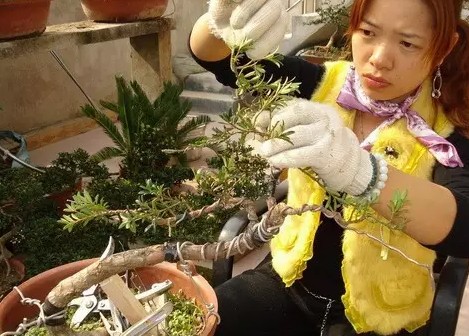
Detailed Explanation of the Styling Techniques and Methods for Podocarpus Bonsai
Podocarpus (yew plum pine) stays green all year round, has short branches and dense leaves, and grows slowly. Resources of small-leaved tree species are relatively scarce. Using cuttings to propagate and create small bonsai not only provides creative material but also helps protect the ecological environment. In a sand bed for seedling cultivation in a greenhouse, Podocarpus can be propagated by softwood cuttings.
-
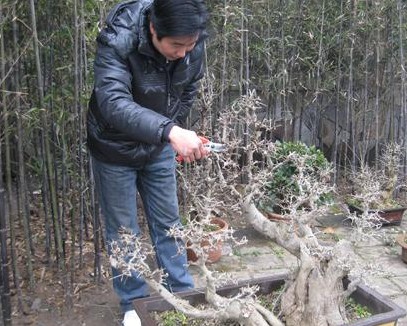
How to achieve harmony when styling tree bonsai
In the creation of tree bonsai, a bonsai worthy of being called an excellent work must have all its parts integrated into one body, unified and harmonious. Otherwise, it is not a good work. In styling, the various ornamental parts of the bonsai, including trunk, branches, leaves, flowers, fruit and roots, should be mutually unified and harmoniously developed
-
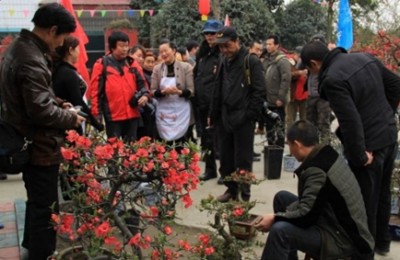
Detailed Explanation of Techniques and Methods for Shaping and Styling Begonia Bonsai
Begonia shaping and processing often combines wiring and pruning, and the processing period is best from after leaf drop in winter to before bud break in spring. During the plum rain period, new branches have grown relatively mature and the branches are quite flexible, so it is also suitable for pruning and wiring. Seedlings 2 to 3 years old can begin to be processed; at this stage they are highly malleable and easier to work with
-
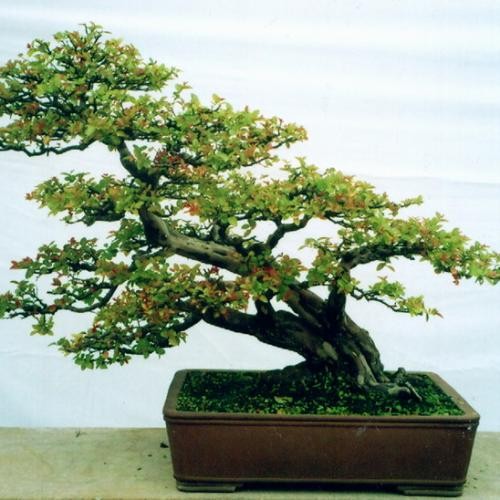
A Detailed Explanation of the Styling Methods and Techniques for the Cascade-on-the-Ground Style of Bonsai
The cascade-on-the-ground style and the slanting style are related; the so-called kinship only refers to the related effect of one following on after another. If a slanted tree cannot be fixed and stabilized, it will eventually topple over completely because of loss of balance. In woodland areas, large trees of this kind of form are generally commonly seen lying across the ground. Speaking of this, I would like to talk about a digression.
-
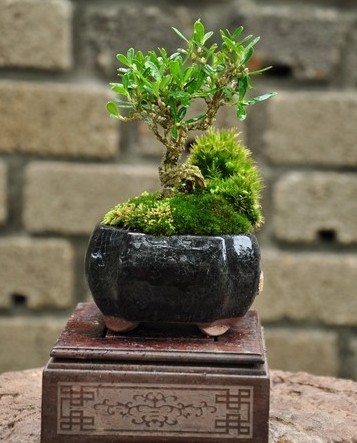
What should bonsai styling be based on
Cultivating and creating bonsai is a topic that every participant is eager to discuss and interested in, but people often each go their own way, assuming they are right, and run into all kinds of doubts and technical deviations, so this chapter mainly focuses on discussing its scientific nature and rationality from a direct entry point, for everyone to make a preliminary analysis and study
-
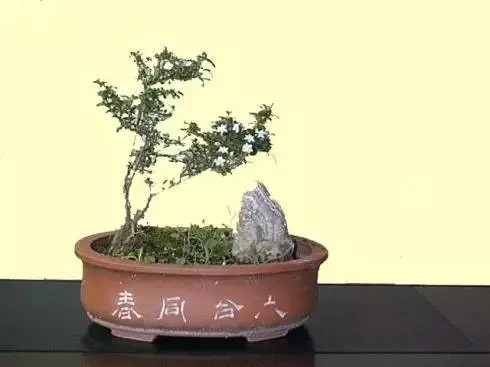
Detailed explanation of Serissa bonsai styling techniques to help you create a beautiful bonsai
Serissa is often propagated by division in March of spring, and branch cuttings or root cuttings can be done at any time from February to October. If protected cultivation (seedbed) is used, cuttings can be taken from November to January of the following year. After cuttings, pay attention to shading, heat preservation, and moisture retention; the survival rate is very high. 2-3 year old seedlings can begin to be shaped.
-
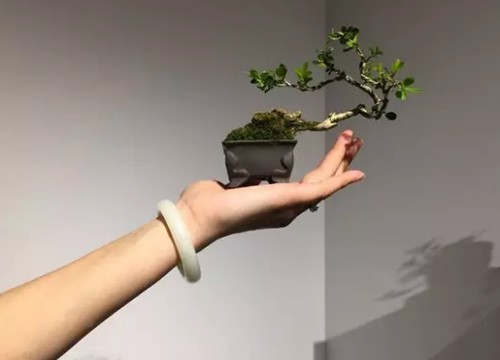
Does bonsai styling need to be forward-looking?
A good bonsai work usually takes 5-10 years to cultivate, and during this period it must be cared for every day. For example, in summer it needs watering once in the morning and once in the evening, and according to its growth conditions, it also needs repotting, branch pruning and styling, weeding, pest removal, and so on. This is the experience-based advice of Wang Xin, a bonsai art master in Zhejiang Province.
-
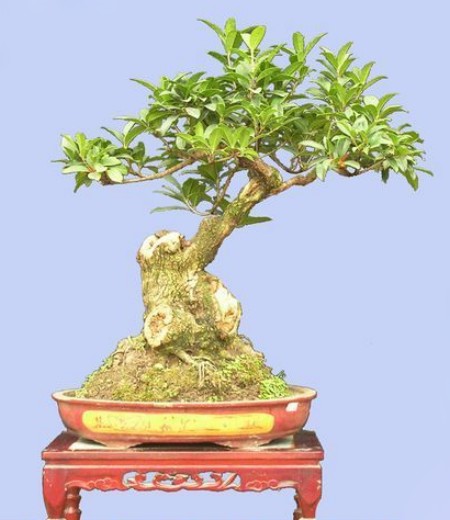
Detailed Explanation of the Key Techniques for Styling Osmanthus Bonsai
Generally speaking, osmanthus is widely planted in the Huaihe River basin and areas to its south. Its suitable growing range extends north to the lower reaches of the Yellow River and south to Guangdong, Guangxi and Hainan. However, osmanthus can also be grown in Beijing and Qingdao. The styling of osmanthus bonsai depends on the tree; set the main framework according to the tree's posture.
-
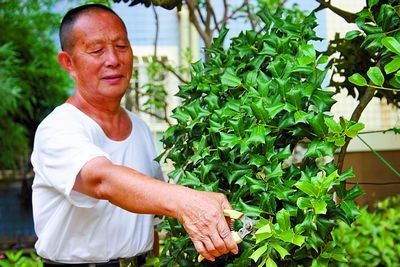
Detailed Explanation of the Key Techniques for Styling Chinese Holly (Ilex cornuta) Bonsai
Chinese holly (Ilex cornuta) has dense branches and leaves, a graceful tree form, and a spreading crown; it is an excellent species for tree planting and afforestation, and is also a good material for making bonsai, with very high ornamental value. If placed in the home, it can effectively enhance the quality of the living space. The price range of Chinese holly trees is quite wide, which is closely related to their size.
条件筛选