-
Essential Techniques and Styling Methods for Creating Chinese Arborvitae (Platycladus orientalis) Bonsai
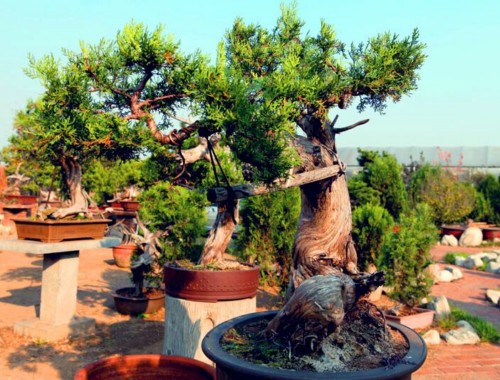
Tip pinching and shari (deadwood) are important techniques that must be mastered in creating Chinese arborvitae bonsai. Tip pinching is essentially leaf pinching. Because the young branches of Chinese arborvitae develop from scale-like small leaves, removing the tender shoots and leaves can control rampant growth. At the same time, the tips are also the only choice for organizing the crown form, standardizing the tree's appearance, and beautifying the landscape.
-
A Complete Guide to the Styling Methods and Techniques of Chinese Swamp Cypress Bonsai
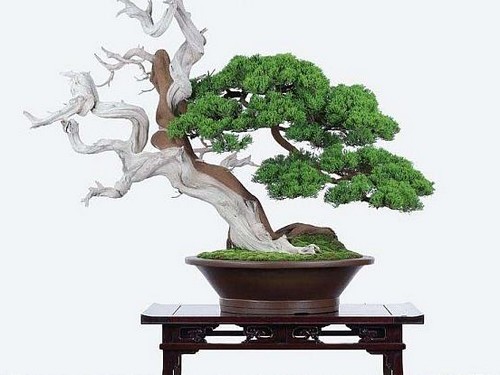
The Chinese swamp cypress (Glyptostrobus pensilis) is hailed as a "living plant fossil." It is a deciduous or semi-deciduous tree of the genus Glyptostrobus in the family Taxodiaceae; the genus contains only this 1 species. It is a relict plant of the world and a tree species endemic to China. It first appeared in the Mesozoic Era more than 100 million years ago, in the same era as the dinosaurs. According to botanists, in coastal areas such as Fujian, being able to find even a few or even a single Chinese swamp cypress is already extremely rare.
-
Black Pine Bonsai Styling Techniques
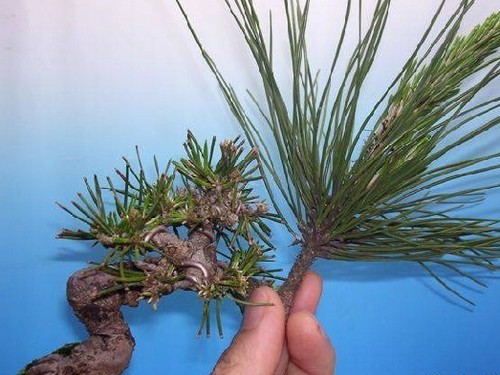
Black pine (Pinus thunbergii) is an excellent material for making pine bonsai, often planted together with plum blossom and green bamboo to form the "Three Friends of Winter" bonsai; if accompanied by rocks, it becomes a pine-and-stone bonsai. A black pine stump specimen cultivated over many years, with its old trunk gnarled and twisted, and its roots intertwined, displays the wondrous posture of a dragon and the soaring of a phoenix, and an indomitable vitality, making it a fine specimen for home cultivation and appreciation.
-
A Detailed Guide to the Pruning and Styling Methods for Black Pine Bonsai
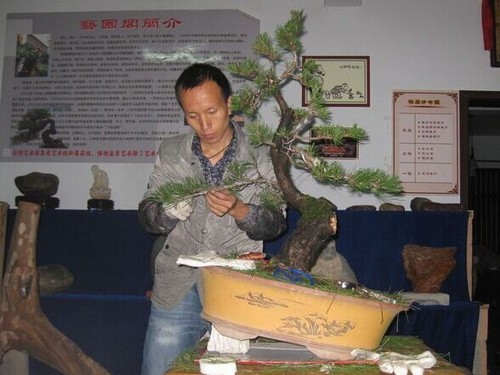
The pruning and styling of black pine bonsai is mainly achieved through pruning and wiring; methods such as grafting and forcing buds on young shoots can only serve as auxiliary techniques. The black pine to be styled must have already been cultivated for 1-2 years: the best time for styling is from December to February of the following year.
-
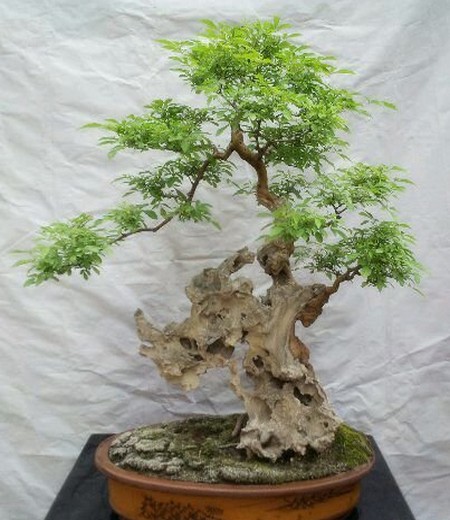
Detailed explanation of the styling methods for Vitex negundo bonsai, teaching you how to create a beautiful tree shape
Vitex negundo, also known as yellow vitex twig, is widely distributed in China and has extremely strong vitality. It is one of the commonly used miscellaneous tree species for making bonsai. It is highly adaptable and not demanding on soil. For potted Vitex negundo, loose-textured, well-draining humus soil is best, and the planting pot should preferably be a clay pot or cement pot. Before planting
-
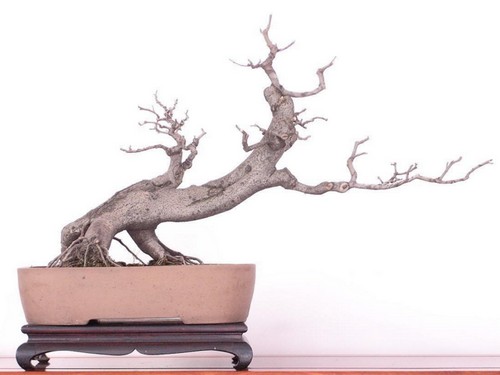
Detailed explanation of branch-pad styling methods for Chinese ash bonsai
Chinese ash (Fraxinus hupehensis) is a fast-growing species with vigorous growth. After one year of training and pruning of the trunk and primary branches, apart from a few terminal transition branches, cascading branches and drooping branches deliberately left long to thicken, most branches can be pruned and built into pads in the second year. In the early stage, primary and secondary branches are mainly wired (or guyed), with pruning as a supplement; in the later stage, once the branch pads have basically taken shape, pruning becomes the main method.
-

Detailed Explanation of Chrysanthemum Bonsai Styling Methods and Techniques
Anyone who has grown flowers and plants is very familiar with chrysanthemums; blooming chrysanthemums add much scenery to the deep autumn days. After transformation, chrysanthemums become styled chrysanthemums with unique shapes and very different styles. Styled chrysanthemums are chrysanthemums made as a whole into various shapes such as animals and utensils, but not all chrysanthemums can be made into styled chrysanthemums.
-
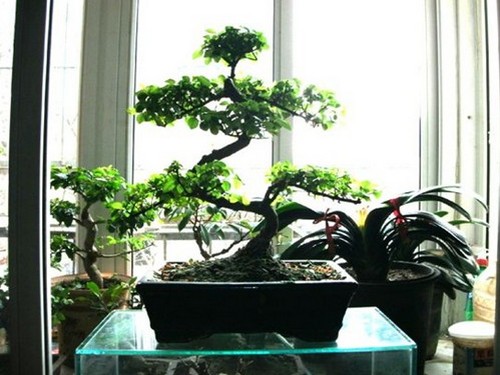
Detailed Explanation of Shaping and Styling Techniques for Chinese Privet (Ligustrum quihoui) Bonsai
Artistic shaping of garden plants is a technique in which garden technicians use ingenious concepts and adopt measures such as pruning and shaping, frame building and styling, and cultivation management to create beautiful artistic images with high ornamental value.
-
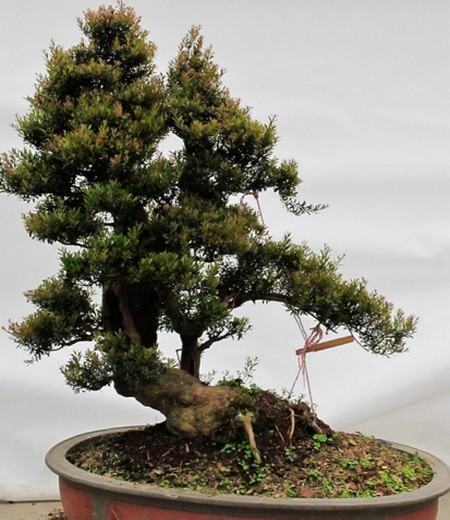
Detailed Explanation of Styling Methods for Syzygium buxifolium Bonsai Stock Material
Syzygium buxifolium (boxleaf syzygium) has become an excellent tree species for making bonsai because of its advantages: dense branches, small leaves, year-round green foliage, peculiar and grotesque trunk shapes, a thousand forms and a hundred postures, interlacing branches, interesting gnarled root bases, wide adaptability, and easy management. However, a perfect Syzygium buxifolium bonsai must also rely on artificial artistic processing, carrying out trimming and styling, so that the bonsai does not grow tall
-
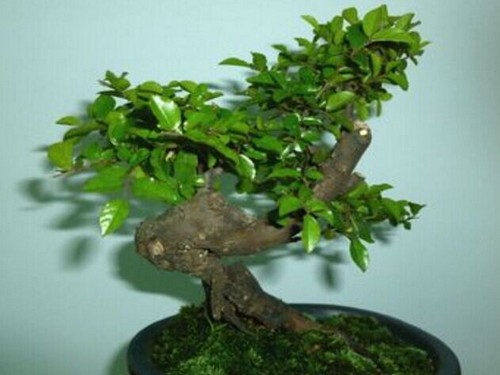
Detailed Explanation of the Key Styling Techniques for Chinese Sweet Plum (Sageretia thea) Bonsai
Sageretia thea, also known as duijieci, sageretia vine, sour fruit, and sour-berry tree, is a deciduous climbing shrub of the genus Sageretia in the family Rhamnaceae. Its roots and trunk are naturally peculiar, and its tree form is vigorous and antique, making it one of the main tree species for stump bonsai in China. Sageretia thea is a major bonsai tree species of the Lingnan school and the Su school, and is also commonly used in other regions.
条件筛选