-

2021 Taipei International Styling Arts Festival Kicks Off: Add LINE@ to Enter a Draw for Cash Vouchers, Great Deals and a Demonstration Hairstyle Show Invite You to Get Beautiful Together
[TB News Network] Do you feel like going to the salon to wash, style, cut, and perm for some relaxation? To promote the city's hairdressing industry, the Taipei City Office of Commerce is guiding the Taipei City Women's Beauty Business Association to independently organize the "2021 Taipei International Styling Arts Festival" from now until November 30, 110 (ROC calendar year), with careful...
-
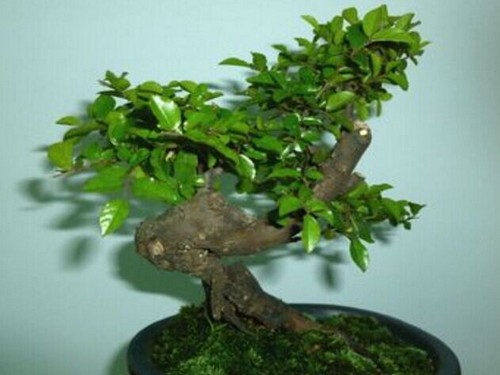
Detailed Explanation of the Key Styling Techniques for Chinese Sweet Plum (Sageretia thea) Bonsai
Sageretia thea, also known as duijieci, sageretia vine, sour fruit, and sour-berry tree, is a deciduous climbing shrub of the genus Sageretia in the family Rhamnaceae. Its roots and trunk are naturally peculiar, and its tree form is vigorous and antique, making it one of the main tree species for stump bonsai in China. Sageretia thea is a major bonsai tree species of the Lingnan school and the Su school, and is also commonly used in other regions.
-
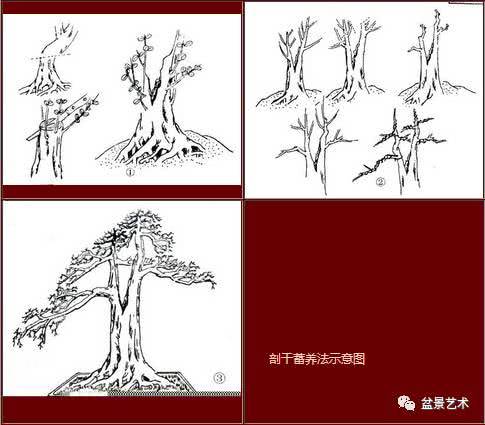
Detailed Explanation of the Trunk Development Technique in Tree Stump Bonsai Styling
Trunk development: The trunk is an important component of a tree's form; it connects the canopy and the roots into a whole and serves to transport nutrients and support the canopy. In terms of processing tree bonsai, the thickness, strength, and dynamic movement of the trunk have a decisive influence on the overall styling...
-
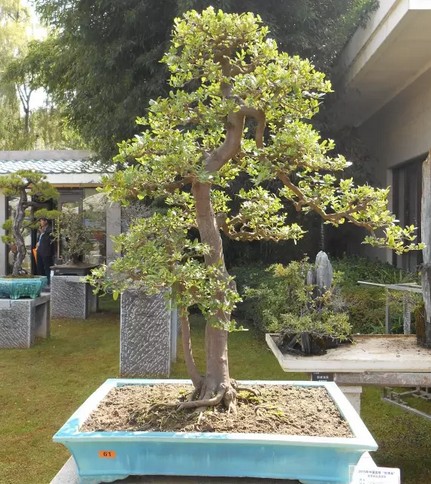
Detailed Explanation of the Key Technical Points for Formal Upright Bonsai Styling
The styling characteristic of the formal upright style is a trunk that is upright or basically upright, belonging to the tall and vigorous tree type, and is also the basic tree form of arbor species. (1) Selecting the planting material. An excellent planting material should have the following characteristics: (1) A perfect root spread. (2) A rugged, upright trunk base. (3) A trunk of moderate thickness, becoming progressively thinner toward the top.
-
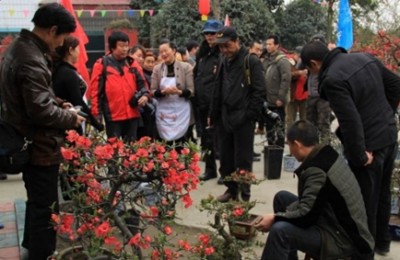
Detailed Explanation of Techniques and Methods for Shaping and Styling Begonia Bonsai
Begonia shaping and processing often combines wiring and pruning, and the processing period is best from after leaf drop in winter to before bud break in spring. During the plum rain period, new branches have grown relatively mature and the branches are quite flexible, so it is also suitable for pruning and wiring. Seedlings 2 to 3 years old can begin to be processed; at this stage they are highly malleable and easier to work with
-
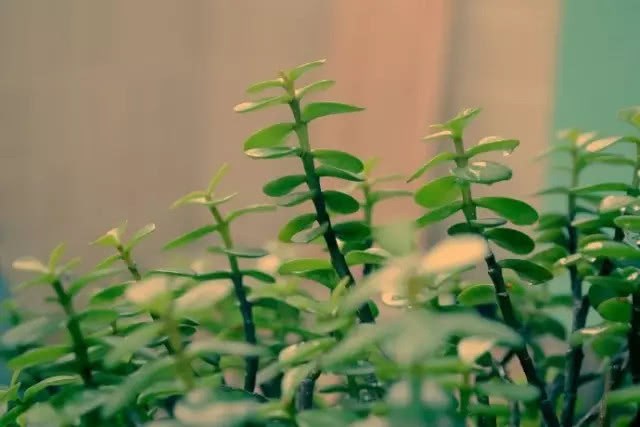
Green Plant Decoration Tips: My Personal Styling Methods That Make a Home More Magical
Green plants seem to have a kind of magic: any corner with them in it becomes clean and bright, full of vitality and life! Especially on days with heavy smog or rainy weather, coming home to green plants sweeps away a gloomy mood. And home plan...
-
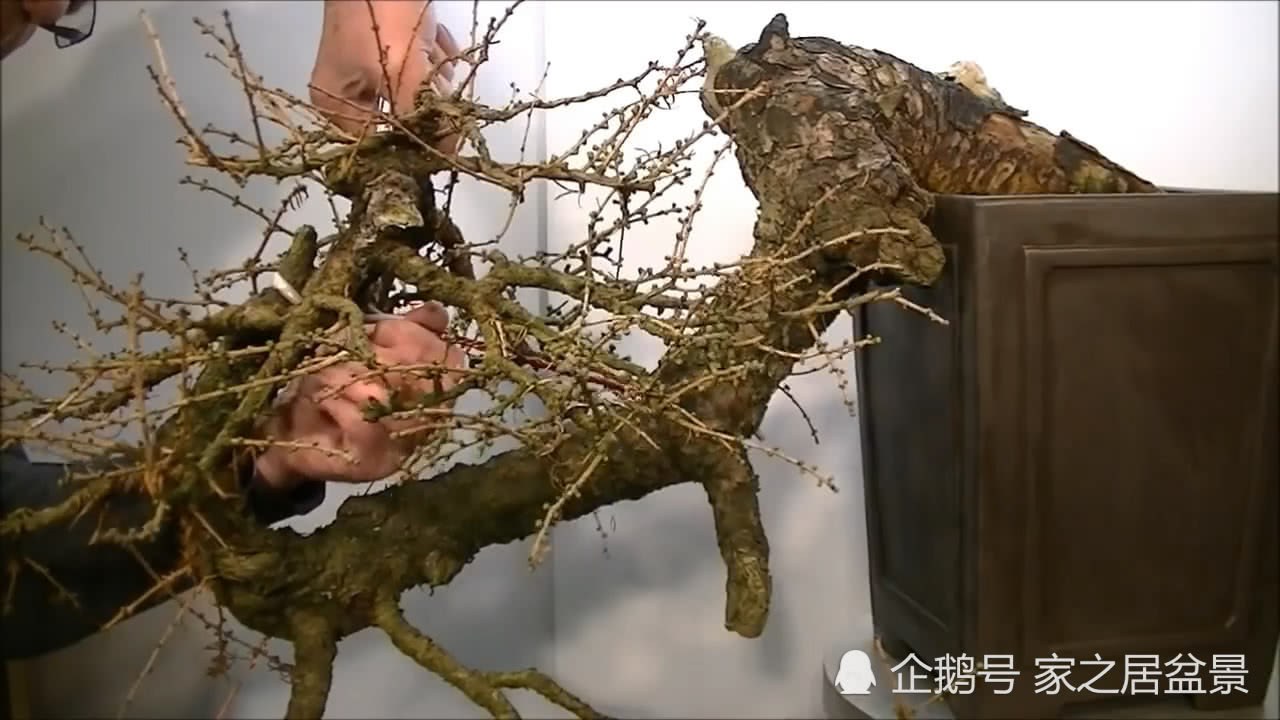
Why fruit trees are burned with fire after pruning branches and the artistic styling effect
Bonsai making: getting ready to prune this tree stump with its messy branches, let's take a look together. Bonsai making: a layer of bark has been peeled off the branch, and fire is used to burn off the burrs on it, which also creates an antique effect. Bonsai making: prune it a bit...
-
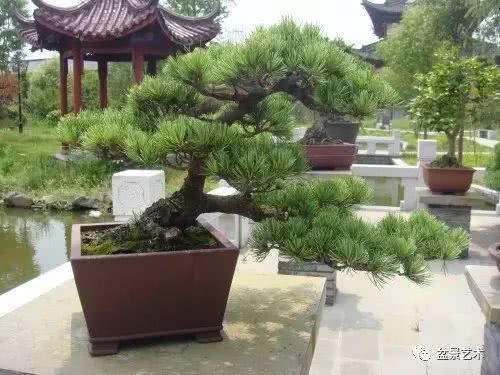
Detailed Explanation of Rapid Styling Methods for Five-needle Pine Bonsai
1. Five-needle pine bud grafting and branch high grafting. Five-needle pine bud grafting and branch high grafting are two different forms, but their methods and effects are the same; the only difference is the scion. The method is as follows: Selection of rootstock - choose a potted black pine (Pinus thunbergii) old stump that has begun to take the preliminary shape of a bonsai...
-
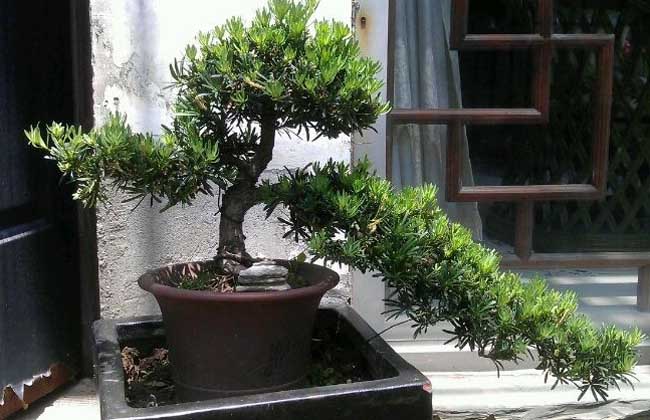
A detailed guide to Podocarpus styling techniques, teaching you to create a beautiful tree shape
Podocarpus styling techniques
-
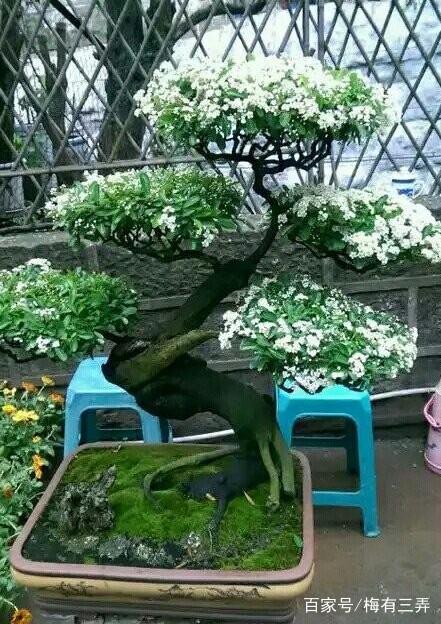
Bonsai styling without asking for help - becoming an expert is just this simple
1. Roots The root of a tree stump is the foundation of a bonsai, and it is also extremely important. After the stump comes down from the mountain, the roots must be cut first, then the trunk. While ensuring survival, the thick roots should be cut as short as possible, which helps produce more roots and more buds...
条件筛选