-
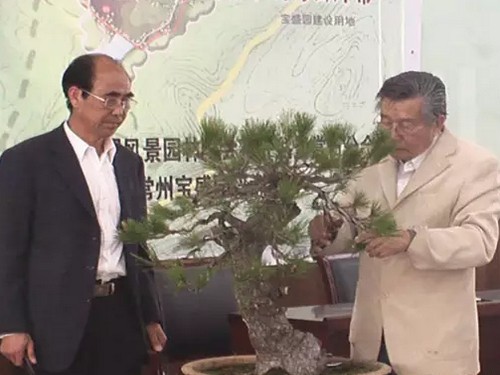
Pine Bonsai Styling Techniques: A Guide to Help You Create a Beautiful Tree Form
Every living thing in nature is influenced by other living things, and people intervening in the growth of pine trees through technical means is one expression of this influence. Even today, this phenomenon still exists, and this is the prevalence of potted plants. Pine trees hold a very good meaning in traditional Chinese culture, symbolizing a firm and resolute character
-
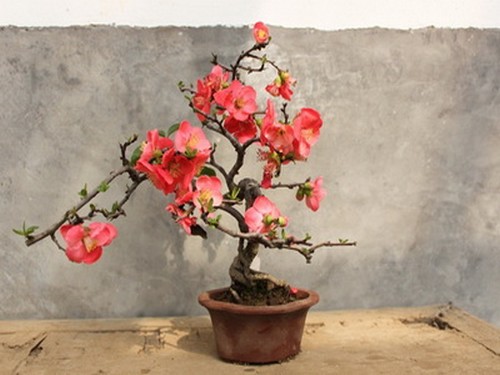
Detailed Explanation of the Key Techniques for Styling Chaenomeles speciosa (Flowering Quince) Bonsai
Chaenomeles speciosa is mostly trained in a shrub-clump form. After the clump is planted, generally 3~5 healthy branches are selected and kept, and these are cut back according to their growth vigor. Usually, strong branches are pruned lightly and weak branches heavily; where fertilizer and water conditions are good, prune lightly and leave long; where fertilizer and water conditions are poor, prune heavily and leave short.
-
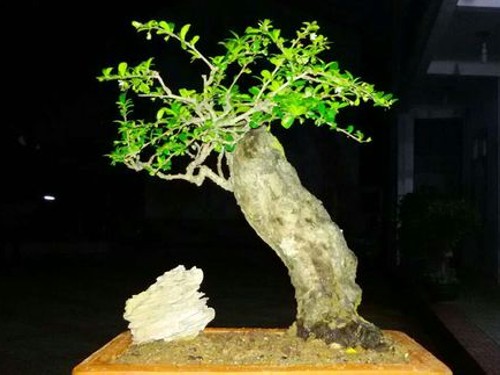
Detailed explanation of Fujian tea bonsai styling methods, easily shaping a graceful tree form
To make a Fujian tea bonsai, you can select robust one-year-old branches or semi-lignified branches of the current year for cutting propagation in spring or the plum rain season; you can also use root cuttings from early summer to early autumn to obtain seedlings; in the south, you can also dig up wild stumps or young trees in the woods, and after cultivating the stock until it survives, process it and pot it
-
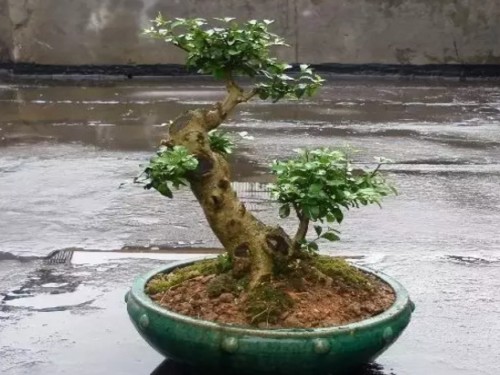
Detailed Explanation of the Key Techniques for Styling Ilex Bonsai
Many studies have shown that, in addition to their medicinal value, plants of the genus Ilex are also excellent landscaping tree species. Their wild original species and cultivated varieties have strong cold tolerance; even when introduced further north to Shandong, they show good growth potential. Therefore, some scholars believe that
-
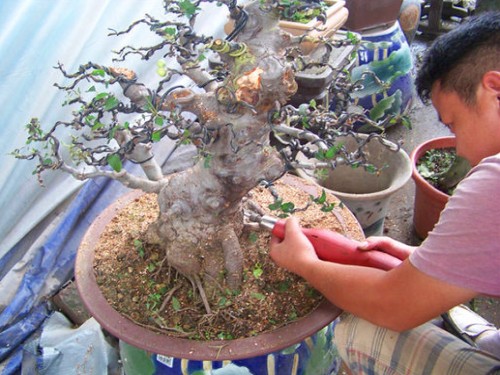
Detailed Guide to Styling and Designing Winter Red Fruit Bonsai
Winter red fruit is generally styled in the formal upright natural form, with the trunk straight and upright or slightly curved, branching at a certain height; it suits varieties with an upright tree habit and small, fine leaves, such as winter red fruit and Rose Autumn. An informal upright (slanting trunk) style is also used, planting the tree at one end of the pot with the trunk leaning toward the other end, the leaning trunk accounting for no less than half of the total trunk length
-
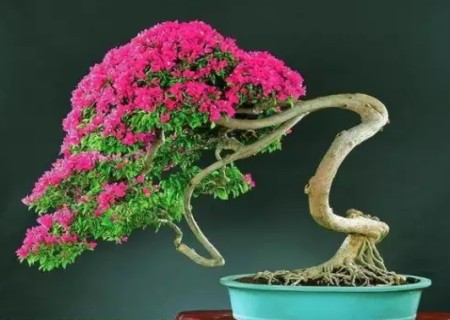
Detailed Explanation of Bougainvillea Bonsai Styling Techniques
Bougainvillea (also known as paperflower) has large bracts that are brightly colored like flowers and last a long time, making it suitable for garden planting or potted display. It can also be used for bonsai, hedges, and pruning to shape. Bougainvillea has very high ornamental value and is cultivated in southern China as a climbing flower for walls. Every Spring Festival, green leaves set off the bright red bracts
-
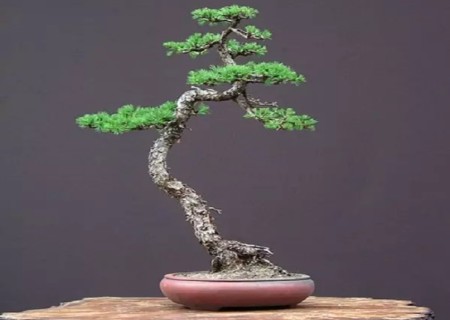
Illustrated guide to the whole process of styling a literati tree bonsai, teaching you step by step
Literati trees often use vivid, distinctive, fresh and exquisitely skilled artistic imagery to give the best interpretation of the lofty, proud aspirations, the solitary elegance and the untrammeled, independent humanistic spiritual pursuit of Chinese intellectuals since ancient times; literati trees are more about expressing oneself, while Suren style is more
-
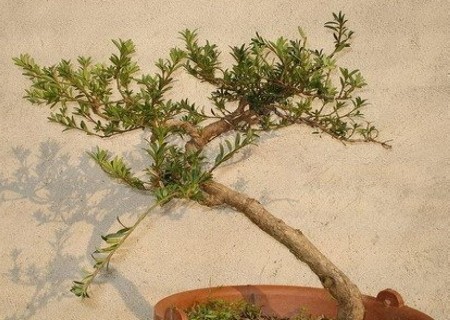
Podocarpus bonsai styling illustrated guide, teaching you to prune a beautiful tree shape
Generally speaking, any tree shape can be styled; in fact, there are no restrictions on trunk diameter or thickness, or on how the branches divide, but how beautifully it is shaped depends 70% on the skill of the horticultural stylist and 30% on later maintenance. If either part is missing, it is very difficult to produce an exquisitely styled, superior Podocarpus bonsai.
-
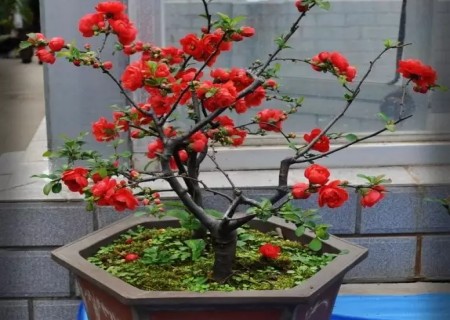
Detailed Explanation of Crabapple Bonsai Styling Methods and Techniques
The crabapple has graceful flowers, with brilliant blooms in spring and abundant red fruit in autumn, dainty and lovely. It not only provides beautiful flowering and fruit-bearing tree species for park landscaping, but is also an ideal bonsai material. However, crabapple bonsai tree shapes are mostly made into slanting-trunk style, curved-trunk style, or cascade style. Emphasis should be placed on expressing the vigorous yet supple character of its branches.
-
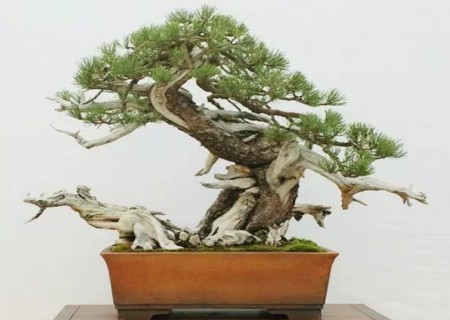
Detailed explanation of pine bonsai styling techniques, easily create a beautiful tree shape
Pine bonsai works are created with grandeur and masculine energy as their main expressive characteristics. They love sunlight yet have strong drought tolerance, and prefer to grow in soil environments with excellent breathability and drainage. The styling process of pine bonsai is a process of completing artistic creation
条件筛选