-
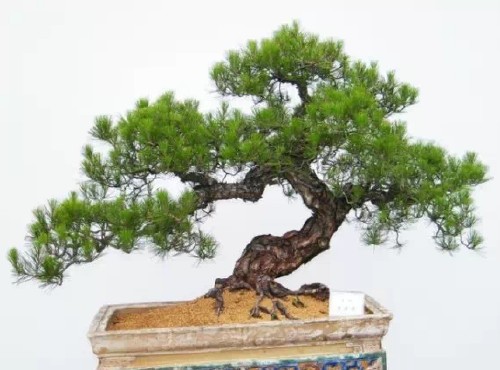
How to Make a Mountain Pine Bonsai? Key Points and Precautions Explained in Detail
Mountain pine, also known as Masson's pine (Pinus massoniana), is a common tree species. Material suitable for making bonsai is relatively scarce, and it grows slowly, making it difficult to shape and care for; however, its tree form is beautiful and can express many artistic conceptions, which makes it rather precious. Key points for making it: 1. Collecting the stump: carry this out around the Beginning of Spring (Lichun) before the resin begins to flow, keeping a soil ball and protecting the fine roots
-
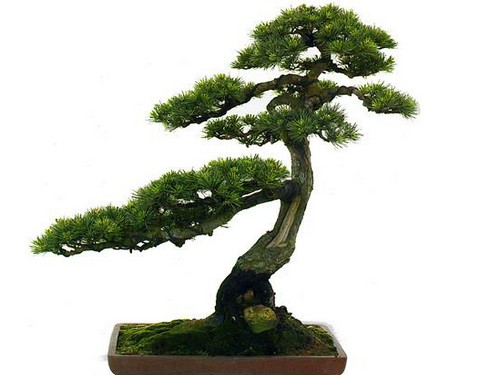
How to Make a Black Pine Bonsai
Black pine bonsai has strong adaptability to the environment and can be cultivated in courtyards or on balconies. Its branches spread horizontally, its crown is like an umbrella canopy, its needles are deep green, it stays evergreen through all four seasons, and its tree form is ancient and elegant, making it enjoyable all year round. During the growing period, it is best placed outdoors in a spot with ample sunlight and good air circulation, and it should not be kept indoors for long periods.
-
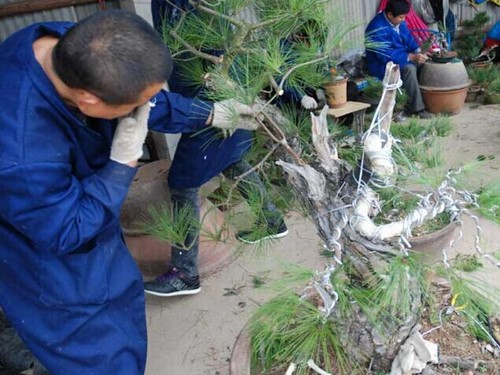
How to Make a Masson Pine Bonsai? Methods and Precautions Explained
Masson pine, also known as mountain pine, is a common tree species, but material suitable for making bonsai is relatively scarce. It is mainly used for construction, railway sleepers, mine props, board making, packing crates, furniture, and wood fiber industry (rayon pulp and papermaking) raw materials. The trunk can be tapped for pine resin, which is a raw material for medicine and chemicals. The roots are rich in resin
-
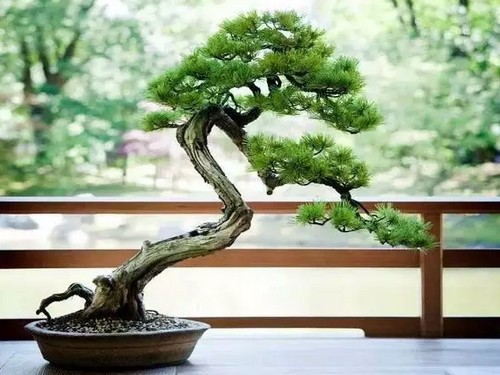
Detailed Guide to the Methods and Steps for Making Pine Bonsai
Among the arts, bonsai is one of the finest examples of Eastern art rich in natural charm, and it is also a unique traditional art of our country. Through artificial techniques, people take trees from nature through cultivation, pruning, wiring, shaping and other processing, carefully nurture them, and then combine this with our artistic methods to truly make them into elegant, extraordinary
-
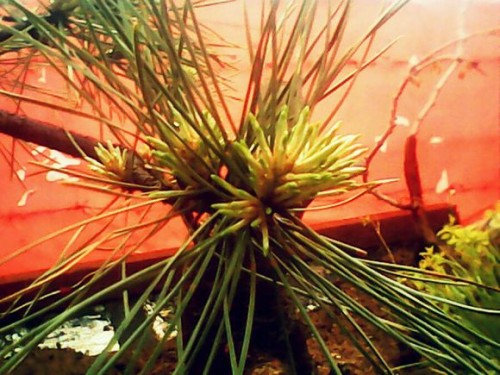
How to make a Chinese pine bonsai? Detailed production method shared
The Chinese pine is tall and vigorous, evergreen all year round, long-lived, and unafraid of wind, snow and severe cold. People regard it as a symbol of unyielding integrity and longevity. Its forms are endlessly varied, becoming more fantastic with age, making it an ideal material for bonsai. After the Chinese pine is planted, water it twice within one week; afterwards you may loosen the soil and preserve moisture, and water once more in early May
-
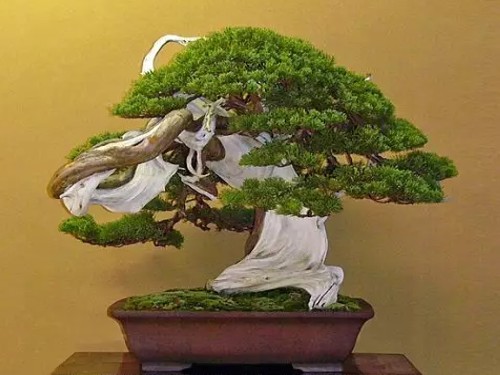
What are the techniques for making pine and cypress bonsai?
Shandong is one of the birthplaces of ancient Chinese culture. On Mount Tai, the first of the Five Great Mountains, there are ancient pines of every conceivable form at Duisongshan and Houshiwu; in the ancient temple of Zhongjunzhang on Mount Culai there are ancient pines several hundred years old; at the Dai Temple in Tai'an there are Han-dynasty cypresses known as "ancient cypresses braving the cold"; and at Lingyan Temple and the Confucius Forest in Qufu there are even more ancient cypresses with old trunks and gnarled branches that have weathered countless vicissitudes
-
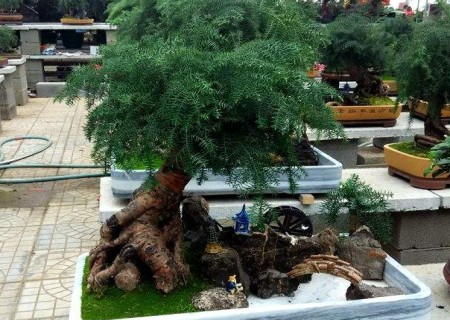
How to make an Australian pine bonsai? Detailed method tutorial
Australian pine (Norfolk Island pine, Araucaria heterophylla) is one of the world's three major ornamental trees, known for being very easy to care for. Its bonsai features exposed hanging roots and claws, gnarled and vigorous trunks, and lush foliage, making it deeply loved by people. Australian pine stays verdant all year round and can also be made into lovely bonsai; it is a plant that many people keep at home
-
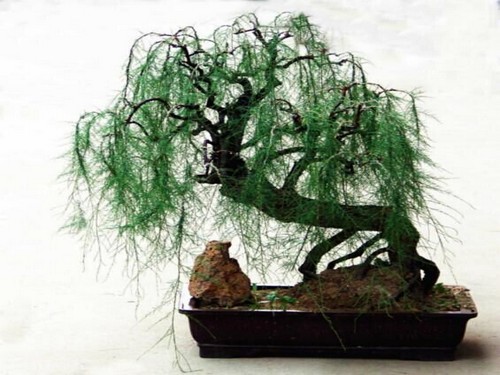
How to create a pine-style bonsai design with tamarisk
It is known that tamarisk is an excellent material for creating "weeping willow style" bonsai, and the soft, graceful charm it expresses is especially beloved. I had originally intended to learn from Master Wang Xuanmin and also create a weeping willow style bonsai with tamarisk, but the tamarisk material now in hand is of the tall-trunk, upright type, particularly stiff and strong. How could it express the graceful, lithe softness! What to do?
-
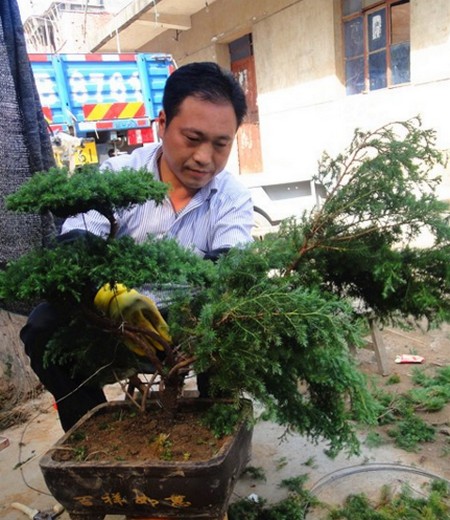
Detailed Explanation of Key Techniques for Transplanting Pine Bonsai
People often say an old saying: a person moves and thrives, a tree moves and dies. So, especially for transplanting large trees, extra care is needed, otherwise it is a great pity if they die during the transplanting process. Take pine trees for example, transplanting large-sized pine trees is also particularly important
-
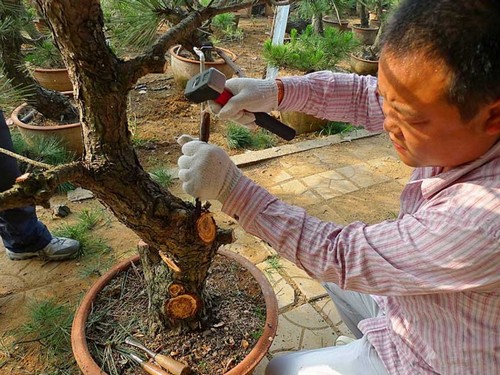
How to transplant a black pine bonsai? Detailed methods and steps
"A hundred-zhang pine in the forest, its gray scales wrinkled with age" - this is a line from a poem by the Song Dynasty writer Su Dongpo praising the posture of the pine tree. The black pine bonsai has strong adaptability to the environment and can be grown in courtyards or on balconies. Its branches spread horizontally, its crown is like a canopy, its needles are deep green, its winter buds are silvery white, it stays green all year round, and its tree form is ancient and elegant, making it enjoyable throughout the year. During the growing period
条件筛选