-
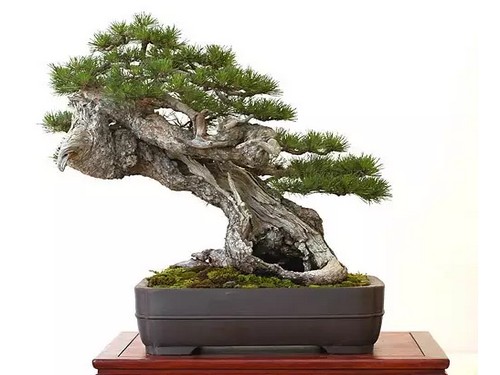
How to Water a Pine Bonsai? Master These Techniques for Easier Care
Water is an essential element for plant growth, accounting for about 70% of a plant's total composition, and it is one of the most important conditions for plant growth. Therefore, watering is also a rather important body of knowledge. Watering may seem simple, but doing it well is not easy. A good bonsai technician needs three years of careful study, exploration, and summarization.
-
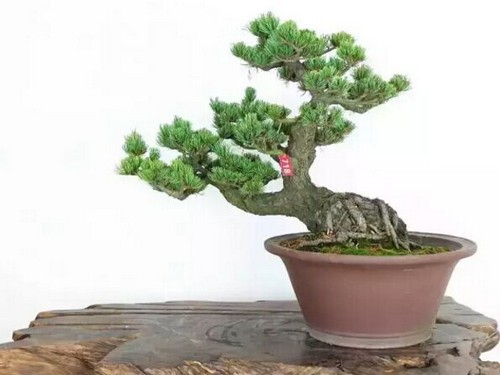
A Detailed Guide to the Correct Fertilization Methods for Pine Bonsai
In the wild, pines mostly grow in barren or high-altitude areas. They are a sun-loving (heliophilous) pioneer tree species, which is to say that pines do not need much fertilizer to grow well. In horticultural cultivation, however, fertilizer is still applied in order to make the trees grow quickly and shorten the cultivation time.
-
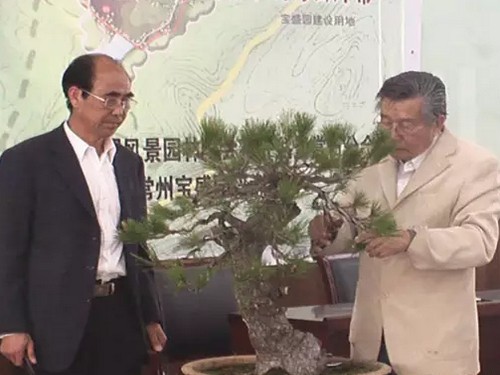
Pine Bonsai Styling Techniques: A Guide to Help You Create a Beautiful Tree Form
Every living thing in nature is influenced by other living things, and people intervening in the growth of pine trees through technical means is one expression of this influence. Even today, this phenomenon still exists, and this is the prevalence of potted plants. Pine trees hold a very good meaning in traditional Chinese culture, symbolizing a firm and resolute character
-
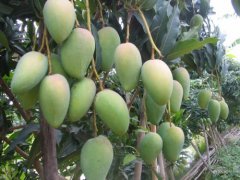
Has the price of Philippine mangoes fallen this year, and how much per jin?
Mango, a tropical fruit, can often be seen in our daily lives. Its price is generally around 6-7 yuan per jin, but there are reports saying that Philippine mangoes have plunged to 1 mao 3 per kilogram. What is going on? The price of deformed mangoes is even lower.
-
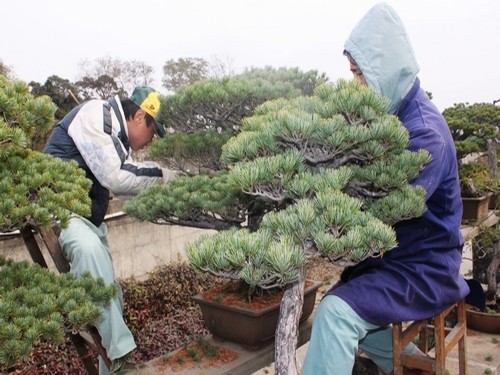
A Complete Guide to Pruning Methods and Techniques for Five-Needle Pine Bonsai
The styling techniques for five-needle pine bonsai share common ground with those for other tree bonsai, yet they also have their own particular characteristics. They should feature naturally adopted forms and well-judged choices of what to keep and what to remove; pruning and branch training should achieve a balanced layout, with an elegant and classical, understated tone. The artist's creative range must be broad: first comes artistic conception, then working out the draft in mind, and determining the theme
-

How to shape a five-needle pine bonsai? A detailed guide to practical methods
The five-needle pine is a sun-loving tree species that prefers fertile, loose, acidic soil. It is widely cultivated, with fine, dense, deep-green foliage. It is suitable both for garden accents and group plantings, and is also an important tree species for potted cultivation or bonsai. Shaping the five-needle pine should begin from the young tree stage and be carried out in winter
-
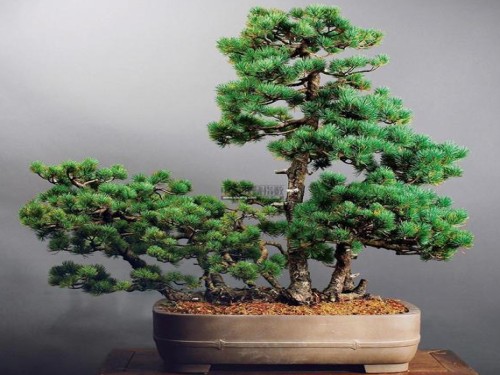
Detailed Explanation of Bud Pinching Techniques for Five-Needle Pine Bonsai
Bonsai is a concrete yet subtle representation of natural scenery, a profound and passionate exploration and reflection of natural beauty. The five-needle pine has an upright posture and is a tree species of high ornamental value; it is suitable both for embellishing gardens and as an important tree species for potted cultivation or bonsai. To maintain a good tree form and control the growth of branches and foliage
-
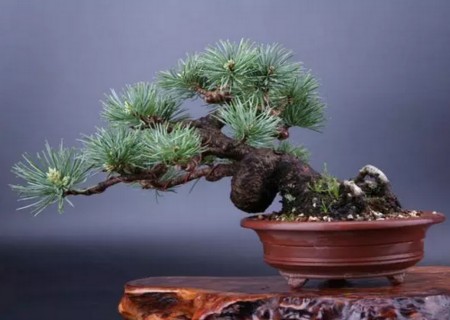
How to Fertilize Five-Needle Pine Bonsai? Detailed Methods and Tips
This tree species is one of the more precious among five-needle pines, generally used as bonsai material, rarely grown in the ground. Five-needle pine has low fertilizer requirements, and fertilization should not be excessive or too concentrated. Too much fertilizer will cause leggy shoot growth and longer needles, detracting from its ornamental value. Five-needle pine is relatively cold-tolerant and shade-tolerant, preferring well-drained, slightly acidic soil
-
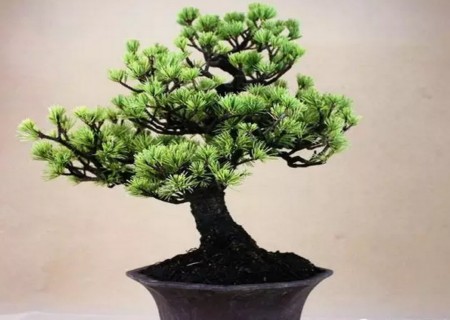
How should you water a five-needle pine bonsai? Practical watering tips shared
The five-needle pine has an upright posture and is a tree species with high ornamental value. It is suitable both for decorating gardens and as an important species for potted plants or bonsai. In bonsai making, the tree's posture must be maintained well and the growth of branches and leaves controlled, so as to achieve a shape with short, dense and vigorous branches and leaves. Today the editor will introduce the watering techniques for five-needle pine bonsai.
-
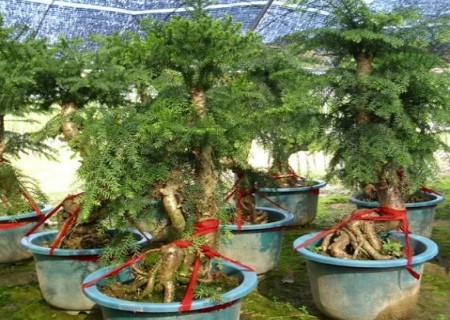
How to propagate the Norfolk Island pine? A detailed guide to common propagation methods
The Norfolk Island pine (Araucaria heterophylla) originates from the southeastern coastal regions of Oceania, such as northern Australia. It is now introduced and cultivated in provinces including Guangdong. Some cities in northern China began introducing Norfolk Island pine bonsai in 2002, and they have grown well. The Norfolk Island pine is a highly ornamental tree species and is rated as one of the world's three major ornamental trees.
条件筛选