-
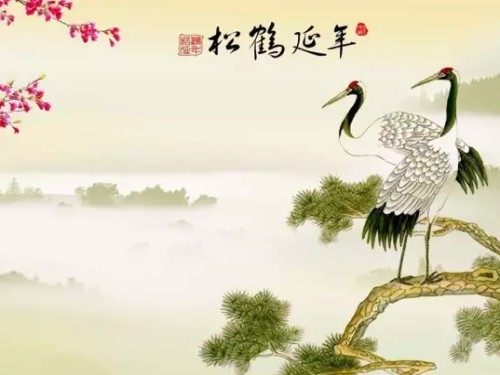
What are the feng shui considerations for pine bonsai?
Feng shui is not superstition; it is one of China's traditional cultures, and it contains a great deal of knowledge within it. Modern China has undergone earth-shaking changes, and much traditional culture has also been damaged, so people today can no longer see the full picture of feng shui studies.
-
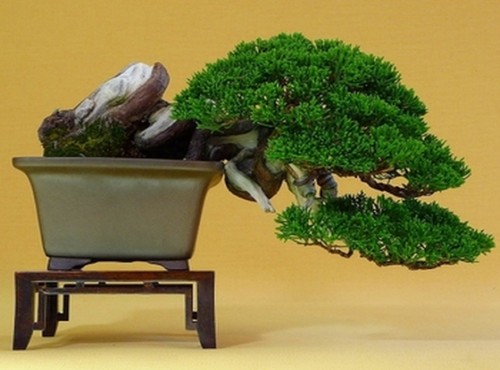
What are the fertilization precautions for pine bonsai?
A few days after applying organic fertilizer, white mycelium can often be seen growing on the fertilizer, which most people assume means the fertilizer was not fully composted. After the raw materials are composted, they become powdery. For certain reasons (possibly bagging, ease of application, appearance, etc.), manufacturers make the fertilizer into granules. During this process
-
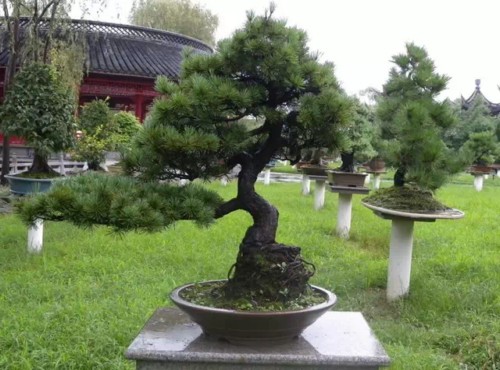
How to Fertilize Pine Bonsai? A Detailed Guide to Fertilizing Techniques in Spring and Autumn
In the wild, pines mostly grow in barren or high-altitude areas and are heliophilous (sun-loving) pioneer tree species, which means pines do not need much fertilizer to grow well. In horticultural cultivation, however, fertilizer is still applied to make the trees grow quickly and shorten the cultivation time.
-
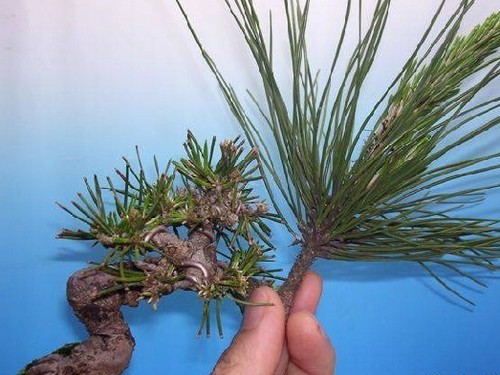
Black Pine Bonsai Styling Techniques
Black pine (Pinus thunbergii) is an excellent material for making pine bonsai, often planted together with plum blossom and green bamboo to form the "Three Friends of Winter" bonsai; if accompanied by rocks, it becomes a pine-and-stone bonsai. A black pine stump specimen cultivated over many years, with its old trunk gnarled and twisted, and its roots intertwined, displays the wondrous posture of a dragon and the soaring of a phoenix, and an indomitable vitality, making it a fine specimen for home cultivation and appreciation.
-
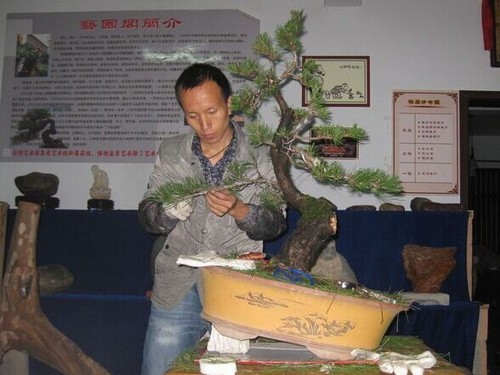
A Detailed Guide to the Pruning and Styling Methods for Black Pine Bonsai
The pruning and styling of black pine bonsai is mainly achieved through pruning and wiring; methods such as grafting and forcing buds on young shoots can only serve as auxiliary techniques. The black pine to be styled must have already been cultivated for 1-2 years: the best time for styling is from December to February of the following year.
-
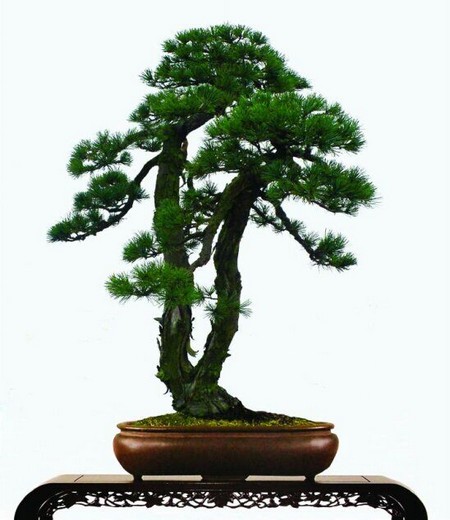
How to shape a pine bonsai in the tall-trunk weeping-branch style? Detailed practical tips
When we walk into the Wenzhou Bonsai Garden on Jiangxin Island, we are soon amazed and filled with admiration by the bonsai of varied shapes, fresh and graceful composition, and scenery that balances movement and stillness. Especially those tall-trunk weeping-branch style pine bonsai, revealing the great in the small, fully displaying the uprightness and vigour of the pine
-
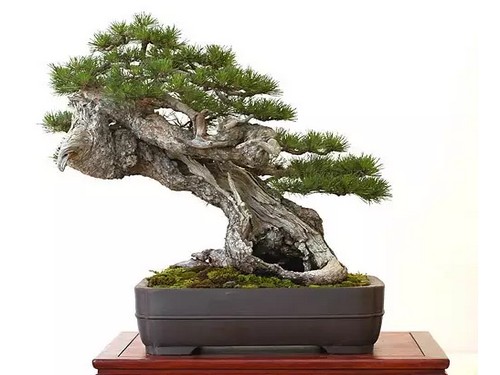
How to Water a Pine Bonsai? Master These Techniques for Easier Care
Water is an essential element for plant growth, accounting for about 70% of a plant's total composition, and it is one of the most important conditions for plant growth. Therefore, watering is also a rather important body of knowledge. Watering may seem simple, but doing it well is not easy. A good bonsai technician needs three years of careful study, exploration, and summarization.
-
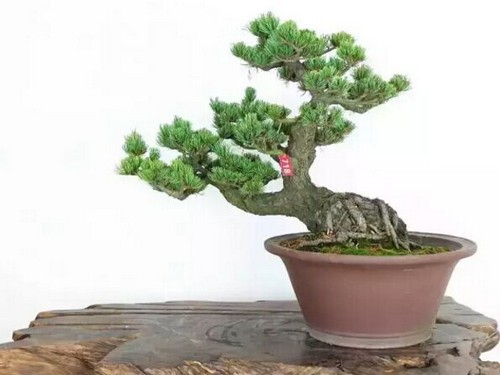
A Detailed Guide to the Correct Fertilization Methods for Pine Bonsai
In the wild, pines mostly grow in barren or high-altitude areas. They are a sun-loving (heliophilous) pioneer tree species, which is to say that pines do not need much fertilizer to grow well. In horticultural cultivation, however, fertilizer is still applied in order to make the trees grow quickly and shorten the cultivation time.
-
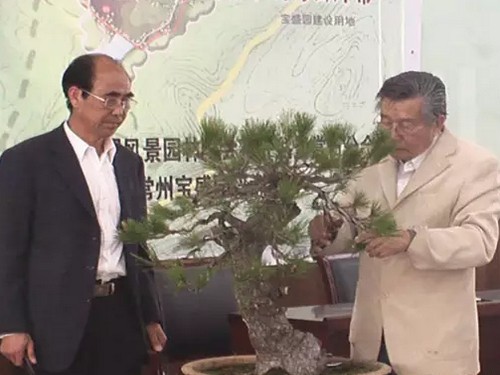
Pine Bonsai Styling Techniques: A Guide to Help You Create a Beautiful Tree Form
Every living thing in nature is influenced by other living things, and people intervening in the growth of pine trees through technical means is one expression of this influence. Even today, this phenomenon still exists, and this is the prevalence of potted plants. Pine trees hold a very good meaning in traditional Chinese culture, symbolizing a firm and resolute character
-
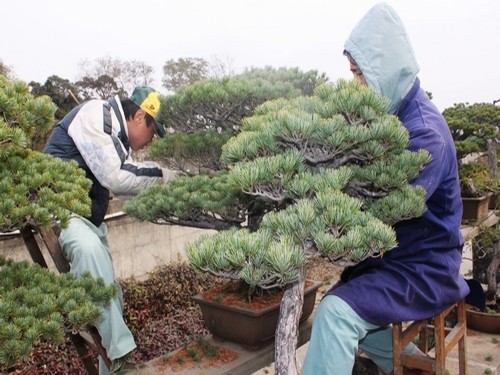
A Complete Guide to Pruning Methods and Techniques for Five-Needle Pine Bonsai
The styling techniques for five-needle pine bonsai share common ground with those for other tree bonsai, yet they also have their own particular characteristics. They should feature naturally adopted forms and well-judged choices of what to keep and what to remove; pruning and branch training should achieve a balanced layout, with an elegant and classical, understated tone. The artist's creative range must be broad: first comes artistic conception, then working out the draft in mind, and determining the theme
条件筛选