-
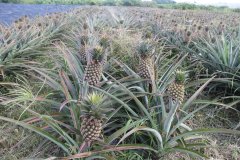
Where are the head and tail of a pineapple, and what does it look like when ripe?
Hello everyone, last week's fruit box featured the long-unseen Taiwan perfume pineapple, and many people asked the little helper whether the pineapple they received was still green and whether it could be eaten. Because pineapples are climacteric fruit, to make sure that when everyone receives a pineapple they don't get an overripe one
-

Sourcing Methods and Cultivation Techniques for Five-Needle Pine Bonsai
The five-needle pine has vigorous, gnarled branches and trunks, dense foliage and short needles, lush green growth, and elegant form, making it a precious ornamental tree species for bonsai. It is suitable for viewing in all four seasons, and in the cold winter it remains as green as ever, which is especially valuable. During the growing season, the five-needle pine should not be kept indoors for long periods for viewing, otherwise, due to insufficient light and poor ventilation, it will suffer from disease
-
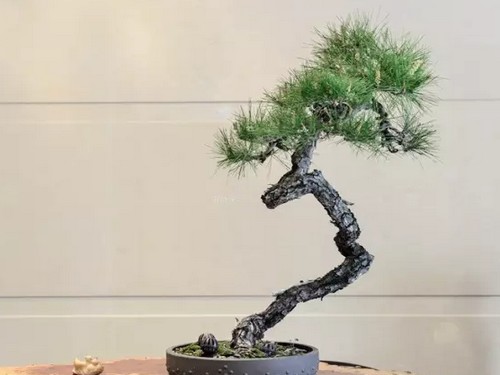
A Complete Guide to Sourcing and Cultivating Huangshan Pine Bonsai
The Huangshan pine (Pinus hwangshanensis) is lush and green, full of vitality, with upright trunks reaching straight up to the sky, slender needle-like leaves that comb the wind and screen the emerald green, and evergreen through all four seasons. It is one of the best ornamental tree species among pines. The great Tang dynasty poet Bai Juyi once praised its character, saying: Graceful are the pines on the mountain, each one facing the morning sun, dense and towering to the heavens, with branches a hundred chi long; at year's end the mountain is covered in snow
-
What soil is suitable for pine bonsai? Detailed soil mixing methods
Pine bonsai often display a masculine beauty, and wherever they are, people are often struck by their captivating charm; at the same time, bonsai pines can also give people a sense of optimism and upward motivation in adversity, so an excellent pine bonsai work often has extremely high artistic ornamental value
-
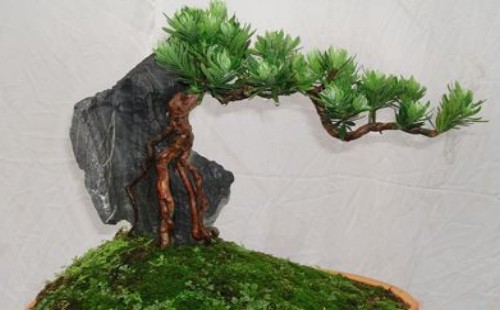
What soil is best for a Buddhist pine (Podocarpus macrophyllus) bonsai?
The ornamental value of the Buddhist pine bonsai is extremely high, as everyone can clearly see, and whether it is used in a hall or in a home, it often achieves a very good decorative effect and beautifying effect. Even so, the Buddhist pine does not have high requirements for potting soil. The following reference information is provided to help everyone grow Buddhist pine bonsai well.
-
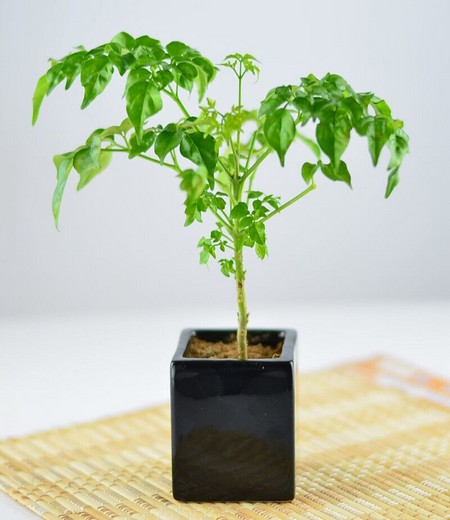
Cultivation Methods and Care Tips for the Happiness Tree Bonsai
Because of its auspicious name, the Happiness Tree (Radermachera sinica) is deeply loved for homes and office environments, especially since it has lush foliage, small emerald-green leaves and is highly ornamental. It can also absorb harmful substances in the air and has an anti-radiation effect, giving you back a healthy working and home environment. So how do you grow a Happiness Tree?
-
Taiwan pineapple prices rise, Taipei auction price nearly double compared with the same period
In mid-March this year, after reports emerged that pineapple prices were poor in some production areas, the Council of Agriculture successively launched three major measures - diversified marketing, exports and processing - and successfully stabilized prices. In March, the Agriculture and Food Agency also announced that this year's "Domestic Hand-Shaken Beverage Championship" would start early, hoping to push prices up, with the event held on May 31.
-
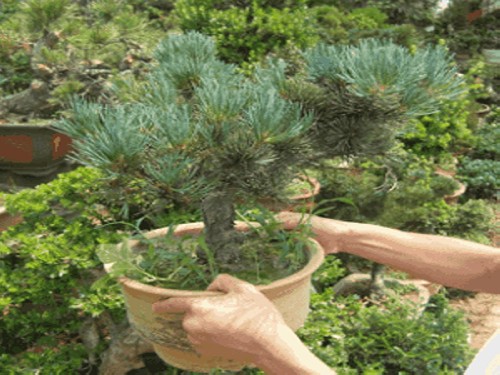
Causes and Solutions for Yellowing Needles on Japanese White Pine
When summer arrives, the Japanese white pine (Pinus parviflora) grown by flower enthusiasts often develops yellowing at the tips of its needles, and after late autumn some needle tips die back, which greatly detracts from its ornamental value. What exactly causes this phenomenon? The Japanese white pine gets its name from its needles growing in clusters of five. The plant is relatively short, grows slowly, has short needles and dense branches, an elegant bearing and a beautiful tree shape.
-
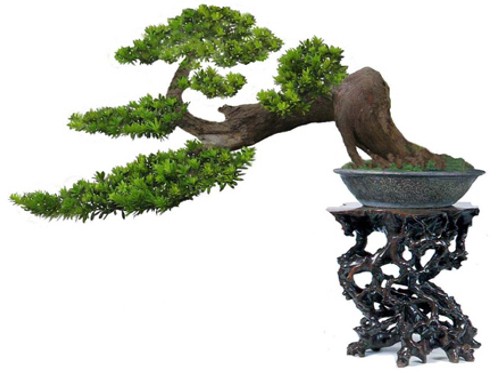
A Detailed Guide to the Care of Buddhist Pine (Podocarpus macrophyllus) Bonsai with Needle-like Leaves
The Buddhist pine bonsai has a lush, elegant, and vigorous tree form, with leaves that stay fresh green all year round, giving a sense of strength and purity. If combined with rocks, shaped into an eagle-claw-embracing-rock posture, it becomes even more antique and distinctive. Grouping Buddhist pine with bamboo and rocks makes an extremely elegant scene. A forest-style Buddhist pine bonsai, paired with grazing scenery, can give the enjoyment of wild charm.
-
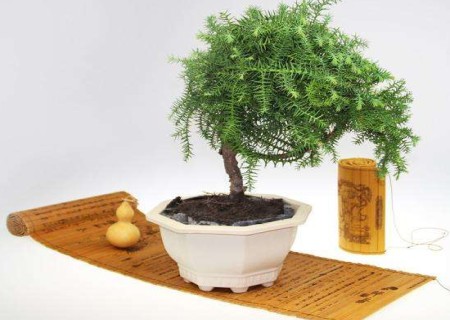
How to grow an Australian pine (Norfolk Island pine) bonsai? Detailed guide to care methods and precautions
The Australian pine is an evergreen tree; potted specimens are generally young trees, under 2 m tall. The crown is spire-shaped and dark green, and the bark of the crown often splits horizontally or peels off in strips; the new bark has a bronze sheen. The stem is upright, and the side branches are whorled and extend horizontally. The twigs are two-ranked and alternate, extending horizontally or slightly drooping
条件筛选