How to Make a Mountain Pine Bonsai? Key Points and Precautions Explained in Detail
Mountain pine, also known as Masson's pine (Pinus massoniana), is a common tree species. Material suitable for making bonsai is relatively scarce, and it grows slowly, making it difficult to shape and care for; however, its tree form is beautiful and can express many artistic conceptions, which makes it rather precious. Key points for making it:
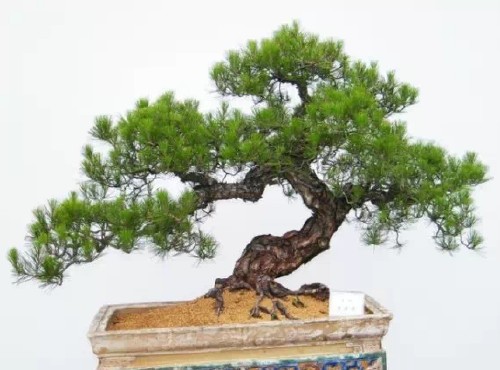
1. Collecting the stump: carry this out around the Beginning of Spring (Lichun) before the resin begins to flow, keeping a soil ball and protecting the fine roots. The soil ball must not crumble (this is the key to survival). Seal the root ends and wounds, remove two-fifths to one-half of the branches and foliage, and maintain a balance between roots and foliage. Transplanting mountain pine is best done from after the Beginning of Spring to the Spring Equinox, as the survival rate is highest when transplanted at this time. When transplanted between Awakening of Insects (Jingzhe) and the Spring Equinox, small pines with bare roots or loose soil also survive relatively easily. When transplanting mountain pine, bring soil along if possible; when transplanting, first dig a ring around it, then bind it tightly with rubber sheeting, and only then cut the main root. After the plant is lifted out, transport it back for planting as quickly as possible.
2. Planting: use a wide, large soil pot; a wooden box or planting in the ground is best. Use loose, breathable, clean soil, and do not disinfect or sterilize it. When the soil is mounded to two-thirds, water once to let it absorb; the next day add another one-third of dry soil to absorb moisture, maintaining appropriate dryness and moisture. In the early stage, to prevent prolonged rainy weather, a ring of plastic film may be draped over the slightly mounded soil, just enough to cover the pot or the planting hollow. Place it in a wind-sheltered, warm, sunny spot. For the soil, mix yellow earth, red earth, and coal cinders; yellow earth plus sand, or yellow earth plus coal cinders, may also be used. It is best not to use pure sand. When planting, firm it in with a wooden stick, and after planting water thoroughly to settle the roots.
3. Management: provide appropriate shade in the early stage, and full sun after it survives. Maintain good ventilation. Let the pot soil dry and then be watered, keeping it slightly dry. Use fertilizer as usual. Mist the foliage frequently every day. After the mountain pine survives, place it in a spot with abundant sunlight (preferably more than ten hours of sunlight per day) to help the branches and foliage grow faster and encourage many new roots.
4. Do not trust the saying "dry pine, wet cypress" too much. During the growing season, as long as drainage is good and the soil is breathable, watering every day does no harm.
5. It is best not to plant mountain pine in a glazed pot; use a pot slightly larger than the soil ball (my mountain pines are basically planted in wooden boxes).
6. Styling: combine pruning and cutting with wiring and grafting. Pay attention to forcing buds during the growing season and pinching the tips during the budding period.
Precautions:
1. Mountain pine is a full-sun plant, but it must not be exposed to blazing sun in summer. Insufficient sunlight will cause poor growth.
2. Regularly clean away old and dead needles, and maintain an appropriate amount of needles to facilitate ventilation and light.
3. Keep the care location relatively fixed; do not move it frequently.
4. Pruning and grafting wounds must be sealed promptly to prevent the loss of pine resin.
5. Mountain pine is a shallow-rooted tree species and should not be planted deeply.
6. Mountain pine has relatively high soil requirements and must be treated seriously.
7. When a mountain pine branch has no foliage, it easily contracts its nodes and dies.
In the early stage, pay attention to sheltering from wind and preventing shaking, so as not to shake the tree and pull the roots. Fix small trees with stakes and large trees with supports.