-

Occurrence and Control of Powdery Mildew on Japanese Euonymus
Symptoms: The disease affects leaves and twigs. The lesions are mostly distributed on the upper surface of the leaves. In the early stage of the disease, many small white round spots are scattered on the infected leaves. As the lesions gradually expand and merge with each other, they become irregular large spots. When the disease occurs severely, the infection rate of new shoots can reach 10%. White powder appears on the entire surface of the leaves and new shoots. The diseased leaves gradually lose green color, turn yellow, and finally turn brown-black. The diseased parts are deformed, the diseased leaves shrink, and the diseased shoots are twisted and stunted. Pathogen: The pathogen is Oidium euonymi
-
A Detailed Explanation of the Occurrence Patterns and Control Methods of the Ginger Borer
The ginger borer (also known as the corn borer, belonging to the Lepidoptera order and the Pyralidae family) is a major pest harming ginger. It has a very diverse diet; when causing damage, its larvae bite and feed on tender stems, then bore into the stalk (with frass and insect droppings accumulating at the entry hole), obstructing the transport of water and nutrients, causing the stems and leaves above the bore hole to turn yellow and wilt, and to break very easily under external force. 1. Occurrence patterns. The ginger borer generally produces 3-4 generations per year in our area, and its concentrated damage period coincides exactly with the vigorous growth period of ginger plants. Larvae move between plants to cause damage
-
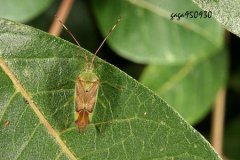
Occurrence of the bamboo mirid bug on crops and its control methods
The bamboo mirid bug is a pest you surely know about. So how do you control it and eliminate its harm to agriculture? Let's take a look below. Currently, chemical control can still effectively control the bamboo mirid bug, but because it is not suitable to apply pesticides during the continuous bamboo shoot harvesting period (April to October)
-
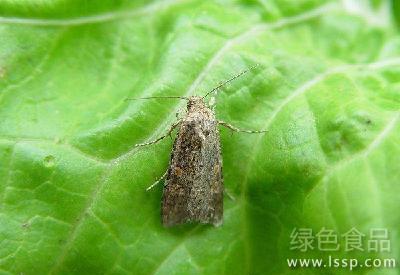
Occurrence Patterns and Control Methods of the Beet Armyworm Pest
Occurrence Patterns and Control Methods of the Beet Armyworm Pest
-
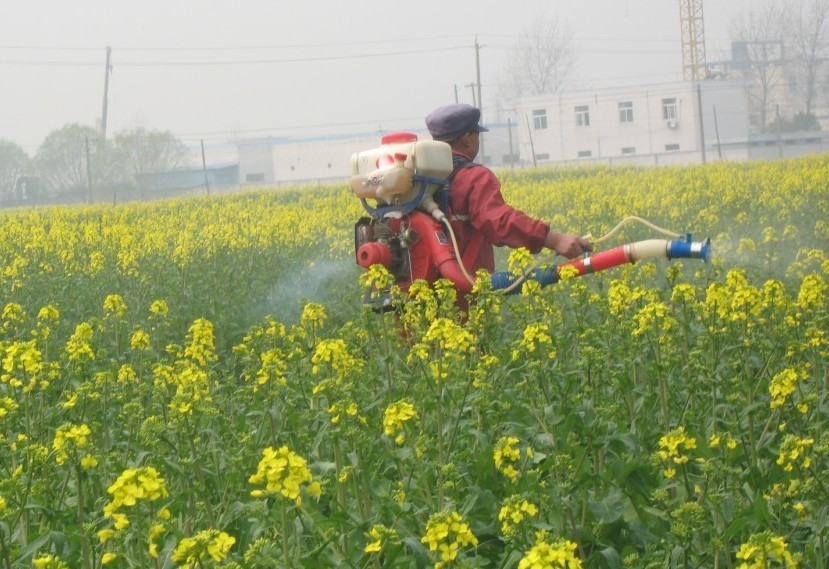
Occurrence Conditions and Control Techniques of Sclerotinia Rot of Rapeseed
Occurrence Conditions and Control Techniques of "Sclerotinia Rot" in Rapeseed
-

Occurrence and Control of Carnation (Dianthus caryophyllus) Leaf Spot
Carnation, also known as clove pink or musk carnation, is highly susceptible to leaf spot, which affects its growth and development and reduces the yield and quality of cut flowers.
-

Downy Mildew in Lisianthus: Occurrence Patterns and Control Methods
Lisianthus plants grow 30-100 cm tall. The leaves are opposite, broadly elliptic to lanceolate, nearly sessile, with the leaf base slightly clasping the stem; the leaf surface is blue-green. The stamens and pistils are prominent, the bracts are narrow and lanceolate, and the petals are arranged in overlapping fashion. Flower colors are rich, including solid and bicolor forms, with single and double petal types.
-

How to control the main pests and diseases of lilac? Detailed explanation of occurrence characteristics and control measures
What are the common pest and disease species of lilac? How to control them? Today the editor of Huinong Network will introduce a funded project mainly discussing the occurrence characteristics and control management of lilac pests and diseases. Interested farmer friends, hurry up and learn!
-
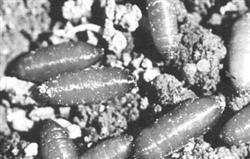
A Detailed Explanation of the Occurrence Patterns and Control Methods of Garlic Root Maggots
Root maggots is the collective term for the larval stage of Diptera pests that damage garlic and other crops. In recent years, the occurrence of garlic root maggots has shown a trend of increasing year by year. Root maggot damage can cause garlic yield reduction and has a major impact on garlic quality, with severe damage leading to serious economic losses. Garlic root maggots (larvae) generally gather on garlic roots and...
-
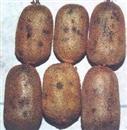
Occurrence Patterns and Control Methods of Kiwifruit Gray Mold
Kiwifruit gray mold mainly occurs during the flowering stage, young fruit stage and storage period of kiwifruit. In severe years, the incidence rate in orchards and during storage can reach more than 50%. Kiwifruit gray mold has become one of the main diseases affecting the healthy development of the kiwifruit industry. 1. Symptoms When young fruit (late May to early June) is affected, residual stamens and petals are densely covered with gray spores. At the initial stage, the fuzz on young fruit turns brown, the skin is infected, and in severe cases it can cause fruit drop. Contaminated stamens and petals attach to leaves and form concentric ring lesions centered on them; the lesions expand and leaves drop. If rain occurs, the disease develops more severely. After fruit is affected, gray-brown mycelium and spores form on the surface, followed by black sclerotia. During storage, fruit is easily infected by diseased fruit.
条件筛选