Occurrence Conditions and Control Techniques of Sclerotinia Rot of Rapeseed
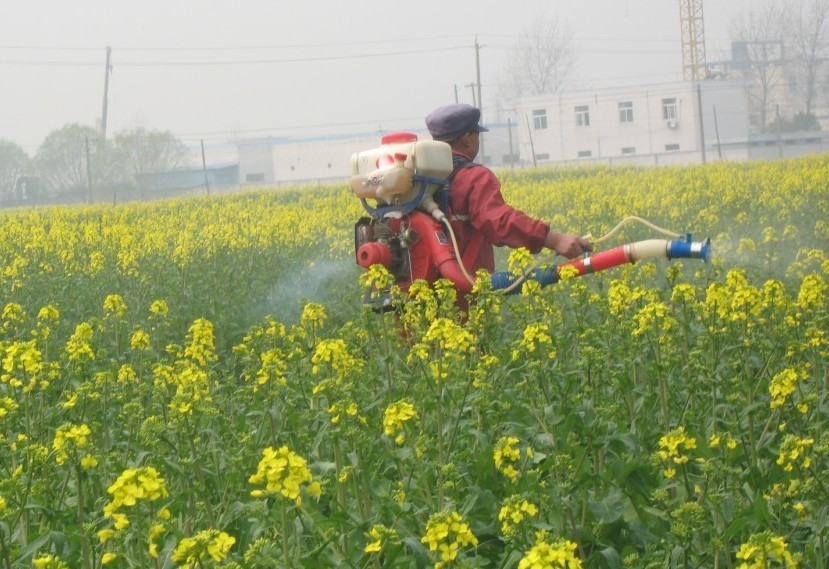
Control of Sclerotinia Rot in Rapeseed
Sclerotinia rot of rapeseed can occur throughout the entire growth period of rapeseed, with the most severe occurrence during the pod-setting stage. Stems, leaves, flowers and pods can all be affected, with stem damage being the most severe. After the epidermis of diseased stems cracks, they break easily, causing the stems above the diseased area to wilt and die.
I. Occurrence Conditions
In winter-sown rapeseed areas, a small number of sclerotia germinate from October to December, causing seedling infection, while the vast majority of sclerotia germinate between March and April of the following year. Continuous cropping, excessively dense sowing, and excessive or one-sided application of nitrogen fertilizer make the disease more likely to occur. Low-lying terrain, poor drainage or stagnant moisture, lodging of plants, frequent cold waves in early spring, or frost damage all lead to severe occurrence of the disease.
II. Control Methods
Based on the occurrence and damage characteristics of sclerotinia rot, a combination of agricultural control and chemical control is necessary to curb its spread.
1. Implement rice-rapeseed rotation or rotate dryland rapeseed with gramineous crops for more than two years.
2. In rainy areas, adopt the narrow-bed deep-ditch cultivation method, which helps drain water and prevent waterlogging in spring. Drain water promptly after rain to prevent moisture retention.
3. Select disease-resistant and disease-tolerant varieties.
4. Carry out seed treatment before sowing. Use 10% salt water to select seeds, remove the floating diseased seeds and small sclerotia, and sow the selected seeds after drying.
5. Every September, select a good seedbed, cultivate short and sturdy seedlings, transplant at the appropriate time when rotating crops, and achieve reasonable close planting. For hybrid rapeseed, plant 10000-12000 plants per 667 sq m.
6. Adopt formula fertilization techniques, advocate the application of compost fermented with effective microorganisms or decomposed organic fertilizer, avoid one-sided application of nitrogen fertilizer, and apply phosphate and potassium fertilizers along with trace elements such as boron and manganese, to prevent excessive vegetative growth, lodging, or premature senescence due to nutrient deficiency during the flowering and podding stages. Carry out timely intertillage or ditch clearing and earthing up, and promptly remove yellow and old leaves at full bloom to prevent the spread of pathogens, improve ventilation and light conditions between plants, and reduce disease occurrence.
7. Chemical control. First, in early to mid-March at the full bloom stage of rapeseed, spray type I and type II rapeseed fields with 80% carbendazim ultramicro powder at 1000 times dilution or 40% carbendazim-sulfur suspension concentrate at 400 times dilution, and carry out a second treatment 7 days later.