-
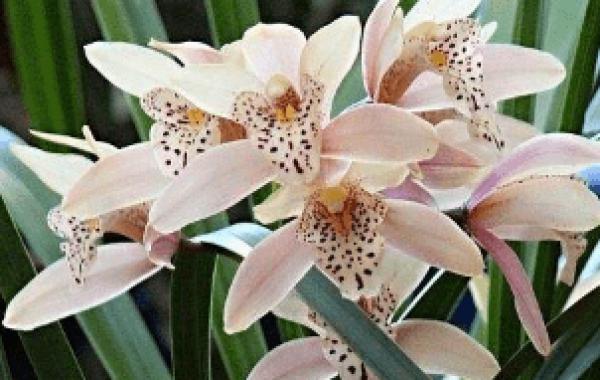
Detailed Explanation of the Occurrence and Control Techniques of Common Orchid Pests and Diseases
What are the occurrence and control techniques for common orchid pests and diseases?
-

Occurrence Characteristics and Control Methods of Walnut Canker
1. Distribution and occurrence characteristics. It is distributed in most walnut-producing areas. The pathogen mainly overwinters as mycelium within the diseased tissue of the current year. In April of the following year, when the temperature rises to 11.4-15.3°C, it begins to become active. In late May, conidia are formed in large numbers and spread by wind, rain, and other means, mostly invading through wounds
-
What are the occurrence patterns and control measures of the tea tussock moth?
The tea tussock moth is an important pest in China's tea-growing regions, an insect of the genus Euproctis in the family Erebidae of the order Lepidoptera, also known as the tea yellow tussock moth, head-swinging worm, etc. It is distributed in all tea-producing provinces of China, mainly damaging tea leaves, and can also damage tea-oil camellia, citrus, etc. When outbreaks are severe, tea plant
-
What are the causes of calf diarrhea and what are the prevention and treatment methods?
The calf is a crossbred cattle type. It is mainly produced by using improved beef breeds such as Simmental cattle, Charolais cattle, and Limousin cattle as the sire, and Luxi Yellow cattle as the dam for crossbreeding improvement. So what should be done about calf diarrhea? What are the causes of its occurrence and the prevention and treatment methods? 1. Causes of calf diarrhea
-
What Causes Algae Die-off in Ponds? Detailed Explanation of Causes and Prevention Methods
Friends in aquaculture all know that once algae die-off occurs in a culture pond, the fish and shrimp in the water are in danger. If it cannot be handled properly in time, it can easily cause rapid deterioration of water quality and mass death of fish and shrimp, causing great economic losses to farmers! Pond algae die-off
-
How to prevent the occurrence of small silkworms and lost silkworms, and increase silkworm cocoon yield?
The level of silkworm cocoon yield is not only related to the weight of a single cocoon, but to a large extent depends on the number of silkworms per sheet of eggs, so preventing the occurrence of small silkworms and lost silkworms during rearing is an effective measure to increase the yield per sheet of eggs. 1. Reasonable temperature and humidity. During the young silkworm stage, reasonable temperature and humidity should be maintained.
-
How to prevent swarming fever during the process of keeping Chinese bees (Apis cerana)
When a colony develops to a certain number of bees, and the brood combs in the hive reach four or five frames, natural swarming often tends to occur easily. During the swarming process, worker bees inevitably become idle and the queen's egg-laying rate declines. Especially when swarming occurs during the main honey flow, a large colony splits into small ones, which will
-
How to Treat Foot-and-Mouth Disease in Sheep? Detailed Explanation of Symptoms and Transmission Routes
Foot-and-mouth disease in sheep is commonly known among farmers as mouth sores, hoof rot, and similar names. It is an acute, febrile, highly contagious disease caused by the foot-and-mouth disease virus and shared by cloven-hoofed animals. Both goats and sheep can contract this disease, and it can sometimes be transmitted to humans. So how do you treat foot-and-mouth disease in sheep?
-
What causes diarrhea in farmed ducks?
Duck meat is firm in texture, not fatty to eat, and has a certain nutritional value; it is suitable for braising or making soup. Nowadays there are relatively few small-scale duck farmers, and most are large-scale operations. During duck farming, if diarrhea occurs, what are the causes? How can it be prevented
-
Rubber Plant Yellow Leaves and Leaf Drop: Causes and Solutions
The rubber plant (Ficus elastica) is an evergreen woody foliage plant with relatively large, thick leathery, glossy leaves that are round to oblong, dark green on the upper surface and pale green beneath. Placed in the home, it is a very lively plant, but sometimes small problems arise, such as rubber
条件筛选