-

Key technical points for hand pollination of watermelon
(1) Flower-to-flower pollination method: Gently lift the female flower's stalk so that the stigma is exposed, then select a male flower that opened the same day, pick it together with its stalk, turn the petals outward to expose the stamens, and gently smear the pollen onto the stigma of the female flower at the fruit-setting node, so that the pollen is evenly scattered on the stigma. Generally, 1 male flower can pollinate 2...
-
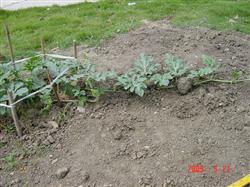
Detailed Explanation of Key Techniques for Watermelon Vine Pressing and Pruning
Vine pressing and pruning are major technical steps in watermelon cultivation management. Through vine pressing and pruning, land and light energy can be used effectively, and the growth and distribution of watermelon stems and vines can be regulated and suppressed, thereby improving watermelon quality and yield. 1. Vine pressing Before vine pressing, first lay the seedlings down and mound soil around the root zone. When the seedlings have 5-6 true leaves and are about to begin vining...
-
Key Cultivation and Control Techniques for Major Watermelon Pests and Diseases
Yu Yongjun, a villager from Group 3 of Yuwanggang Village, Qifang Town, Zaoyang City, Hubei Province, once hailed as the "Watermelon King," has through years of practice worked out a good method for making watermelons sweeter, now offered to fellow growers for reference. 1. About 1 week after fruit set, dig a hole 10 cm from the main root, apply 50 g of cake fertilizer per plant, cover with soil and water. This method can make...
-
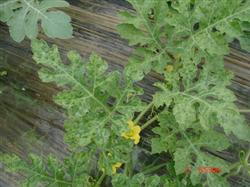
Be Alert to the Harm of a New Watermelon Virus, Growers Should Pay Attention to Early Prevention and Control
A quarantine viral disease, Cucumber green mottle mosaic virus, has been detected. Taking precautions is warranted, but pulling up plants and replanting without any reason is unnecessary. Here, we introduce this newly emerging viral disease. Cucumber green mottle mosaic virus has a relatively narrow host range, occurring mainly on cucurbits...
-
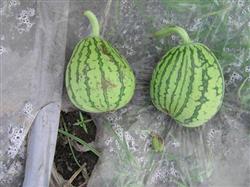
Why is it hard for watermelons to set fruit, and why are there so many deformed fruits?
During the production process, watermelons are often affected by unfavorable factors, which can lead to difficulty in setting fruit and a large number of deformed fruits, reducing yield and marketability and directly affecting growers' income. The reasons for difficulty in setting fruit and a large number of deformed fruits in watermelons are as follows: abnormal weather conditions. During the flowering and fruit-setting period of watermelons, high temperatures, ...
-
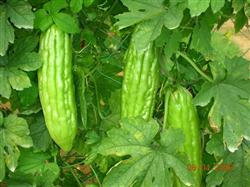
Remember these four key points for high-yield spring bitter melon cultivation
Bitter melon fruit is rich in vitamin C, higher than tomatoes, and contains a glycoside that gives it a distinctive bitter taste, making it one of the popular health vegetables. Growing spring bitter melon means mild diseases, low costs, high yields, and good returns. The high-yield cultivation techniques for spring bitter melon mainly include the following four key points: select good varieties, raise seedlings at the right time. Spring planting...
-
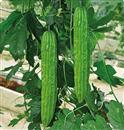
Bitter melon topdressing should not be applied by flushing; master the correct fertilization method
At present, the topdressing method commonly used by vegetable growers cultivating bitter melon is flushing with water, which can apply fertilizer evenly into the soil, but this method of topdressing is not advisable. The reason is that bitter melon is planted at a relatively low density, only 200-300 plants per mu, with only 3-6 plants per row. When topdressing is applied by flushing with water, the fertilizer utilization rate is very...
-
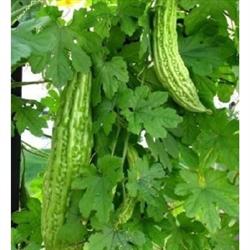
A Complete Guide to Scientific Fertilization Methods for Bitter Melon
High-yield and High-profit Cultivation Techniques for Bitter Melon in Winter-warm Plastic Greenhouses as Protected Cultivation: Choose a winter-warm greenhouse with good lighting and strong insulation as the horticultural facility for off-season bitter melon cultivation. Compared with cucumber, loofah, and zucchini, bitter melon requires relatively higher light intensity and higher temperatures for growth and development, and has poorer tolerance to low temperatures and weak light. Bitter melon...
-
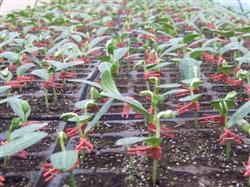
Key Technical Points for Pollution-Free High-Efficiency Cultivation of Bitter Melon in Greenhouses
I. Grafting Seedling Cultivation 1. Seedling Raising Methods The rootstock is raised in nutrient pots, and the scion is raised in sterile soil to strictly prevent soil-borne disease infection. Soak bitter melon seeds in a 75% thiophanate-methyl 800-fold solution for 12 hours, then soak in clean water for 16 hours, remove and air-dry, bury in sand for 2 days of warm germination; disinfect the nutrient soil with quintozene...
-
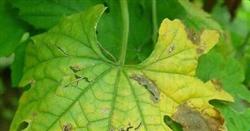
Act quickly to prevent and control diseases in eggplant, melon and bitter gourd
New leaves become smaller, narrow and elongated, shrunken, hardened and distorted; diseased plants are obviously stunted and find it hard to set fruit; even if fruit is set, it is deformed and hardened with a mottled surface.%26rdquo; Recently, a farmer brought a diseased bitter gourd vine and anxiously went to the municipal plant protection station for consultation and told this author about it, asking what disease it was and seeking a solution...
条件筛选