Key technical points for hand pollination of watermelon
(1) Flower-to-flower pollination method: Gently lift the female flower's stalk so that the stigma is exposed, then select a male flower that opened the same day, pick it together with its stalk, turn the petals outward to expose the stamens, and gently smear the pollen onto the stigma of the female flower at the fruit-setting node, so that the pollen is evenly scattered on the stigma. Generally, 1 male flower can pollinate 2...
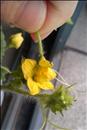
(1) Flower-to-flower method Pollination: Gently lift the female flower's stalk so that the stigma is exposed, then select a male flower that opened the same day, pick it together with its stalk, turn the petals outward to expose the stamens, and gently smear the pollen onto the stigma of the female flower at the fruit-setting node, so that the pollen is evenly scattered on the stigma. Generally, 1 male flower can pollinate 2 to 4 female flowers.
(2) Brush-dipping method Pick male flowers that opened the same day, collect the pollen into a clean container (such as a petri dish or bowl) and mix it, then use a soft brush or small brush to dip up the pollen, aim it at the female flower's stigma, and gently smear it a few times. It is sufficient to see obvious yellow pollen on the stigma.
(3) Key points for pollination in rainy weather If there is a lot of rain during the watermelon flowering period and normal pollination is affected, 1 day in advance before the rain, put paper caps (or small plastic bags) on the female and male flowers to protect them from rain. When pollinating, remove the paper caps (or small plastic bags) to carry out pollination; after pollination, the female flower should still wear a paper cap (or small plastic bag) for protection and remove it after 3 days. If showers occur during flowering and pollination, pollinate 2 hours after the rain. Pollination should be completed within 3 hours; if there is light rain within 3 hours, pollinate once again.
Regardless of which method is used, after pollination a paper tag of a different color should be hung at the node of the pollinated fruit for marking. This not only confirms that pollination has been carried out and prevents repeated pollination, but also makes it easy to determine the watermelon's maturity period so that it can be harvested at the right time.
(4) Check the effect of artificial supplementary pollination
In the afternoon of the next day after pollination, if the female flower's stalk bends and droops as it grows, and the front end of the ovary begins to touch the ground, it indicates successful pollination. If the female flower's stalk is still pointing upward or still extending straight forward, generally speaking this indicates that pollination was not successful. At this time, pay attention to clearing the marker tag on that plant and select a female flower again for pollination.