-
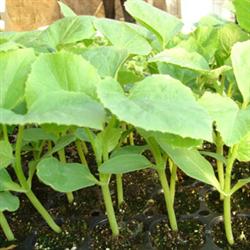
Open-field sowing methods and technical key points for melons
Open-field melon sowing method: open-field melons are grown using plastic film mulching with a water-and-dry bed system. Generally, the water bed is 0.5 m wide, the dry bed is 1.5-1.8 m, and the furrow is 20 cm deep. A north-south orientation of the beds is best. Before forming the ridges, open a small furrow (8-10 cm) with a small plow on both sides of the dry bed at 30 cm from the ridge edge line and apply organic fertilizer. The ridge height is 20 cm, the top opening of the water furrow is about 50 cm wide, and the depth is...
-
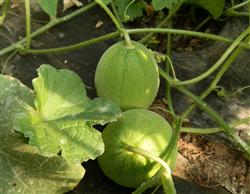
Open-field Melon Cultivation Techniques and Management Key Points
1. Production site conditions: 1.1 Temperature conditions The minimum temperature required for thick-skinned melons is 15°C, the optimum temperature is 18°C-32°C, and the effective accumulated temperature ≥15°C required throughout the growth period is above 1500°C. 1.2 Soil conditions The soil layer is deep, with a pH of 7.0-8.0 being suitable, soil salt content below 0.3%, and a loam or sandy loam texture...
-
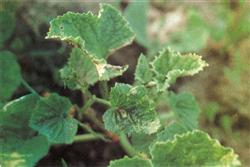
What to Do When Open-Field Melons Get Mosaic Virus Disease? Symptom Identification and Control Methods
Symptoms: In the early stage of the disease, the leaves show mosaic mottling interwoven with yellow-green and dark green, the leaves become smaller, and the leaf surface is wrinkled, uneven, and curled. The main vine is distorted and stunted, the plant is dwarfed, the melons are small, and the fruit surface has mottled patches of alternating light and dark, or slight bump-like protrusions. Causes: The incidence of mosaic virus disease has been relatively high in recent years...
-
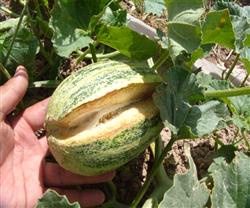
Detailed Explanation of the Key Technical Points for the "Three-Avoidance" Cultivation of Melons
Scientific fertilization. According to the fertilizer and water requirements during the melon's growth period, supply fertilizer and water in a balanced manner; do not irrigate or fertilize blindly. When fertilizing, not only should sufficient base fertilizer be applied to meet the needs of the melon's early growth, but also timely topdressing should be carried out in the later stage of melon growth to meet the fertilizer requirements of the melon's later growth. Reasonable irrigation...
-
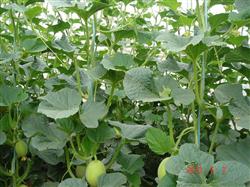
Analysis of Why Melons Fail to Set Fruit and Effective Measures to Overcome It
1. Promoting flowers and preserving fruit: At the early flowering stage, young fruit stage and fruit swelling stage, spray the Zhuangguadi Ling solution once each time. This can thicken the fruit stalk, strengthen the targeted nutrient supply, promote rapid fruit development, produce attractive fruit shape with abundant juice and good flavor; during the growth cycle there will be no flower drop, no fruit drop, no split fruit, and no deformed fruit. At the same time, strengthen field fertilization and irrigation...
-
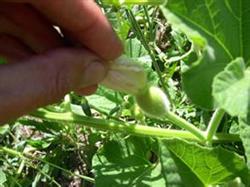
What are the fertilizer requirements for melon cultivation?
Based on the fruiting habits of melons, there is no pollen on the tip of the female flower, and pollen is only found around the corolla. It is necessary to manually remove the corolla and shake out the pollen, then use a brush to pick up a little of the shaken-out pollen and apply it to the stigma of the female flower. However, note that manual pollination must be done on a sunny day with no dew, and the brush must be kept clean, otherwise pollination will not suc...
-
Causes and Control Methods of Deformed Melon Fruits
For melons raised in greenhouses and grown with double-film cultivation, the fruit-setting rate is not high, and flower and fruit drop is very serious. According to surveys, some drop rates reach as high as over 70%, especially for thick-skinned melons, where the drop rate is even higher. This affects both yield and quality, delays the melon's time to market, and reduces profits. The reasons are: first, too much base fertilizer was applied...
-
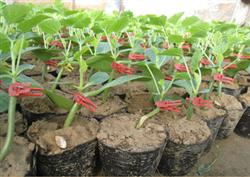
Detailed Explanation of Key Management Techniques for Melons During the Fruiting Period
When cultivating melons, continuous cropping is the greatest taboo. To ensure successful melon cultivation year after year, grafted seedlings are used for production in all regions, and the grafting method mostly used is the approach grafting method. Melon growers in Luannan County, Hebei Province, improved the approach grafting method and achieved very good results. Using pumpkins with strong disease resistance and cold resistance as rootstock gives high yields...
-
What to Do About Potassium Deficiency in Melons? Detailed Prevention and Control Methods
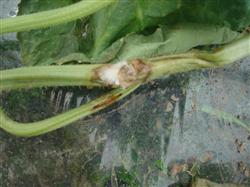
While inspecting the growth of watermelons and melons, a few melon plants at the flowering and fruiting stage were found to be affected by sclerotinia rot. This disease generally occurs sporadically and has no obvious impact on melon production. In a few greenhouses, however, the incidence was more severe, causing dead vines and rotten melons and affecting yield. Prevention and control methods: (1) Pay attention to ventilation and dehumidification, and promptly remove old leaves at the base during the growing period...
-
Detailed Guide to Seed Treatment Methods Before Sowing Melons
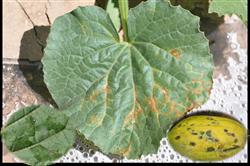
■Symptoms: The symptoms of bacterial fruit blotch on the leaves of common melons and Hami melons are similar to those of angular leaf spot of cucumber on cucumber leaves, but this disease infects the leaf veins and spreads along them. Leaf spots are round to polygonal, with the edges initially V-shaped and water-soaked, later becoming thin in the middle, and the spots dry up. The underside of the spots...
条件筛选