Be Alert to the Harm of a New Watermelon Virus, Growers Should Pay Attention to Early Prevention and Control
A quarantine viral disease, Cucumber green mottle mosaic virus, has been detected. Taking precautions is warranted, but pulling up plants and replanting without any reason is unnecessary. Here, we introduce this newly emerging viral disease. Cucumber green mottle mosaic virus has a relatively narrow host range, occurring mainly on cucurbits...
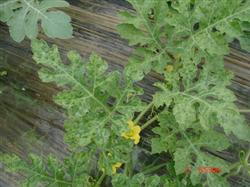
A quarantine viral disease, Cucumber green mottle mosaic virus, has been detected. Taking precautions is warranted, but pulling up plants and replanting without any reason is unnecessary.
Here, we introduce this newly emerging viral disease. Cucumber green mottle mosaic virus has a relatively narrow host range, occurring mainly on several cucurbit crops such as cucumber, watermelon and melon, and it can cause disease at both the seedling and mature plant stages. The virus is a mosaic virus, and its symptoms resemble those of common mosaic viruses (mainly Tobacco mosaic virus and Cucumber mosaic virus). It mainly manifests as slow plant growth and development, irregular fading or pale yellow mosaic, green areas raised above the surface, uneven leaf surface, and upward curling leaf margins, followed by dark green raised mottled patches, with symptoms easing as the leaves age. The virus has a relatively large impact on the fruit. On cucumber, it manifests as yellowing or whitening of the fruit, along with dark green blister-like necrotic spots; watermelon fruit surfaces become uneven, make a dull sound when tapped, and the flesh shows severe discoloration or deterioration and rot, becoming spongy like a loofah sponge at maturity, commonly known as "bloody flesh", bitter in taste and inedible.
In terms of transmission routes, the virus spreads mainly through seeds and contact (sap contact or farming operations), and can also spread through soil, but the virus has not yet been found to be transmitted by insect vectors. Therefore, in early spring crops of watermelon in polytunnels, large-scale outbreaks before April are mostly caused by this virus, and vegetable growers should pay special attention during the watermelon seedling stage and after transplanting.
To prevent this virus, first do a good job of seed disinfection. Seeds can be soaked in a 10% trisodium phosphate solution for 10-20 minutes to avoid seed-borne transmission of the virus. If suspected viral symptoms are found at the seedling stage, the plants should be pulled up immediately, the surrounding plants should be isolated and observed, and sprays of ningnanmycin, Virus A, chitosan and the like should be applied for prevention. If the virus has already broken out over a large area, the crop rotation should be changed in good time, and susceptible crops such as watermelon and cucumber should no longer be replanted; instead, solanaceous fruits, legumes and the like should be planted, which can avoid the spread and occurrence of this virus.