-
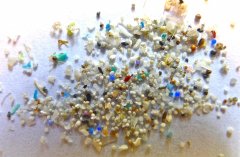
Bioplastics do not use petroleum and degrade very quickly. Is there a solution to the plastic waste crisis?
Plastic waste crisis? What can be done? Bioplastics do not use petroleum and degrade very quickly. Currently, a new study from Tel Aviv University in Israel describes the process technology for making bioplastic polymers derived from microorganisms that feed on seaweed.
-
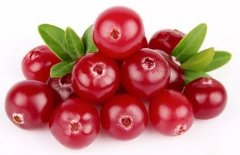
Is cranberry useful for mold infections and gynecological inflammations such as cervicitis?
Cranberry, also known as lingonberry, is a plant that grows in North America (especially Massachusetts). In recent decades, it has been widely used to prevent or treat bacterial infections of the urinary tract and vagina. What are the benefits of this fruit? Is it really helpful for gynecological inflammation?
-
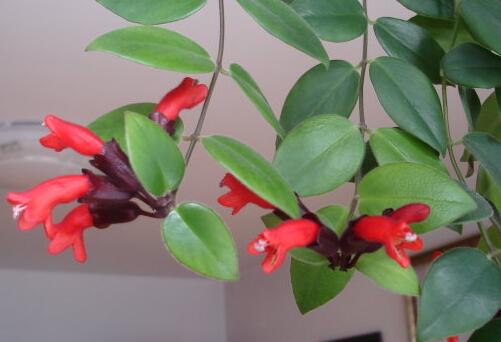
Can Lipstick Plant Be Grown in Water? A Detailed Guide to Its Ecological Habits and Propagation Methods
Lipstick Plant prefers a semi-shaded environment. Throughout the year, apart from the intense midday sun in midsummer, which should be properly shaded, it should be given sufficient light at other times, especially in winter. If the placement site has light that is too strong or insufficient, the leaves will easily turn pale green or yellow-green. So can Lipstick Plant be grown in water? Below, the editor brings you the detailed content.
-
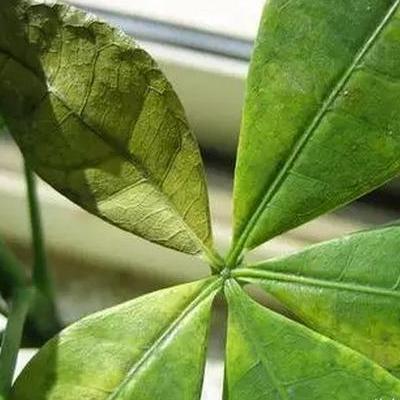
What Are the Symptoms of Physiological Diseases in Flowers and Plants and How to Treat Them
Flowers and plants are something many people love to grow, but when they get sick, it is a real headache. What are the symptoms of physiological diseases in flowers and plants? What to do about physiological diseases in flowers and plants: What are the symptoms of physiological diseases in flowers and plants: The first is leaf discoloration. The leaf color becomes lighter, or turns yellow or white
-
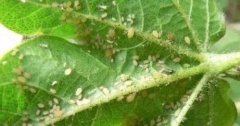
Morphological Characteristics and Damage Symptom Identification of the Cotton Aphid on Flowers
Among the common insect pests of flowers, the cotton aphid causes very serious damage. Let us take a look below at the harmful habits and morphology of the cotton aphid. Damage habits: The cotton aphid is a very common aphid on general herbaceous flowers, occurring on plant buds, young leaves, or flower buds and corollas
-
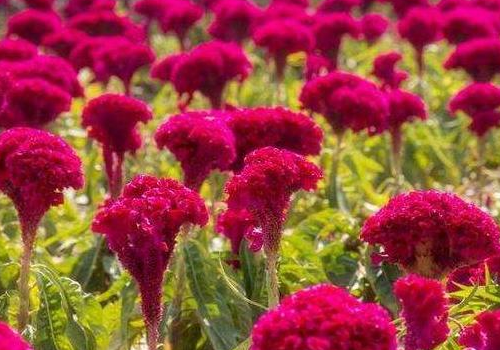
Cockscomb: Pronunciation and Its Benefits for Gynecological Conditions
Cockscomb is a plant that many people love to grow; its flowers are red and truly beautiful.
-

What are microecological preparations, what types are there, and what are their application scopes?
Applications of microecological preparations
-
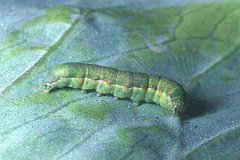
What do beet armyworm larvae and adults look like? A detailed breakdown of their morphological features
We know that the beet armyworm is a pest, but do you understand its ecological habits and morphology? Let's take a look together. Ecological habits: The adult beet armyworm hides by day and comes out at night, resting on the undersides of leaves or in dark places during the day, and beginning activity and mating after sunset.
-
Morphological Characteristics of Polygonatum and Introduction to Suitable Growing Environments
[Morphological Characteristics] Perennial herb, plant height 30-120 cm. The whole plant is hairless. The rhizome is yellowish-white, slightly sweet in taste, thick and fleshy, growing horizontally, formed by several chicken-head-shaped sections connected into a shape thick at the head and tapering at the tail; the end bearing the stem is relatively thick, and after the stem withers it leaves a round stem scar like a chicken's eye; the nodes are distinct, with a few roots growing at the nodes. The stem is single, slightly curved, cylindrical. Leaves are usually in whorls of 4-5, sessile; the leaf blade is linear-lanceolate, with a curled tip, grayish bloom on the underside, parallel main veins, and the central vein thick and raised on the underside.
-
What does Polygonatum look like? A detailed introduction to the morphological characteristics of Polygonatum
Polygonatum is a perennial herb. The rhizome is horizontal, fleshy, and pale yellow, sometimes with a protruding tip resembling a chicken's head. The stem is erect, 50-90 cm tall. The leaves are whorled, 4-6 per whorl, linear-lanceolate, 8-15 cm long and 04-1.6 cm wide, with curled tips. The flowers are axillary, usually in 2-4 small flowers, drooping, with the peduncle 1-2 cm long; the perianth is tubular, white to pale yellow, 0.9-1.2 cm long, with 6 shallow lobes at the tip, 6 stamens, the filaments relatively short, 0.5-1 mm long, and the style length
条件筛选