-

-
Six precautions to note when using bacterial biological insecticides
Biological pesticide: BT, Chinese name Bacillus thuringiensis, is a bacterial insecticide. This variety has been fully used in the main vegetable-growing areas of our country and has achieved good economic benefits. However, there are currently many BT manufacturers with varying quality, so when using it you must choose a variety of good quality. Note: BT is effective when the temperature is slightly higher...
-
Six key taboos to remember when using bacterial biological insecticides
Edible fungi suffer pest damage during the mycelium growth and mushroom fruiting stages due to the distinctive odor of the mycelium, so insecticides are often used when pest damage occurs. When pest damage occurs in edible fungi, the first step is to choose insecticides that are highly effective, low in toxicity, and have a short residual life, such as decis and dichlorvos; do not use banned substances such as benzene hexachloride (BHC) and DDT...
-
What are the scientific methods for using bacterial biological insecticides?
From rice sowing to the seedling stage, farmers should focus on controlling seed-borne diseases (bakanae disease, rice blast at the seedling stage, white-tip nematode disease, etc.), the small brown planthopper, and the first-generation stem borers. At the rice booting stage, the focus should be on controlling pests and diseases such as the rice planthopper, rice leaf roller, stem borers, ear blast, and rice false smut. At the rice ear stage, the rice planthopper is the main target, along with...
-
Detailed Explanation of Key Points for Using Bacterial Biological Insecticides
Bacterial biological insecticides have advantages such as high insecticidal rate, no environmental pollution, safety to natural enemies, harmlessness to humans and livestock, and not inducing pest resistance. They are a new type of protective pesticide currently promoted for use in pollution-free cultivation. Because their control effect mainly depends on the bacterial activity in the pesticide, the following points need to be kept in mind during use...
-
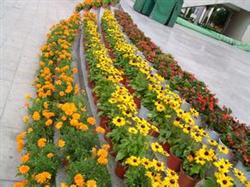
Recommended Biological Insecticides and Fungicides for Flowers
In flower production, using biological pesticides to control pests and diseases is both safe and environmentally friendly, and is very popular among flower growers in the market. Below are several commonly used insecticides and fungicides. For nicotine, the commonly used form is 10% nicotine emulsifiable concentrate, widely used to control pests such as scale insects, red spiders, aphids, and whiteflies on many flower and tree plants, with...
-
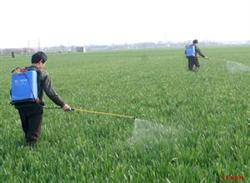
What are the precautions for using bacterial biological insecticides?
To use pesticides to control crop pests and achieve the best insecticidal effect, while selecting the right pesticide and applying it at the right time, you must, based on the three factors that affect efficacy, pay attention to solving the two easily overlooked problems of timely application and delivering the pesticide to the target. 1. The three factors affecting efficacy. 1. Climate. Application...
-
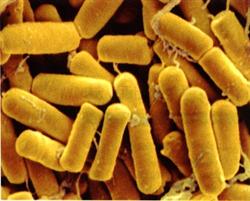
What are the precautions for using bacterial biological insecticides?
Bt is a bacterial biological insecticide commonly used in vegetable production today, and its effect on controlling Lepidoptera larvae is especially pronounced, but the following points should be noted when using it: 1. Check whether the quality of Bt passes muster; this can be tested by "smelling." Normal Bt products all contain a certain amount of bacteria; when the lid is opened...
-
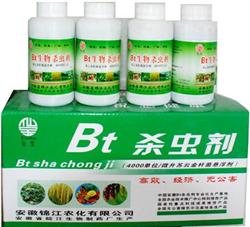
What are the precautions for applying biological pesticides?
What should be noted when applying biological pesticides? How can biological pesticides improve their efficacy? Experienced netizens are also asked to help explain. Biological pesticides refer to formulations that use living organisms (fungi, bacteria, insect viruses, genetically modified organisms, natural enemies, etc.) or their metabolites to kill or inhibit agricultural pests,...
条件筛选