-
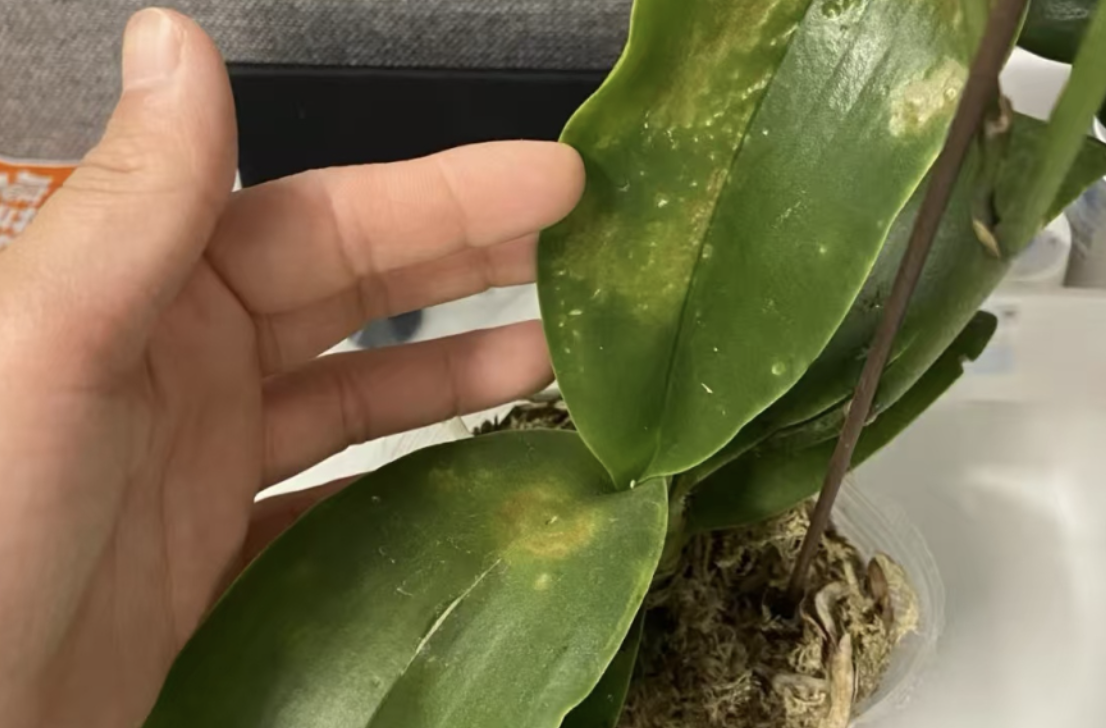
How can soft rot in Phalaenopsis orchids be treated effectively?
The biggest concern when growing plants is placing them in a dark, sunless spot, and this is especially true for the beloved Phalaenopsis orchid. It is a
-

How to best treat aphids on Phalaenopsis orchids, and is imidacloprid effective at killing aphids?
To care for Phalaenopsis orchids well, besides daily watering, fertilizing, and providing light, you also need to prevent pests. If you like keeping plants on an outdoor balcony, the most common insect is the "aphid," because this insect loves to parasitize any plant, is very hardy, and arrives in swarms, looking
-
Does imidacloprid kill aphids, and is it effective?
To take good care of butterfly orchids, in addition to regular watering, fertilizing, and providing light, you also need to prevent the occurrence of pests. If
-
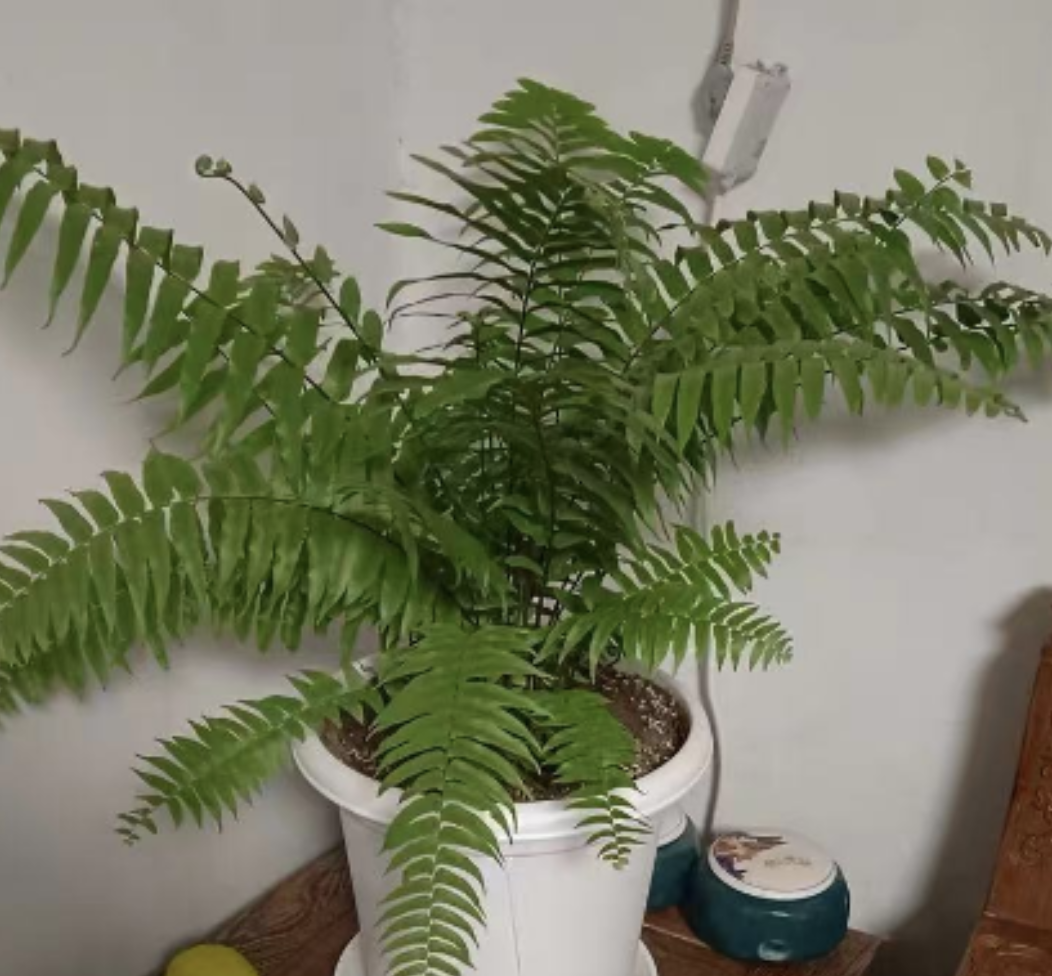
Best Green Plants for Post-Renovation Homes: Effective Formaldehyde Absorption and Easy Care
Friends who’ve just finished a full-home renovation or custom furnishing often wonder: “The smell indoors is still strong—what green plants can help absorb
-
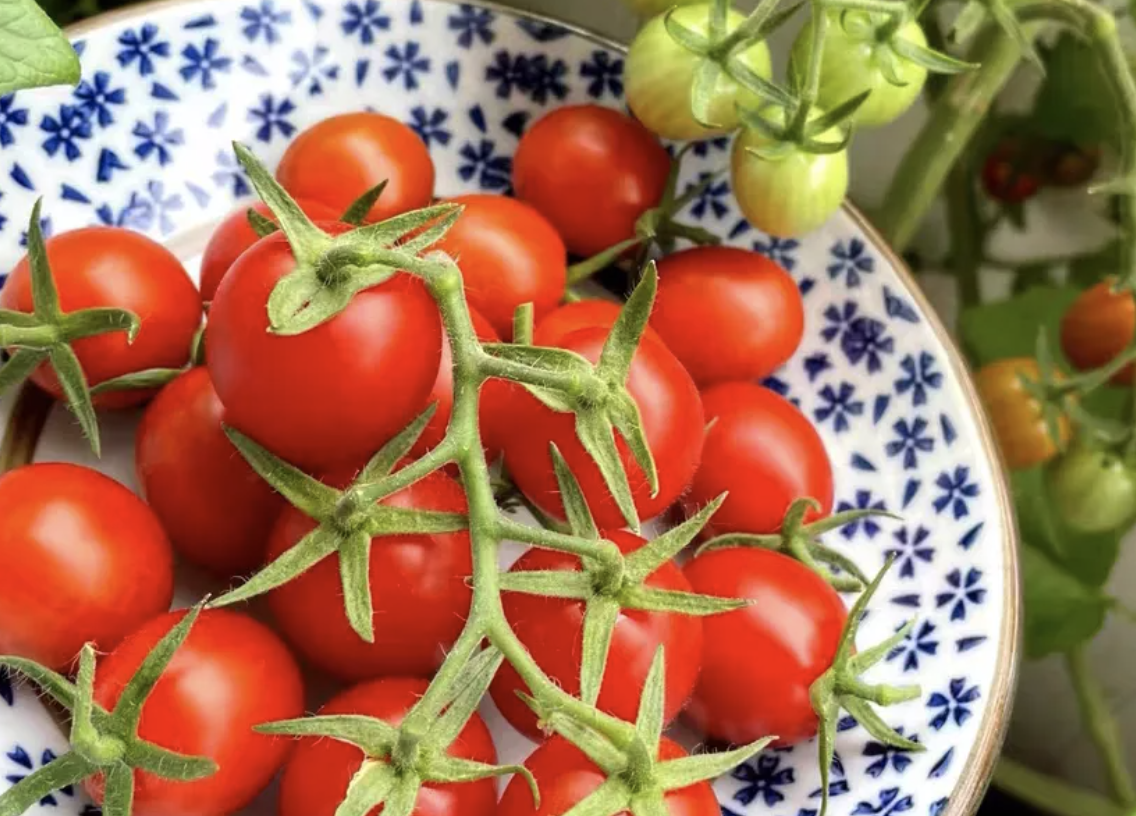
What causes black stem disease in tomatoes, and what treatments or fungicides are effective?
Tomato growers often find black stems a major headache—but don’t worry. The causes vary depending on where the blackening occurs, and so do the treatments. 1.
-

What is the best and most cost-effective substrate for growing Phalaenopsis orchids at home?
Friends who grow Phalaenopsis orchids surely know: "To grow orchids, first grow the roots; to grow the roots, rely on the substrate." Unlike growing pothos or succulents in ordinary potting soil, Phalaenopsis is an epiphytic orchid with aerial roots that need to breathe air. If you use sticky garden soil, the roots will surely rot within half a month. So when choosing a substrate, never be careless. You have to pick those that are breathable, water-retentive yet not root-suffocating, and also cost-effective. After all, we are growing flowers at home, and there is no need to spend a lot of money on fancy but impractical things.
-

Causes of Phalaenopsis Soft Rot and the Most Effective Treatment Methods
Many flower enthusiasts have experienced this: a perfectly healthy Phalaenopsis suddenly develops soft, sticky leaves, or even oozes pus, which is heartbreaking. So what exactly causes this troublesome soft rot? And what medication can treat it? Why do Phalaenopsis get soft rot? The main culprit is a bacterium called Erwinia, which particularly loves damp and stuffy environments.
-

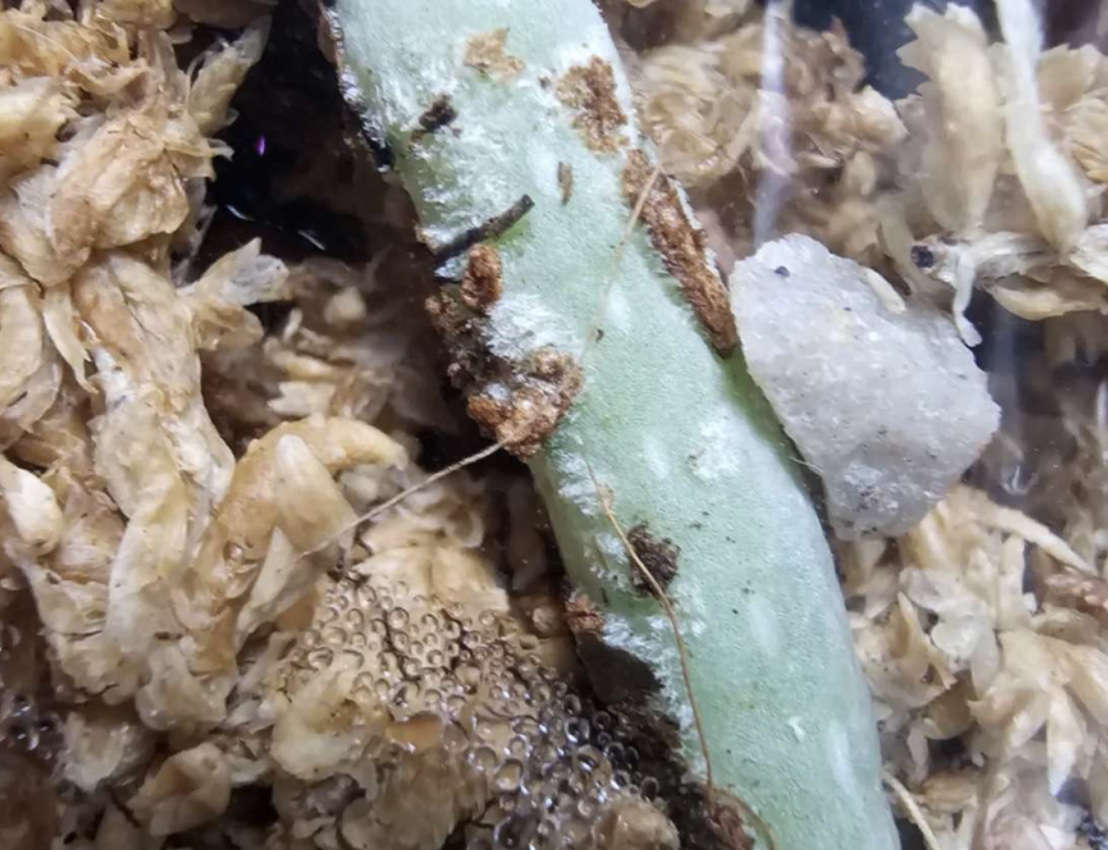
Can a Phalaenopsis with stem rot still be saved? Detailed explanation of the most effective treatment
Can a Phalaenopsis survive stem rot? Actually, as long as it is discovered early and treated promptly, there is a good chance it can be saved. But if you wait until the entire stem has rotted through, then even a miracle worker cannot save it. So the key is "early detection, early action." How do you tell if it is stem rot? The most obvious sign is brown spots appearing on the stem
-

What plants to grow indoors in summer to repel mosquitoes? Recommendations for easy-care, effective flowers and herbs
In summer, mosquitoes buzz around everywhere. Lighting mosquito coils feels unsafe, and spraying floral water worries you about the strong smell? Actually, growing a few pots of "natural mosquito coils" at home works great! Which plants are both easy to grow and can keep mosquitoes out? When it comes to the champion of pest repellent plants, mint definitely ranks first! This stuff is simply a blessing for lazy people, as long as
-

The Fastest and Most Effective Flowers for Absorbing Formaldehyde, Recommended Indoor Air-Purifying Potted Plants
In today's pursuit of a healthy and comfortable life, indoor air quality has become a focus of attention. As a common indoor pollutant, formaldehyde is extremely harmful to human health. Many people place green plants at home to purify the air, but exactly which flowers absorb formaldehyde the fastest and most effectively? And which indoor potted plants can purify the air
条件筛选