Morphological Characteristics and Damage Symptom Identification of the Cotton Aphid on Flowers
Among the common insect pests of flowers, the cotton aphid causes very serious damage. Let us take a look below at the harmful habits and morphology of the cotton aphid.
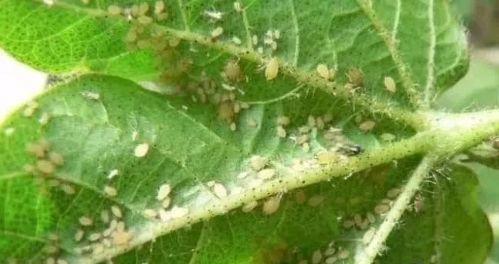
Damage habits: The cotton aphid is a very common aphid on general herbaceous flowers, occurring on plant buds, young leaves, or flower buds and corollas, and because it reproduces rapidly, it often gathers in groups. The nymph has four instars; at 25°C, a wingless viviparous aphid completes one generation of development in only 5 days, while at low winter temperatures on the plains it takes about two weeks to complete one generation. Dry weather is suitable for aphid growth and reproduction, and it is more common in spring and autumn; in greenhouses, because of the shelter, outbreaks are often more severe than in the open field. It damages roses, gerbera, lilies, carnations, pink, hibiscus, and others, and is also a major pest of cruciferous vegetables, legumes, and cucurbits; in addition to direct feeding, it also transmits viral diseases.
Morphology: The wingless viviparous adult is 1.5 mm long, and the body color varies with host and season, and may be dark green, green, or pale yellow. The cornicles are black, and the cauda is bluntly rounded at the tip and narrow in the middle, with 5-7 hairs. The winged viviparous adult has a black body, with 3-7 secondary sensoria arranged in a row on the third antennal segment; the fourth and fifth segments have no secondary sensoria.